Sons of the Pioneers
The Sons of the Pioneers are an iconic American Western music group whose harmonies and songs have left an indelible mark on radio, film, and popular culture. Known for their distinctive vocal arrangements and evocative Western themes, the group became one of the most influential ensembles in country and Western music during the 20th century.
Early Formation and Background
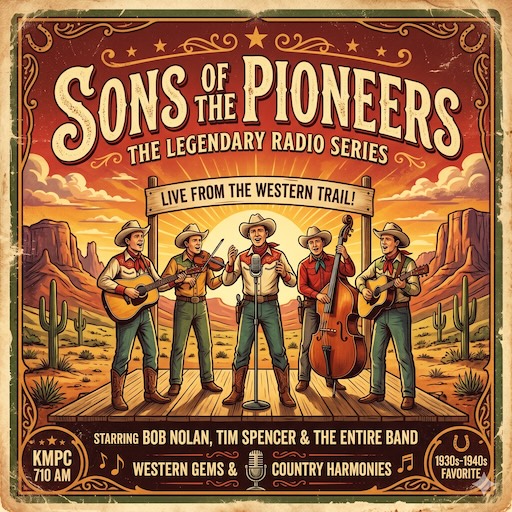
The Sons of the Pioneers were founded in 1933 in Chico, California, by Leonard Slye, who would later gain fame as the movie star Roy Rogers. Alongside Slye, the original lineup included Bob Nolan, Tim Spencer, and Hugh Farr, each of whom brought unique musical talent and harmony skills to the ensemble. Their early focus was on blending Western-themed lyrics with sophisticated vocal harmonies, creating a sound that was both authentic and polished. The group’s formation coincided with the growing popularity of radio as a medium for music, which allowed the Sons of the Pioneers to reach audiences far beyond California. Their repertoire included songs celebrating the landscapes, values, and folklore of the American West, establishing them as ambassadors of Western music. By combining rich vocal textures with original compositions, the ensemble differentiated itself from traditional cowboy singing groups of the era.
Radio and Early Career
From the outset, the Sons of the Pioneers embraced radio as a key platform for their music. During the 1930s and 1940s, they appeared on various radio programs, bringing Western harmonies to a national audience. Their performances were characterized by crisp vocal blending, clear diction, and authentic Western storytelling, all of which helped solidify their reputation. The group’s original compositions, including classics such as Tumbling Tumbleweeds and Cool Water, became signature songs that resonated with listeners. Bob Nolan, one of the founding members, emerged as a prolific songwriter, contributing significantly to the group’s enduring catalog. Radio exposure not only increased the group’s fan base but also facilitated opportunities in Hollywood, where their music would become intertwined with the cinematic Western genre.
Film Career and Collaborations
By the late 1930s, the Sons of the Pioneers had transitioned into film, often appearing in Western movies as musical entertainers and contributing to soundtracks. They frequently collaborated with Roy Rogers, whose association with the group helped elevate their visibility and integrate their music into mainstream entertainment. Their cinematic appearances reinforced the visual and cultural imagery of the American West, marrying their harmonious sound with cowboy heroism on screen. The group’s film work allowed them to experiment with musical arrangements and expand their repertoire. Their songs were often featured prominently in the narrative, enhancing dramatic tension or providing thematic continuity. This exposure in multiple media—radio, film, and live performance—cemented their status as the quintessential Western music group.
Legacy and Influence
The Sons of the Pioneers have left a lasting impact on American music, influencing countless artists in country, Western, and folk genres. Their pioneering approach to harmonies, vocal arrangement, and thematic songwriting set a high standard for Western ensembles. Many of their recordings remain staples of the genre, and their songs continue to be covered by contemporary musicians. Over the decades, the group has undergone numerous lineup changes, yet the Sons of the Pioneers have maintained the musical integrity and spirit established by the founders. Their combination of lyrical storytelling, musical innovation, and cultural resonance has ensured their place as icons of Western music and entertainment.
Works and Appearances
Radio
- Various programs – 1930s–1940s – Vocal performances and promotion of Western music
Film
- Numerous Western films – 1930s–1940s – Featured as musical performers, often alongside Roy Rogers
- Contributed original songs to film soundtracks, including Tumbling Tumbleweeds and Cool Water
Television
- Guest appearances on Western-themed programs – 1950s–1960s – Showcasing harmonies and repertoire
Other Media
- Recordings of Western classics – 1930s–present – Sold nationally, contributing to the popularization of Western music
- Influence on subsequent Western and country music artists through recordings and live performances