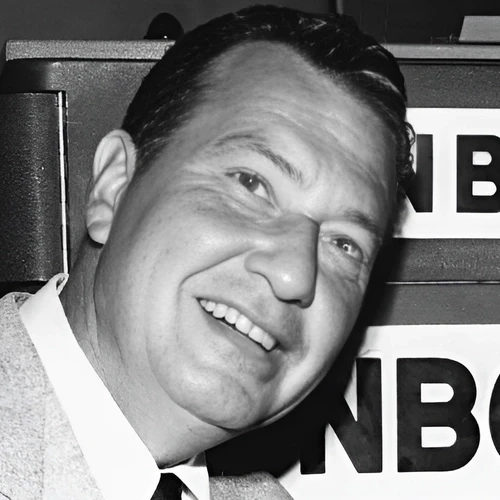
In the vibrant landscape of mid-20th century entertainment, few personalities embodied the spirit of radio comedy quite like Phil Harris. A bandleader, actor, and comedian, Harris transformed from a musical performer into one of the most beloved radio personalities of his era, captivating audiences with his distinctive Southern drawl and self-deprecating humor.
Southern Roots and Musical Beginnings
Born Wonga Philip Harris on June 24, 1904, in Linton, Indiana, Harris emerged from a family deeply rooted in entertainment. His parents were circus performers, and his father, a tent bandleader, introduced young Phil to music by giving him his first job as a circus band drummer. This early exposure would set the stage for a remarkable career that spanned multiple entertainment mediums. Harris's musical journey began in earnest in the mid-1920s when he started playing drums in big band orchestras. By the late 1920s, he had formed an orchestra with Carol Lofner, securing a long engagement at the Mark Hopkins Hotel in San Francisco. During this period, Harris and Lofner recorded swing music for various labels, establishing Harris's reputation as a talented musician.
The Jack Benny Show and Radio Stardom
In 1936, Harris's career took a transformative turn when he became the musical director of The Jell-O Program Starring Jack Benny. What began as a musical role quickly evolved when Harris demonstrated a remarkable talent for comedic one-liners. He began portraying a character that would become legendary: a hip, hard-drinking Southerner with an outsized personality who gave everyone nicknames, most famously calling Jack Benny "Jackson". His signature song, "That's What I Like About the South," became emblematic of his radio persona. Harris's comedic style was unique - he played a character that was simultaneously boastful and endearing, with a good nature that always superseded his ego. His vocal recordings often featured comic "talking blues" that were considered precursors to rap music.
Expanding Horizons: Radio, Film, and Voice Acting
Beyond his work with Jack Benny, Harris and his wife Alice Faye co-hosted their own radio program, The Phil Harris-Alice Faye Show, which ran from 1946 to 1954. On this show, Harris played a vain, stumbling husband to Faye's sarcastic but loving wife, further cementing his comedic reputation. Harris's talents extended beyond radio. He appeared in numerous films and became a renowned voice actor, most memorably providing voices for Disney animated classics. His most iconic roles included Baloo in The Jungle Book (1967), Thomas O'Malley in The Aristocats (1970), and Little John in Robin Hood (1973).
Personal Life and Legacy
Married twice, Harris's second marriage to singer and actress Alice Faye lasted 54 years until his death. He was known off-air as a soft-spoken, modest man - a stark contrast to his boisterous radio persona. A lifelong friend of Bing Crosby, Harris remained active in entertainment well into his later years. Harris passed away on August 11, 1995, in Rancho Mirage, California. His legacy was celebrated not just in entertainment, but in his hometown of Linton, Indiana, where he established scholarships and continued to support local initiatives.
Works and Appearances
Radio
- The Jell-O Program Starring Jack Benny (1936-1952)
- The Phil Harris-Alice Faye Show (1946-1954)
Film
- The Jungle Book (1967) - Baloo
- The Aristocats (1970) - Thomas O'Malley
- Robin Hood (1973) - Little John
- Rock-a-Doodle (1991) - Patou
Television
- The Dean Martin Show (1966-1970)
- Fantasy Island (1978)
- The Love Boat (1980)
Recordings
- "The Thing" (1950) - Million-selling novelty hit
- "That's What I Like About the South"
- "Hambone" (1952)
Phil Harris was more than just a radio personality; he was a pioneering entertainer who helped define the golden age of radio comedy, leaving an indelible mark on American popular culture.