In the golden age of radio broadcasting, few voices were as distinctive and versatile as Maurice Tarplin. A master of vocal performance, Tarplin carved out a remarkable career that spanned multiple genres and mediums, becoming a quintessential figure in mid-20th century American entertainment. From dramatic narrations to character roles, his voice brought countless stories to life, captivating listeners across the nation.
Early Life and Roots in Performance
Born on April 1, 1911, in Boston, Massachusetts, Maurice Tarplin showed an early aptitude for performance. Growing up in the vibrant cultural landscape of New England, he developed the vocal skills that would later define his professional career. While details of his early years remain somewhat sparse, it was clear that Tarplin possessed a unique vocal talent that would set him apart in the competitive world of radio entertainment. His initial forays into performance demonstrated a remarkable range and an ability to inhabit diverse characters. Tarplin's voice was described as "eerily sardonic," a quality that would become his trademark in radio drama. This distinctive vocal characteristic would prove instrumental in his success across various radio programs and dramatic productions.
The Golden Age of Radio Performance
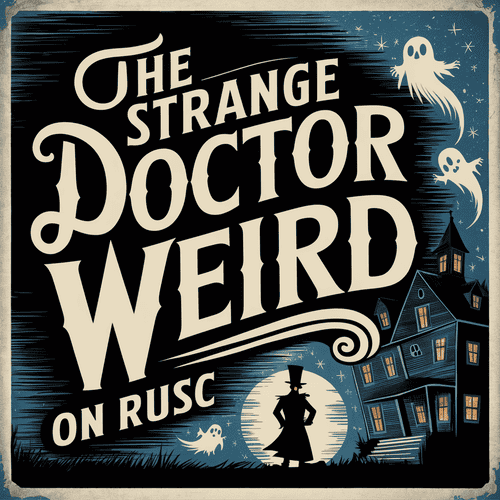
Tarplin quickly established himself as a versatile radio actor, becoming a familiar voice to audiences across the United States. His repertoire was impressively broad, featuring roles in numerous popular radio shows. He was particularly renowned for his performances as Dr. Weird and Inspector Faraday, characters that showcased his ability to create memorable and compelling vocal personas. His radio work extended far beyond these signature roles. Tarplin appeared in a wide array of programs, including soap operas, dramatic series, and even historical recreations. Notably, he portrayed Winston Churchill in some productions, demonstrating his capacity for historical impersonation. He was a regular presence on shows like Myrt and Marge, Tom Corbett, Space Cadet, and The Guiding Light, where he played roles such as Barnie Belzer and Los Angeles District Attorney Richard Hanley.
Expanding into Writing and Other Media
Beyond his radio performances, Tarplin was also a published novelist. In June 1948, he published Seven Casks of Death in Dime Mystery Magazine, revealing his creative talents extended beyond vocal performance. This literary endeavor showcased his storytelling abilities and demonstrated his multifaceted artistic capabilities. As the radio landscape evolved, Tarplin adapted seamlessly. In later years, he transitioned to voiceover work for television commercials and contributed to English language soundtracks for foreign films. This adaptability highlighted his professional versatility and continued relevance in changing media environments.
Personal Life and Legacy
Personally, Tarplin led a life marked by professional dedication and personal connections. He was married twice, first to Catharine Selby Flygare in 1933, and later to Grace Tarplin. The couple had two sons, reflecting a stable family life alongside his dynamic professional career. Maurice Tarplin passed away on May 12, 1975, at the age of 64, leaving behind a rich legacy in radio performance. His contributions to the medium spanned multiple genres and styles, making him a quintessential figure of mid-century radio broadcasting.
Works and Appearances
Radio
- Dr. Weird - Lead character
- Inspector Faraday - Lead character
- Myrt and Marge - Barnie Belzer
- Tom Corbett, Space Cadet - Multiple episodes
- The Guiding Light - Richard Hanley
- Murder Clinic - Detective role
Writing
- Seven Casks of Death (Dime Mystery Magazine, June 1948)
Television and Film
- Various TV commercial voiceovers
- English language soundtrack work for foreign films
Maurice Tarplin's career exemplifies the artistry and versatility of radio performers during broadcasting's most dynamic era, ensuring his place in the annals of American entertainment history.