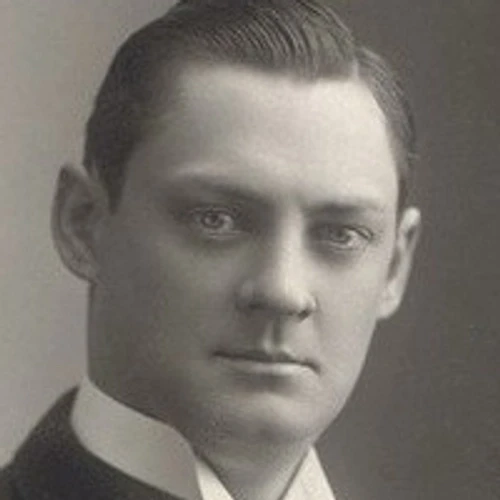
Lionel Barrymore was far more than just a radio personality - he was a renaissance man of early 20th-century entertainment, whose talents spanned acting, directing, composing, and broadcasting. A member of the legendary Barrymore theatrical dynasty, he became an iconic figure whose voice and performances captivated audiences across multiple media platforms.
The Barrymore Legacy and Early Years
Born Lionel Herbert Blyth on April 28, 1878, in Philadelphia, Lionel was destined for the stage from birth. He was the son of actors Maurice Barrymore and Georgiana Drew, and brother to the equally famous John and Ethel Barrymore . Despite being born into a theatrical family, Lionel was initially reluctant to follow in their footsteps. He confessed, "I didn't want to act. I wanted to paint or draw. The theater was merely a kind of in-law of mine I had to live with" . Ironically, his reluctance did not prevent him from becoming a celebrated performer. He made his stage debut in 1893 at just 15 years old, appearing with his grandmother in a production. Throughout his early career, he oscillated between his passion for art and the inevitable pull of performance, appearing in numerous stage productions and gradually establishing himself as a respected character actor .
Radio and Broadcast Achievements
Lionel Barrymore's radio career was particularly distinguished by his annual broadcasts of A Christmas Carol, which became a beloved tradition during his later years . He was also well-known for his role as Dr. Leonard Gillespie in a popular radio series titled The Story of Dr. Kildare, which expanded upon his film work in the Dr. Kildare movie franchise . Beyond acting, Barrymore was a talented composer who created works specifically for radio. He composed the theme song for at least one radio program, demonstrating his multifaceted artistic abilities . His musical compositions ranged from piano pieces to large-scale orchestral works, with some even being performed within his film and radio productions.
Transition to Sound and Screen
With the advent of sound films in 1927, Barrymore's stage career effectively ended, but his performance abilities found new expression in cinema and radio . His stage experience proved invaluable in delivering dialogue in sound films, and he quickly became a prominent actor in the new medium. During the 1930s and 1940s, he became typecast as a lovable but grouchy elderly character, appearing in numerous films that solidified his public persona . His radio work complemented these screen performances, allowing him to reach an even broader audience.
Personal Life and Diverse Talents
Beyond entertainment, Barrymore was a man of remarkable diversity. He was an accomplished artist, maintaining a studio and creating etchings that were featured in prestigious collections . He was also a published novelist, writing Mr. Cantonwine: A Moral Tale in 1953, and a passionate horticulturalist who grew roses on his Chatsworth Ranch .
Legacy and Impact
Lionel Barrymore's impact on entertainment was profound. He won an Academy Award, became a cultural icon, and was part of the most famous theatrical family in American history. His ability to excel across multiple artistic disciplines - acting, music, visual art, and writing - made him a truly unique figure of his era.
Works and Appearances
Radio
- The Story of Dr. Kildare (Radio Series)
- Annual A Christmas Carol Broadcasts
Film
- Dr. Kildare Series (Multiple Films)
- It's a Wonderful Life (1946)
- Numerous character roles from 1920-1948
Stage
- Various Broadway productions (1893-1927)
- Laugh, Clown, Laugh (1923)
Musical Compositions
- "Tableau Russe"
- "Scherzo Grotesque"
- "Song Without Words"
- "In Memoriam" (composed after brother John's death)
Literary Work
- Mr. Cantonwine: A Moral Tale (1953)
Lionel Barrymore passed away on November 15, 1954, leaving behind a legacy that spanned multiple artistic domains, embodying the creative spirit of early 20th-century American entertainment.