Ken Niles
In the vibrant landscape of early 20th-century broadcasting, Ken Niles emerged as a quintessential radio personality whose versatile talents shaped the entertainment industry during radio's golden era. From announcer to actor, Niles became a familiar voice that guided listeners through countless programs and brought characters to life with his distinctive style.
Early Life and Roots in Broadcasting
Born on December 9, 1906, in Livingston, Montana, Ken Niles discovered his calling in the emerging world of radio broadcasting. Growing up during a transformative period in American media, Niles was perfectly positioned to become part of the revolutionary medium that would captivate millions. His entry into radio came in the late 1920s, specifically in Seattle, Washington, where he began his remarkable journey. In 1928, Niles launched an innovative series called Theater of the Mind, which demonstrated his early creativity and understanding of radio's narrative potential. This pioneering program showcased his ability to create immersive audio experiences that would become hallmarks of the radio entertainment industry.
Radio Announcer and Comedy Collaborator
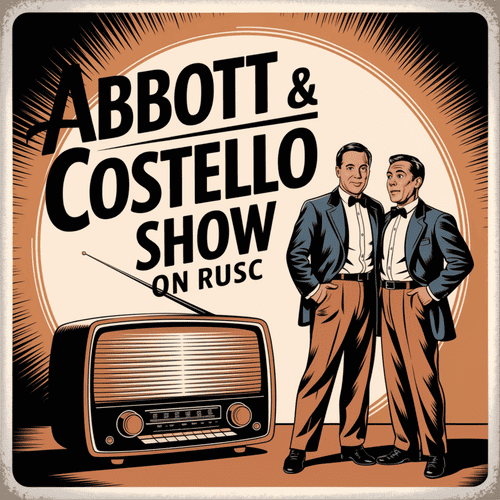
Niles quickly established himself as more than just a standard announcer. He became a key component of comedy series, most notably working alongside prominent performers of the era. His most significant collaboration was with Abbott and Costello in their radio series from 1933 to 1935, where he served as a commercial announcer and comedic foil. His comedic timing was particularly evident in skits where he was frequently paired with performers, often playing the fictitious husband to a comedic "Mrs. Niles" character. This ability to create humor through vocal performance made him a beloved figure in radio comedy.
Expanding into Film and Television
While radio remained his primary medium, Ken Niles successfully transitioned into film and television. His filmography includes notable appearances in movies like Out of the Past (1947), where he played the murdered lawyer Leonard Eels, and various other films throughout the 1930s and 1940s. Television also welcomed Niles, with appearances on shows like The Donna Reed Show and The Bob Hope Show, demonstrating his adaptability across different entertainment platforms.
Legacy and Recognition
Ken Niles' contributions to broadcasting were formally recognized when he received a star on the Hollywood Walk of Fame. Remarkably, he shared this honor with his brother, making them the first sibling pair to be so honored. His star, located at 6711 Hollywood Boulevard in the Radio section, was dedicated on February 8, 1960. Throughout his career, Niles embodied the spirit of early radio—versatile, engaging, and capable of creating entire worlds through sound. His work bridged comedy, drama, and commercial entertainment, making him a quintessential figure of his era.
Conclusion
Ken Niles represents a pivotal generation of broadcasters who transformed radio from a technological novelty into a sophisticated entertainment medium. His legacy extends beyond his own performances, influencing generations of radio and media professionals who followed.
Works and Appearances
Radio
- Theater of the Mind (1928) - Creator and Performer
- Abbott and Costello Show (1933-1935) - Commercial Announcer
- The Amazing Mrs. Danberry - Announcer
Film
- Hollywood Hotel (1937)
- Out of the Past (1947) - Leonard Eels
- Magic Town (1947) - Reporter
Television
- The Donna Reed Show (1962) - Professor Earnshaw
- The Bob Hope Show (1968) - Final Television Appearance
Ken Niles passed away on October 31, 1988, in Santa Monica, California, leaving behind a rich legacy in American broadcasting.
Heard in