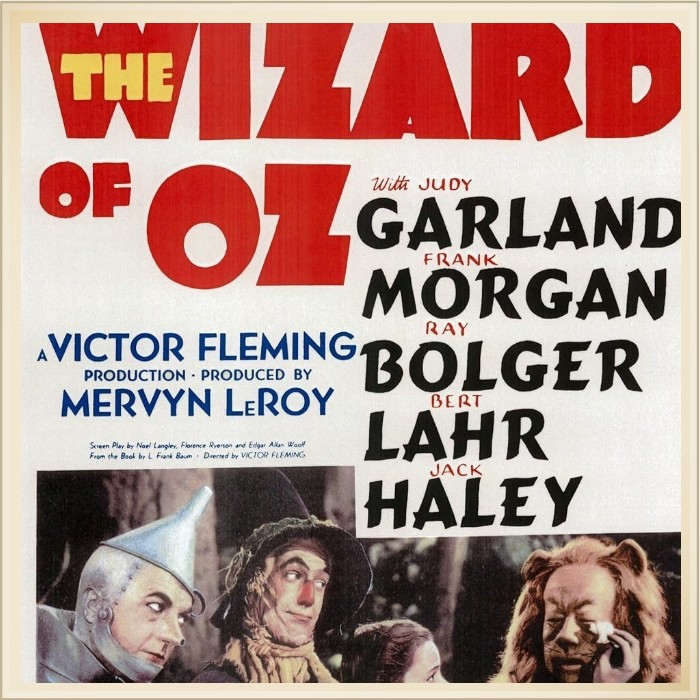
This film not only marked a significant technical achievement with its vibrant use of Technicolor but also left an indelible mark on popular culture. From Judy Garland's unforgettable rendition of "Somewhere Over the Rainbow" to the whimsical characters that populated the Land of Oz, the film has continued to inspire generations. Interestingly, its journey into the hearts of the audience began even before its official release with a special preview through the "Good News" radio series.
On June 29, 1939, the airwaves were treated to a unique experience as the Good News radio series dedicated its final episode of the season to MGM's upcoming masterpiece. This special broadcast not only piqued the public's interest but also showcased some of the film's most beloved songs for the first time.
Among the highlights of this vibrant broadcast was Meredith Willson and his orchestra, who brought the film's musical score to life. Listeners could hear the captivating notes that would later become synonymous with the story’s magic. The host, Robert Young, welcomed stars including Judy Garland, Ray Bolger, and Bert Lahr into the studio, allowing listeners a glimpse behind the curtain of Hollywood's biggest stars.
An especially magical moment occurred when composers Harold Arlen and E.Y. Harburg introduced young Judy Garland to the now-iconic "Somewhere Over the Rainbow." The joyful interaction, coupled with Garland’s youthful enthusiasm, gave audiences something to anticipate and cherish. Adding to the charm was the appearance of Fred Stone, a veteran performer connected to the original 1904 stage production. His presence provided a delightful link to the early origins of The Wizard of Oz, inspiring fond memories and amusing anecdotes shared with the cast.
Years later, on December 25, 1950, The Wizard of Oz continued its magical journey through another medium with a special adaptation by Lux Radio Theater. This Christmas Day event saw Judy Garland reprising her role as Dorothy Gale, enchanting listeners once again with her remarkable vocal talents and warm presence.
The radio adaptation carefully captured the wonder and whimsy of L. Frank Baum's original 1900 novel. From Dorothy’s encounters with the colorful Munchkins to her adventures alongside the endearing Scarecrow, the heart-seeking Tin Woodsman, and the Cowardly Lion, the story unfolded in a way that drew listeners deeper into the enchanting narrative.
The beauty of this Lux Radio Theater production lay in its ability to evoke vivid imagery in the minds of its audience. Without the visuals of the film, listeners were invited to use their imaginations to conjure images of the fantastical Land of Oz, with its vibrant landscapes, the menacing figure of the Wicked Witch, and the mystery surrounding the Wizard himself. The production maintained a rich storytelling atmosphere that was palpable even without visual elements, drawing in audiences of all ages.
Both the Good News radio preview and the Lux Radio Theater adaptation illustrate how The Wizard of Oz has transcended time and technology, adapting itself across various media while preserving its core enchantment. The enduring appeal of this classic story lies not just in its colorful characters and memorable songs, but also in its universal themes of friendship, courage, and the quest for home.
As we celebrate 86 years of The Wizard of Oz, it’s a reminder of the power of storytelling. Each generation discovers its magic anew—be it through the innovative techniques of 1939 or the timeless radio adaptations of later years. The film serves as an anchor for nostalgia, a touchstone for imagination, and a testament to the lasting impact of well-told tales.
In the words of Glinda the Good Witch, "You had the power all along, my dear." It’s this realization that resonates so deeply, reminding us that sometimes what we seek is already within us as we celebrate the magic of The Wizard of Oz for years to come.