While the official surrender of Japan is commemorated on August 15, the formal signing of the Japanese Instrument of Surrender took place on board the battleship USS Missouri in Tokyo Bay on September 2, 1945. On that day, President Harry S. Truman declared September 2 to be the official V-J Day, marking a historic conclusion to a conflict that had engulfed the globe for nearly six years.
The end of World War II was a moment of both relief and reflection. As the dust settled, societies worldwide began to grapple with the consequences of the war and the profound changes that would shape the post-war world. In this context, one cannot overlook the powerful narratives that emerged to capture the complexities of the era—stories that sought to address the human experience in light of the rapidly evolving geopolitical landscape and technological advancements.
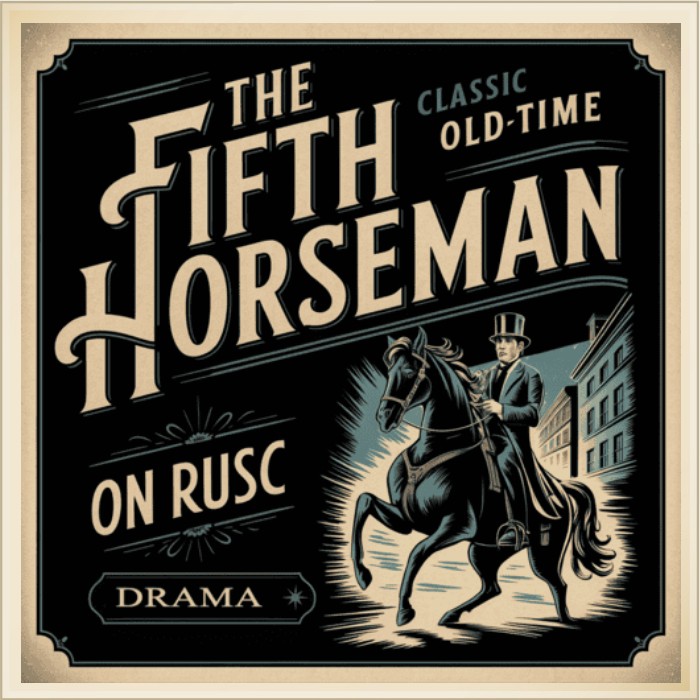
Among these narratives is the short-lived yet impactful radio drama series, The Fifth Horseman, which aired in 1946. Produced shortly after the atomic bombings of Hiroshima and Nagasaki, this series aimed to explore the deeply ethical and moral questions raised by the advent of nuclear warfare. The bombings, which took place in August 1945, were pivotal moments in history that not only contributed to Japan's surrender but also indelibly altered the fabric of human society.
The Fifth Horseman sought to engage audiences in a conversation about the ramifications of such monumental events. Set against the backdrop of a recovering world, it delved into the fears and anxieties that emerged in the aftermath of the atomic age, addressing the delicate balance between technological advancement and the moral responsibilities that accompany it.
The title of the series references the biblical imagery of the Four Horsemen of the Apocalypse, with the Fifth Horseman serving as a metaphor for the nuclear threat facing humanity. This powerful symbol portrayed the potential for destruction inherent in atomic weapons, a looming specter that represented not only the devastation they could cause but also the moral dilemmas that they presented in the context of warfare. As audiences tuned in, they confronted the complex realities of living in a world where such powerful and dangerous technology existed alongside aspirations for peace.
Though The Fifth Horseman was short-lived, its impact on radio drama and storytelling is still recognized today. As one of the earliest exploratory works on the destructive potential of nuclear technology, its legacy endures in the way it paved the path for critical examinations of conflict, accountability, and the human condition. The fears voiced and questions raised in the series are every bit as pertinent today, as the globe continues to confront the complexities of an ever-evolving world.
As we commemorate VJ Day and reflect on its significance, it is essential to remember the artistic works that emerged from that turbulent era. These narratives serve not only as historical records but also as poignant reminders of our collective responsibilities. In honoring the sacrifices made during World War II, we also engage with the lessons imparted to us through the stories of those who sought to understand and navigate the era’s challenges.
The past continues to inform our present, and the reminders from both VJ Day and The Fifth Horseman stand clear: the choices we make today will shape the world we leave for future generations.
We have all 8 episodes of the series and will be adding them throughout the week.