Gleason and Armstrong, a beloved old-time radio comedy series, may have had a short run from 1931 to 1932, but its impact on the world of radio comedy was nothing short of remarkable.
The Unstoppable Duo
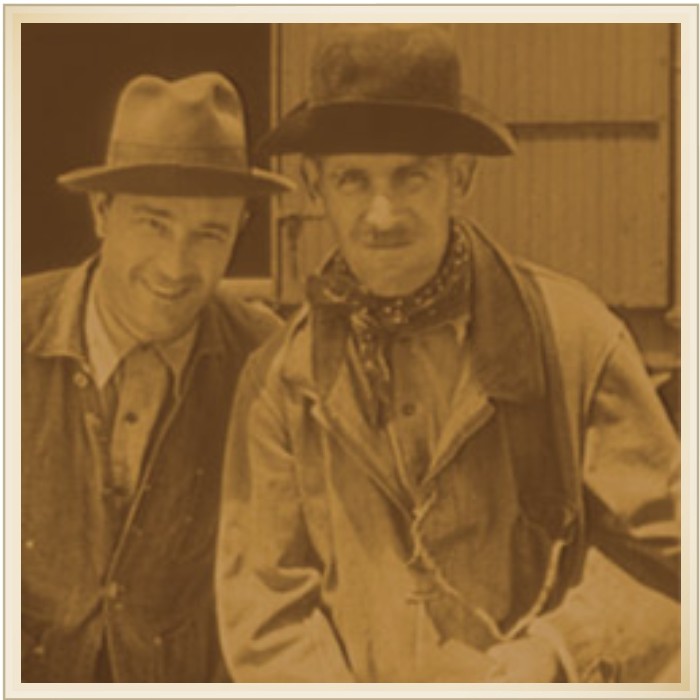
At the heart of the show's success were its titular stars, James Gleason and Robert Armstrong. Both veterans of vaudeville and the silver screen, they brought a wealth of experience and undeniable chemistry to the microphone. Gleason, with his gruff exterior and heart of gold, often spearheaded the pair's misadventures, concocting wild schemes that inevitably entangled his more level-headed friend. Armstrong, as the voice of reason, provided the perfect counterbalance, his attempts to rein in Gleason's character leading to even more sidesplitting situations.
Their timing was impeccable, each actor intuitively knowing when to deliver a punchline or react to the other's antics. This synergy not only made Gleason and Armstrong a standout in the crowded field of early radio comedies but also set a high standard for future comedy series.
More Than Just Laughs
While comedy was undoubtedly the show's focal point, Gleason and Armstrong didn't shy away from incorporating elements of adventure and light mystery. One week, listeners might find the duo lost in a jungle; the next, they'd be evading gangsters in the big city. This variety kept audiences engaged, eager to tune in week after week to discover the pair's latest predicament.
Stars Aligning
Gleason and Armstrong wasn't just about its titular stars, though they were undoubtedly the main attraction. The series also featured a rotating cast of guest stars, including comedic legends George Burns, Gracie Allen, and Jack Benny. These appearances added extra sparkle to the show, showcasing the versatility of both the regular cast and their visitors.
A Lasting Impact
Despite its brief run, Gleason and Armstrong left an indelible mark on radio comedy. The show's influence can be seen in the many buddy comedies that followed in its footsteps, across radio, television, and film. The dynamic between Gleason and Armstrong, coupled with the show's blend of verbal and physical comedy, raised the bar for future comedy series.
Beyond the Airwaves
Both James Gleason and Robert Armstrong continued to thrive in their careers post-Gleason and Armstrong. Gleason earned an Academy Award nomination for Best Supporting Actor for his role in Here Comes Mr. Jordan (1941), while Armstrong became forever linked with the iconic film King Kong (1933), delivering the memorable line, "It was beauty killed the beast."
Preserving the Legacy
As with many early radio programs, preserving Gleason and Armstrong episodes has been a challenge. The scarcity of recordings has only heightened interest among old-time radio enthusiasts and historians. Though the show may be rarely heard today, its legacy endures, a testament to the power of comedy to bring people together, even in the toughest of times.
Conclusion
Gleason and Armstrong may have been a fleeting presence on the radio landscape, but its influence reverberates to this day. For those discovering the joys of old-time radio, this dynamic duo offers a captivating glimpse into an era when comedy was king, and laughter was the best medicine. Though the airwaves may be silent of their antics now, the spirit of Gleason and Armstrong lives on, a heartwarming reminder of comedy's ability to transcend time.
Happy listening!