I don't watch much TV these days, but I have to confess that I do rather enjoy a prison drama. I did my best to resist watching Prison Break, but I have to confess that on the recommendation of a good friend, I did watch it, and I have to say that series 1 of Prison Break was one of the most captivating TV series I've ever seen, alongside Rich Man, Poor Man, and Roots.
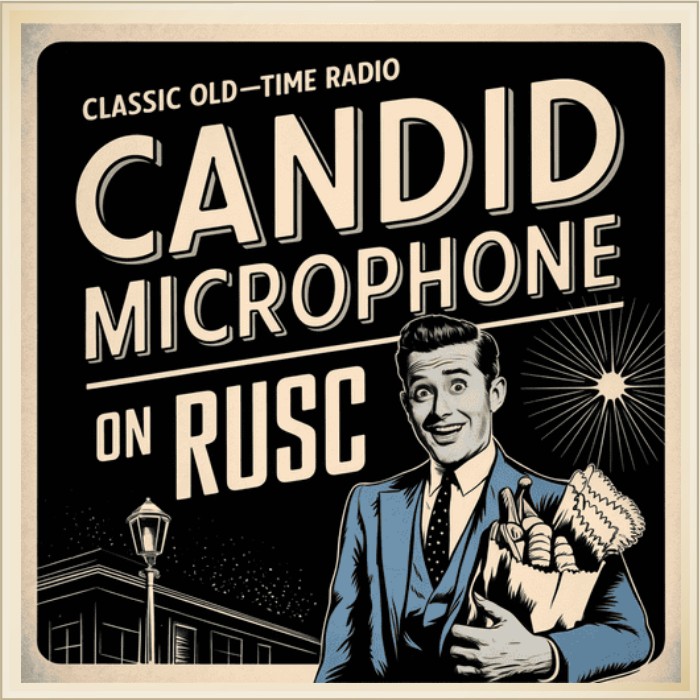
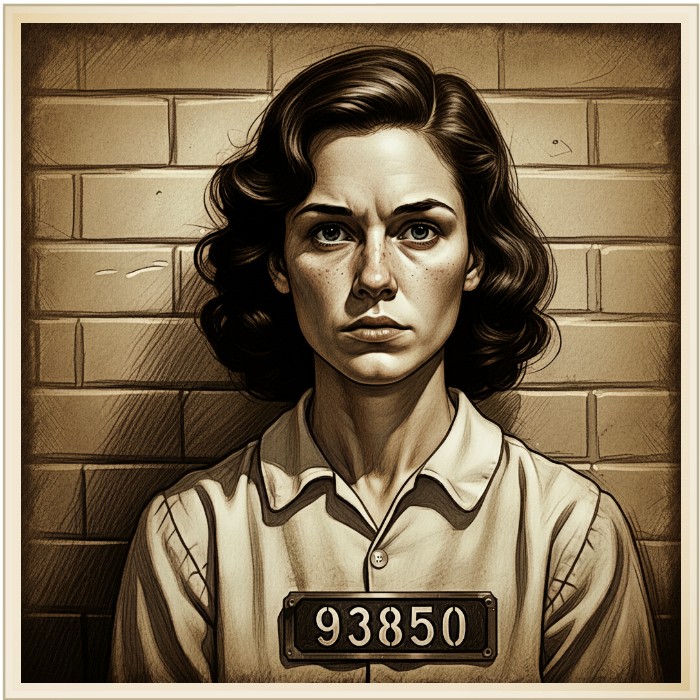
One of the things I loved about Caged, which stars the fabulous Eleanor Parker as the lead, is that it gives us a fascinating peek into how prison stories used to be told—quite the contrast to today's hit TV shows like Prison Break, Orange is the New Black, or Wentworth. It is the tale of Marie Allen, a young woman thrown into prison as an accessory to robbery. The story unfolds through gripping narration and heartfelt dialogue, painting a vivid picture of life inside a women’s correctional facility. Remember, this was all before the days of 65 inch high-definition OLED screens with 8k graphics. But even without the big screen, Caged masterfully conveys the harsh realities and emotional rollercoaster of incarceration through stellar voice acting and immersive sound effects.
When listening to Caged you'll notice how differently it handles explicit content. Back then, they relied on subtle hints and euphemisms for topics like violence and sexuality. Compare that to shows like Orange is the New Black, where nothing is left to the imagination (or so I'm told). Modern audiences are treated to unfiltered depictions of prison life, that bring every gritty detail to the forefront.
But let’s not sell Caged short! It tackles themes that are still central to today’s prison dramas:
- The soul-crushing effects of the prison system
- Corruption and power abuse within the walls
- The struggle to hang on to hope and identity
- The tough road to rejoining society after being released
However, there's a noticeable difference in tone. Caged leans towards a moral lesson, almost as if whispering a warning about the consequences of crime. Contrast that with the nuanced storytelling of modern shows, which often critique the system and humanize inmates from various backgrounds.
Speaking of diversity, here’s where Caged shows its age. Unlike the rich tapestry of characters in today’s TV series—full of racial, ethnic, and LGBTQ+ representation, Caged offers a simpler backdrop. It does touch on varied inmate stories but lacks the extensive character diversity that is now center-stage in all TV shows and movies.
Despite these differences, Caged remains a cornerstone in the evolution of prison drama. In many ways it laid the groundwork for the deep, character-driven narratives that audiences devour today, evolving alongside our changing social landscapes and media formats.
So, next time you dive into a modern TV series, remember the roots planted by radio trailblazers like Caged.
Happy listening,
//ff66a717ddc3aee0b5c7230c7d040f74.cdn.bubble.io/f1724233998577x957121471543254100/richtext_content.jpeg