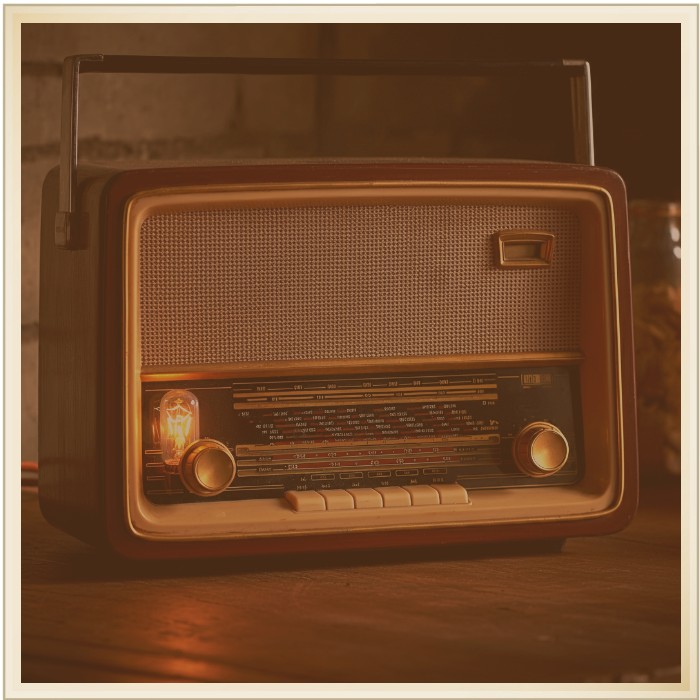
The radio, once a novelty, became the hearth around which families gathered, the source of news, entertainment, and a shared national experience. This golden age of radio transformed not just how Americans spent their leisure time, but how they understood their world and their place in it.
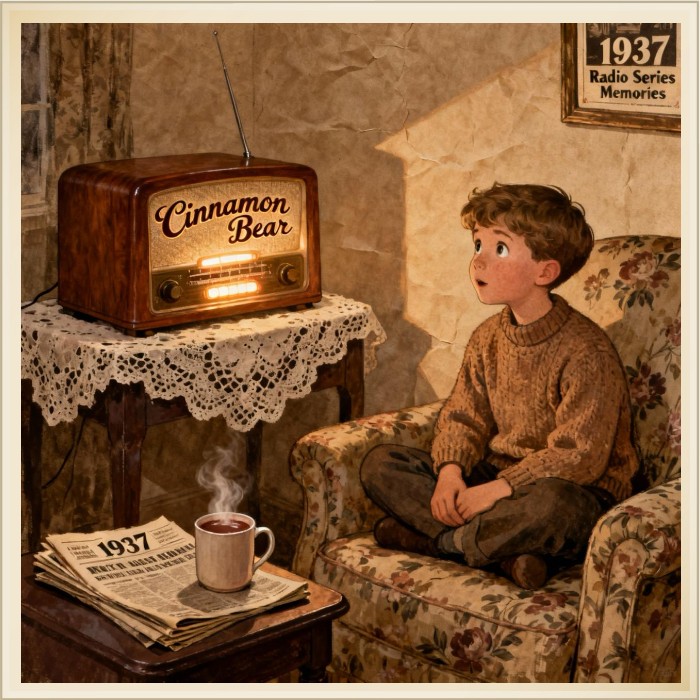
Radio wasn't just a box - it was a portal to another world, bringing families and communities together.
A day back then might begin with the family gathered around the radio, listening to the latest news and weather reports while enjoying breakfast. Housewives would then tune into their favorite soap operas while doing chores, hence the name "soap opera" due to the shows' sponsors.
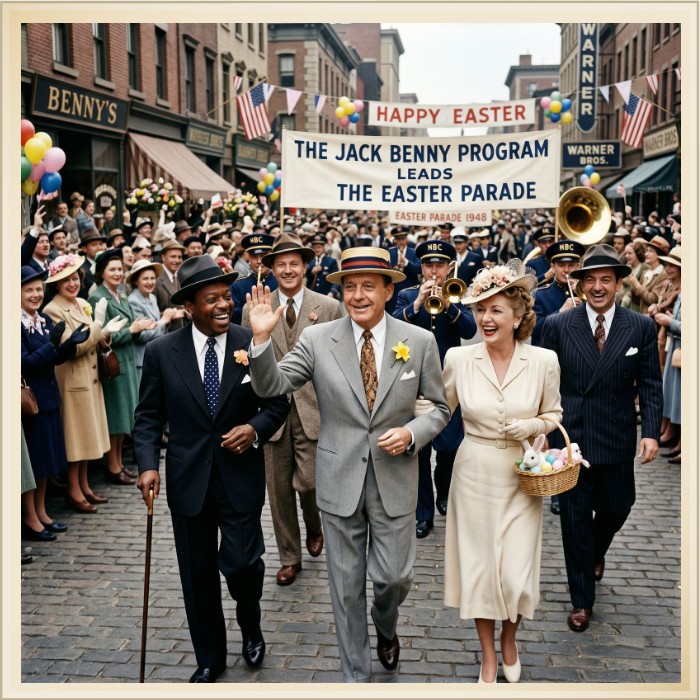
Children would rush home from school, eager to catch the thrilling adventures of The Lone Ranger or Little Orphan Annie." Evenings were reserved for family listening, with comedy shows like Fibber McGee and Molly and The Jack Benny Program filling the air with laughter.
One of the most beloved evening programs was the Lux Radio Theatre, which brought Hollywood movies to life on the airwaves. This shared listening experience created a sense of national unity, as millions of Americans tuned in to the same programs each week.
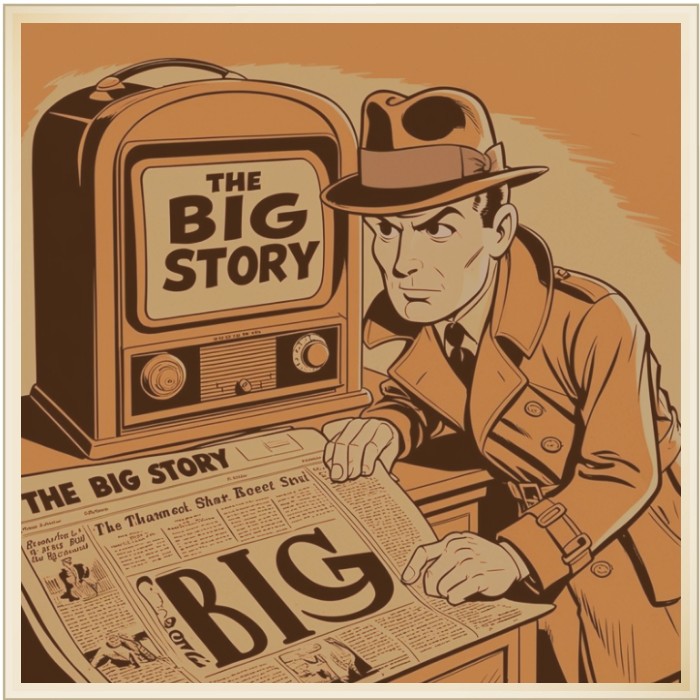
Radio also played a vital role in keeping Americans informed during times of crisis. President Franklin D. Roosevelt's "Fireside Chats" offered comfort and reassurance during the Great Depression, while gripping reports from war correspondents like Edward R. Murrow brought the realities of World War II into living rooms across the country.
As the day drew to a close, families would once again gather around the radio, sharing stories and laughter before finally turning in for the night. Radio was more than just entertainment; it was a companion, a source of information, and a unifying force in American life.
For us lucky folks who still understand the pull of listening to the radio - we can still enjoy these shows today.
Happy listening!