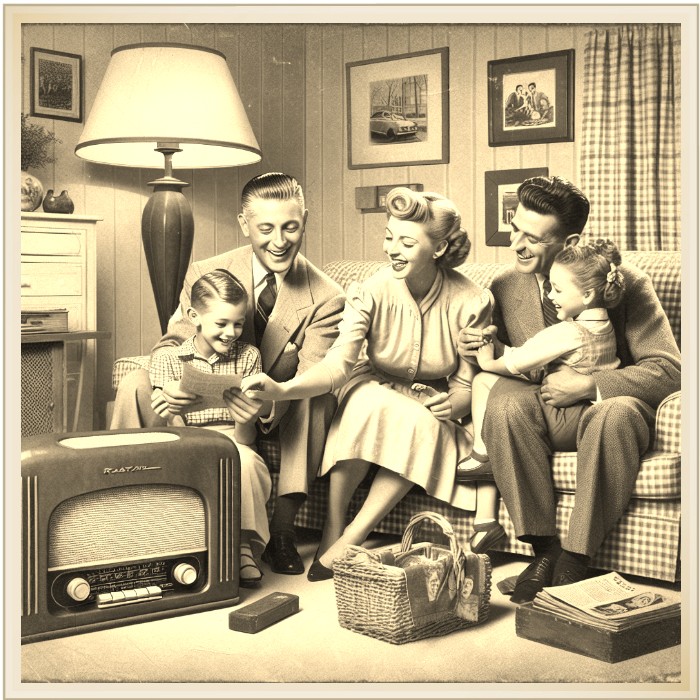
As I sat listening I couldn't help but be transported to a simpler time filled with charm and community spirit. Broadcast in the 1950s, this delightful adaptation reminded audiences of the joy of storytelling and the importance of connections. It got me thinking about how different life is today..
If you click on the link, you'll be able to listen to The Wonderful One-Hoss Shay, download it, or add it to your playlist to enjoy later.
As we reflect on that era, it’s hard not to feel a sense of nostalgia for a world that, in many ways, seemed more grounded and orderly. Let’s take a moment to compare life back then to today—celebrating the comforts of the past while acknowledging how things have changed.
Transportation: Then vs. Now
In the 1950s, travel was marked by the rise of the automobile as the primary means of transport. Families would pile into their cars for weekend getaways or leisurely Sunday drives, taking in the scenery and enjoying each other’s company. The open road was an adventure; journeys were as much about the experience as the destination.
Fast forward to today, and while we have an array of transportation options—cars, planes, high-speed trains—there’s something inherently different about how we travel now. Sure, we can reach distant places in record time, but the journey often feels rushed. We’re more concerned with getting from point A to point B than enjoying the ride itself. The charm of a leisurely drive is often lost in our fast-paced lives, where convenience sometimes trumps connection.
Community and Communication
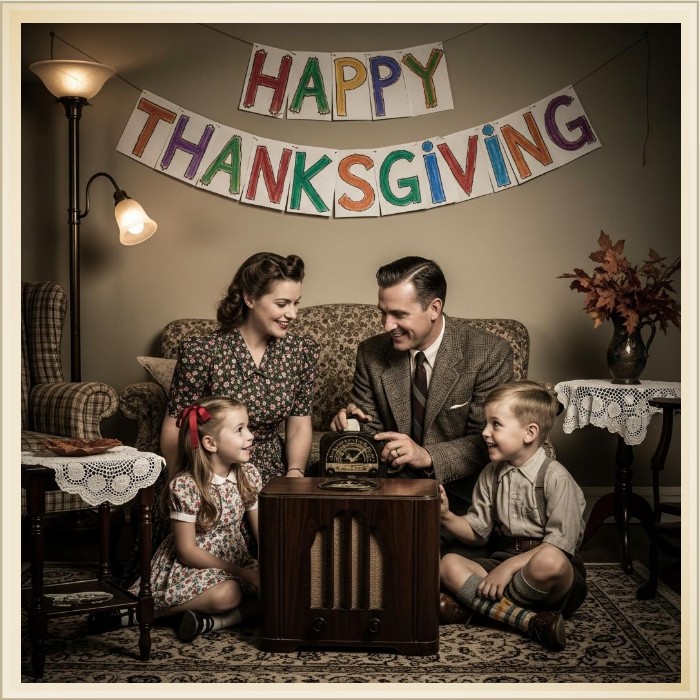
Back in the 1950s, community gatherings were the heartbeat of everyday life. Neighbors knew each other by name, and conversations flowed easily over backyard fences or at local events. Radio shows like "The Wonderful One-Horse Shay" brought families together around the wireless set, creating a shared experience that fostered connection and discussion.
Today, while technology has bridged distances and allowed us to connect with people worldwide, it has also created a sense of distance closer to home. Social media offers endless opportunities for interaction, but many find themselves scrolling through feeds rather than engaging in meaningful conversations. The intimacy of face-to-face interactions can sometimes feel overshadowed by digital communication, leading to a sense of isolation even in a crowded world.
Work and Industry
In the 1950s, work encompassed a broad range of professions beyond manual labor. Many people found themselves in traditional industries like manufacturing, banking, insurance, local government, education, and law enforcement. There was a sense of pride in contributing to one’s community through hard work—jobs were often stable and predictable, allowing families to plan their lives with a sense of security.
Today’s job market is vastly different, with many navigating the complexities of remote work and gig economies. While flexibility can be advantageous, it often comes with uncertainty. Job security isn’t what it used to be, leading to increased anxiety about the future. There’s something comforting about the predictability of past work life—a straightforward routine that allowed for family dinners and community involvement without the distractions of modern pressures.
Social Values and Relationships
Family life in the 1950s was marked by traditional values, where roles were often clearly defined, and relationships were nurtured within close-knit communities. People gathered for meals around the table, sharing stories and laughter that strengthened bonds. The simplicity of life allowed families to focus on what truly mattered—each other. In contrast, today’s relationships can be more complex. While we embrace diversity and inclusivity in ways unimaginable back then, modern life also presents challenges in maintaining connections amidst busy schedules and competing priorities. The hustle and bustle can sometimes leave little room for genuine connection, making those family dinners feel like a rare treat rather than a regular occurrence.
Entertainment and Leisure
Entertainment in the 1950s revolved around family-oriented activities—whether it was listening to radio shows like The Wonderful One-Horse Shay, attending local dances, or gathering for community picnics. These experiences were not just forms of entertainment; they were opportunities for bonding and creating memories together.
Today, entertainment options are nearly limitless, yet they often come with a trade-off. Streaming services provide access to countless shows and movies at our fingertips, but they can lead to solitary viewing experiences rather than communal ones. Though we have more choices than ever before, there’s an argument to be made that we’ve lost some of the warmth that comes from sharing an experience with loved ones.
Conclusion
As we reflect on The Wonderful One-Hoss Shay and its portrayal of life in the 1950s, it’s clear that many elements from that time continue to resonate today. The nostalgia for simpler times reminds us of the value of community, connection, and shared experiences. While we celebrate the advancements in our lives today, there’s something undeniably comforting about looking back at a time when things felt just a little more orderly.
In our fast-paced world filled with distractions, let’s take a moment to appreciate the lessons from the past while striving to bring some of that warmth and simplicity into our modern lives. After all, it’s those connections—whether through music, stories, or family gatherings—that truly enrich our experiences today.