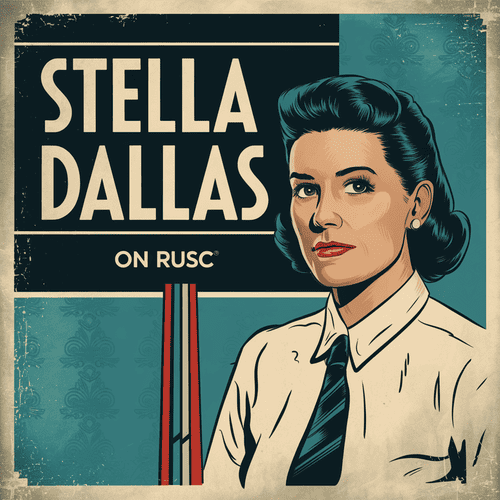
Stella Dallas
Stella Dallas was a long-running American radio soap opera that captivated audiences from 1937 to 1955. Based on the 1923 novel of the same name by Olive Higgins Prouty, the series followed the life of Stella Dallas, a working-class woman who sacrificed her own happiness for the sake of her daughter’s social advancement. The show was a quintessential example of the “mother love” genre, exploring themes of class differences, sacrifice, and the complexities of mother-daughter relationships.
Created and produced by the prolific husband-and-wife team of Frank and Anne Hummert, Stella Dallas became one of the most popular daytime radio dramas of its era. The series began as a local show on WEAF in New York City on October 25, 1937, before being picked up by the NBC Radio network on June 6, 1938, where it would run for nearly two decades.
The show’s premise, as outlined in its opening, set the stage for the drama to unfold: “We give you now Stella Dallas, a continuation on the air of the true-to-life story of mother love and sacrifice, in which Stella Dallas saw her own beloved daughter, Laurel, marry into wealth and society and, realizing the differences in their tastes and worlds, went out of Laurel’s life.” This poignant introduction encapsulated the central conflict that drove the series forward, resonating with listeners across the nation.
The Stars
At the heart of Stella Dallas was the titular character, portrayed throughout the entire run of the series by Anne Elstner. Elstner’s consistent and emotive performance as Stella anchored the show, bringing depth and authenticity to the role of a mother willing to sacrifice everything for her daughter’s happiness and social standing.
The role of Stella’s daughter, Laurel, was initially played by Joy Hathaway. However, as the series progressed, Vivian Smolen took over the part, bringing her own interpretation to the character of the socially ambitious young woman torn between two worlds.
Stella’s husband, Stephen Dallas, was a character that saw multiple actors in the role over the years. Leo McCabe, Arthur Hughes, and Frederick Tazere all took turns portraying Stephen, each bringing their own nuances to the complex relationship between Stella and her estranged spouse.
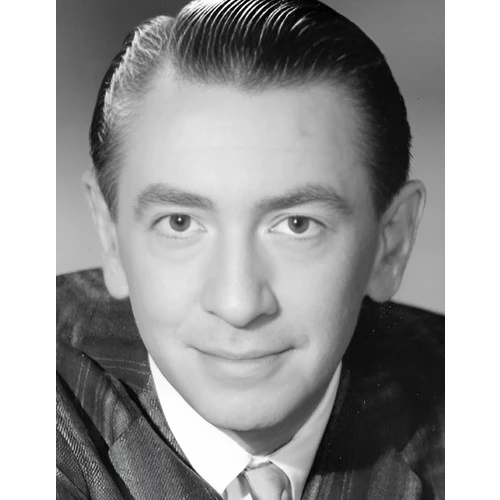
Laurel’s husband, Dick Grosvenor, was another pivotal character in the series. This role was played by a succession of talented actors, including Carleton Young, Macdonald Carey, Spencer Bentley, George Lambert, and Michael Fitzmaurice. The rotating cast for this character allowed for fresh dynamics in the storylines involving Laurel’s married life and her relationship with her mother.
Key Dates
- October 25, 1937: Stella Dallas debuts as a local show on WEAF in New York City, marking the beginning of its radio journey.
- June 6, 1938: NBC Radio network picks up Stella Dallas, bringing the show to a national audience and solidifying its place in the daytime drama landscape.
- December 23, 1955: The final episode of Stella Dallas airs, concluding an impressive 18-year run on national radio.
- Throughout its run, Stella Dallas maintained a consistent weekday afternoon timeslot, becoming a staple in the daily routines of its dedicated listeners. The show’s longevity is a testament to its enduring appeal and the strong connection it forged with its audience.
Other Information
Stella Dallas was part of the impressive portfolio of radio serials produced by Frank and Anne Hummert, often referred to as the “King and Queen of the Soaps.” The Hummerts were known for their efficient production methods and their ability to create compelling, long-running series that resonated with listeners.
The show’s success on radio came in the wake of multiple film adaptations of the original novel. A silent film version was released in 1925, and a more famous talking picture starring Barbara Stanwyck hit theaters in 1937, just months before the radio series began. This cinematic popularity likely contributed to the initial interest in the radio adaptation.
Stella Dallas was typically broadcast in 15-minute episodes, a common format for daytime serials of the era. This bite-sized storytelling approach allowed for daily engagement with the audience, creating a sense of continuity and anticipation that kept listeners tuning in day after day.
The series had several notable announcers over its run, including Ford Bond, Frank Gallop, Howard Claney, Jimmy Wallington, Jack Costello, and Roger Krupp. These voices became familiar to listeners, guiding them into and out of each day’s drama.
Directors for Stella Dallas included Ernest Ricca, Richard Leonard, and Norman Sweetser, each contributing to the show’s consistent quality and emotional impact.
Like many radio shows of its time, Stella Dallas had various sponsors throughout its run. These included Bayer Aspirin and Double Dandrine shampoo, reflecting the typical advertising partnerships of daytime serials aimed primarily at a female audience.
The theme music for Stella Dallas was “How Can I Leave Thee,” a melancholic tune that perfectly captured the bittersweet nature of Stella’s sacrifices for her daughter.
The success of Stella Dallas on radio demonstrates the enduring appeal of its central narrative. The story of a mother’s unconditional love and sacrifice resonated deeply with audiences, transcending class boundaries and touching on universal themes of family, ambition, and the sometimes painful choices we make for those we love.
The legacy of Stella Dallas extends beyond its radio run. The story has been adapted multiple times for various media, including films and television, indicating its lasting impact on popular culture. The radio series, however, holds a special place in the history of American broadcasting, representing a golden age of storytelling that captivated listeners with nothing more than voices, music, and sound effects.
In the annals of old-time radio, Stella Dallas stands as a shining example of the soap opera genre, a daily drama that for nearly two decades brought tears, laughter, and emotional engagement to millions of listeners across America.
Its long run and dedicated following are a testament to the power of radio as a medium for storytelling and its ability to create vivid worlds in the imagination of its audience.
Unfortunately only six episodes are extant.
Cast & Crew



Ratings & reviews
Loading reviews…
Episodes
Now then. Enjoyed Stella Dallas, did you? An old wireless hand reckons these are right up your street.