Heartbeat Theater was a long-running old-time radio drama series that aired from 1956 to 1985. Sponsored by the Salvation Army, the show dramatized stories of everyday people facing challenges and finding help and redemption through faith, optimism, and the kindness of others. The series featured a rotating cast of both established and up-and-coming radio, film, and television actors, as well as writers who crafted the heartwarming tales.
The overarching theme of Heartbeat Theater was the power of community and the Salvation Army’s role in supporting those in need. Each episode would typically focus on an individual or family facing hardship, whether it was illness, tragedy, addiction, or simply hard times.
Through the intervention of Salvation Army officers or volunteers, the characters would find the strength and resources to overcome their struggles. The stories aimed to inspire listeners with messages of faith, optimism, and the transformative impact of human compassion.
The Stars
While Heartbeat Theater did not have a consistent lead cast, it featured many well-known actors of the era who lent their talents to the series.
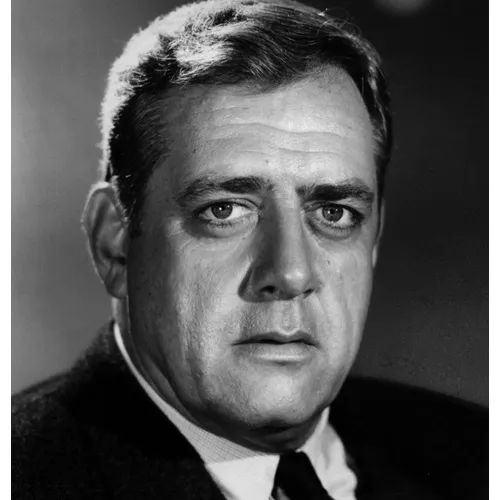
Some of the notable performers who appeared on the show included Raymond Burr, Greer Garson, Preston Foster, Daws Butler, and MacDonald Carey, who also served as the host and narrator for the program’s final seven years.
The series provided a platform for both seasoned veterans and up-and-coming performers, giving them the opportunity to showcase their versatility in a variety of dramatic roles.
Key Dates
- Heartbeat Theater first premiered in December 1955 and was officially released in March 1956.
- The series continued its regular weekly broadcasts for nearly three decades, finally airing its last episode in October 1985.
- During its run, the show underwent a significant transformation in 1977 when the Salvation Army took over its production and updated the format to address more contemporary social issues, including topics such as prostitution, incest, and homosexuality.
Other Information
The Salvation Army played a crucial role in the longevity of Heartbeat Theater, as the organization provided half of its annual media budget to keep the program on the air and distributed to over 500 radio stations across the United States. However, by the mid-1980s, the Salvation Army’s support for the series had waned, and the program ultimately came to an end when the organization withdrew its funding.
Despite its religious undertones, Heartbeat Theater was praised for its ability to tackle a wide range of social and personal issues with sensitivity and nuance. The program’s host, MacDonald Carey, noted that the show provided “the only access some people have to urban America,” and that it “struck a chord with an awful lot of people.”
While the series may not have achieved the same level of fame as some of its contemporaries, it nonetheless left a lasting impact on the old-time radio landscape, offering listeners heartwarming tales of resilience and the transformative power of community.