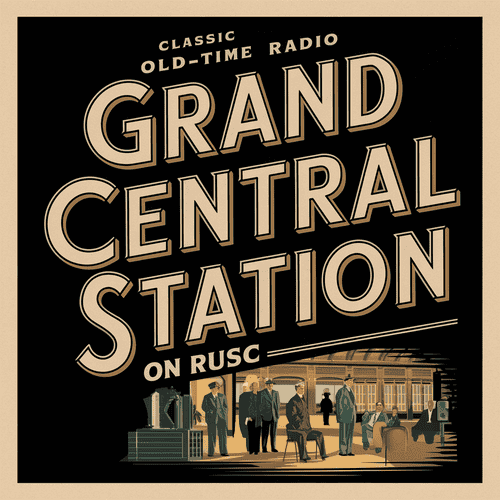
Grand Central Station was a long-running American radio anthology series that captivated audiences from 1937 to 1954. This dramatic program showcased a diverse array of stories, ranging from romantic comedies to light dramas, all set against the backdrop of New York City’s iconic Grand Central Terminal. The show’s premise revolved around the idea that the bustling transportation hub was “the crossroads of a million private lives, a gigantic stage on which are played a thousand dramas daily.”
Produced by the renowned Himan Brown, along with Martin Horrell and others, Grand Central Station offered listeners a weekly glimpse into the lives of various characters whose paths intersected within the terminal’s halls. Each episode presented a self-contained story, allowing for a rich tapestry of human experiences to unfold over the course of the series’ run.
The program’s opening narration set the stage for the drama to come, inviting listeners to imagine the countless stories unfolding within the terminal’s walls. This unique concept allowed the show to explore a wide range of themes and genres, keeping audiences engaged with fresh narratives week after week.
Grand Central Station aired on all four major radio networks of its time - NBC, CBS, ABC, and the Blue Network - demonstrating its widespread popularity and appeal. The show’s ability to capture the imagination of listeners across the nation solidified its place as a beloved fixture of the Golden Age of Radio.
The Stars
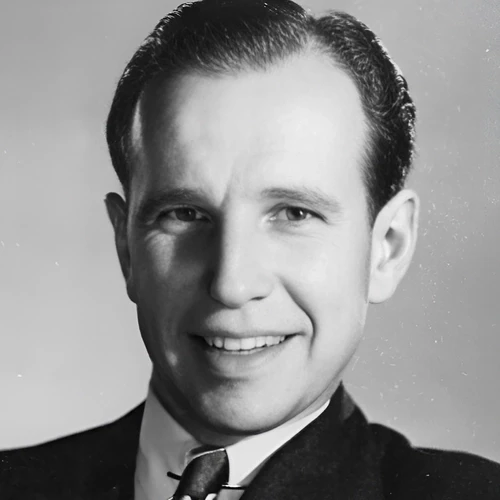
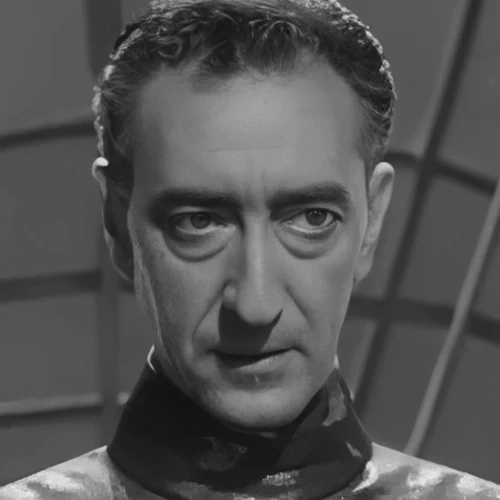
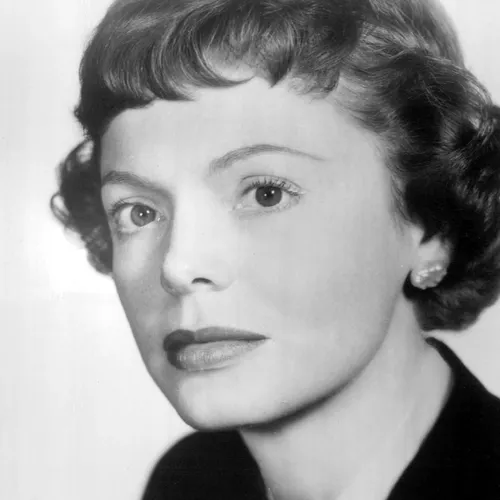
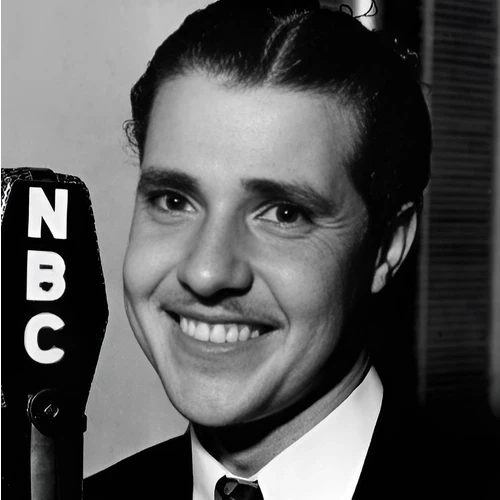
While Grand Central Station was primarily an anthology series without a regular cast, it did feature a number of notable actors throughout its run. Jim Ameche, brother of the famous Don Ameche, and Hume Cronyn, who would later become a celebrated stage and screen actor, were among the talented performers who lent their voices to the show’s diverse characters.
The program also boasted a roster of skilled announcers and narrators who helped bring the stories to life. George Baxter, Ken Roberts, and Tom Shirley served as announcers, while Jack Arthur, Stuart Metz, and Alexander Scourby took on narration duties.
These voices became familiar to regular listeners, providing continuity amidst the ever-changing cast of characters and storylines.
Key Dates
- Debut: Grand Central Station made its radio debut on October 8, 1937, on NBC’s Blue Network. This marked the beginning of what would become a 17-year run across various networks.
- Network Changes: Throughout its run, the show moved between different networks. While specific dates for each network change are not provided in the available sources, it’s known that the program aired on NBC, CBS, and ABC at various points during its lifespan.
- Final Broadcast: The last episode of Grand Central Station aired on April 2, 1954, bringing an end to nearly two decades of storytelling centered around the famous terminal.
Other Information
Title Controversy: Interestingly, the show’s title was technically inaccurate. Grand Central is actually a terminal, not a station. Himan Brown, the producer, claimed that the New York Central Railroad would not allow him to use the actual name “Grand Central Terminal” for the show, leading to the slight misnomer.
Sound Effects: The program was known for its use of sound effects to create the atmosphere of a busy train terminal. Notably, even after steam engines were no longer frequently used at Grand Central, the show continued to incorporate their sounds. When listeners pointed out this anachronism, Brown famously responded, “You have your own Grand Central Station,” suggesting that the show’s version of the terminal existed in a slightly different reality than its real-world counterpart.
Sponsorship: Over the years, Grand Central Station was sponsored by various companies, including Listerine, Rinso, Pillsbury, Cream of Wheat, and Toni. These sponsorships were typical of radio programs during this era and helped fund the production of the show.
Television Pilot: In 1952, an attempt was made to bring Grand Central Station to television. A half-hour pilot episode was produced, starring Mercedes McCambridge, with supporting roles played by Kirby Grant and Parley Baer. The pilot was produced by Don W. Sharpe, who copyrighted the film. Despite the show’s radio success, the television pilot was not picked up for a series, and Grand Central Station remained exclusively a radio program.
Legacy: Grand Central Station remains a significant part of radio history, representing the golden age of radio drama and storytelling. Its long run and presence on all major networks of its time speak to its popularity and the quality of its productions. The show’s premise - using a central location as a jumping-off point for diverse stories - was innovative for its time and has since been emulated in various forms of media.
The series’ ability to blend drama, comedy, and human interest stories, all set against the backdrop of one of America’s most iconic locations, helped cement its place in the annals of radio history. Today, Grand Central Station serves as a window into mid-20th century American culture and the art of radio storytelling, continuing to captivate old-time radio enthusiasts and historians alike.