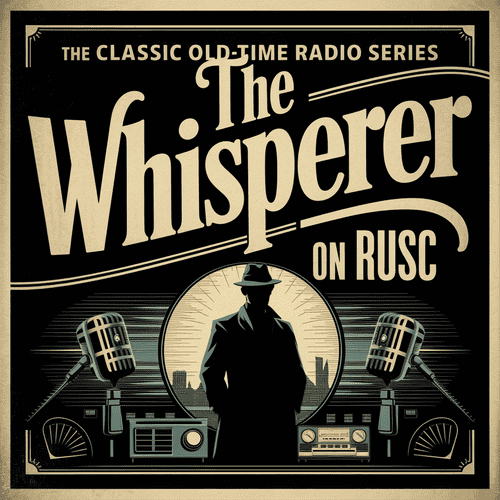
The Whisperer was an intriguing American old-time radio program that blended elements of crime drama with a touch of satire. This unique series aired on NBC during the summer of 1951, serving as a replacement show for 13 weeks from July 8 to September 30. The program stood out among its contemporaries for its tongue-in-cheek approach to the popular radio crime dramas of the era, offering listeners a fresh and entertaining perspective on the genre.
At the heart of The Whisperer was the story of Philip Gault, a lawyer whose life took an unexpected turn due to a college football injury that left him with an eerie whisper for a voice. This unusual circumstance led Gault to infiltrate “the syndicate” in his hometown of Central City, embarking on a mission to dismantle organized crime from within. Known to the underworld simply as “the Whisperer,” Gault’s unique vocal condition became his secret weapon in navigating the dangerous world of criminals and corruption.
The show’s premise took an interesting twist when Gault’s normal speaking voice was restored through surgery. Despite this development, he chose to continue his double life as the Whisperer. This decision allowed him to act as a conduit for the syndicate bosses in New York, relaying their orders to their underlings in Central City. Unbeknownst to the crime lords, Gault used this position to set up and ultimately bring down their operations, adding layers of intrigue and suspense to each episode.
The Whisperer captivated audiences with its blend of crime-fighting action and satirical undertones. The show’s unique approach to the crime drama genre, coupled with its intriguing protagonist and premise, made it a standout among the radio programs of its time. Although its run was brief, lasting only a single summer season, The Whisperer left an indelible mark on the landscape of old-time radio entertainment.
The Stars
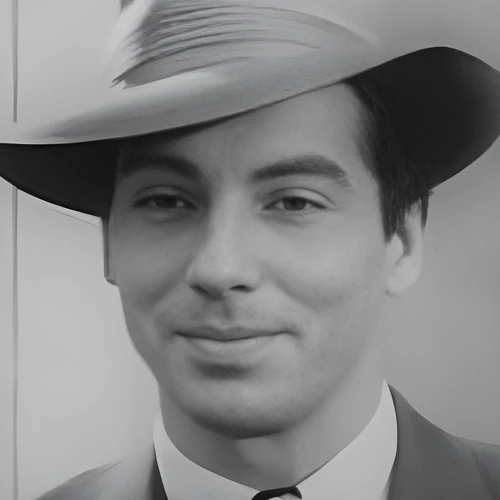
The cast of The Whisperer was led by Carleton G. Young, who brought the complex character of Philip Gault to life. Young’s portrayal of both the whisper-voiced undercover agent and the restored-voice lawyer showcased his versatility as a voice actor. His ability to convey the duality of Gault’s character was crucial to the show’s success and appeal.
Betty Moran played Ellen Norris, Gault’s girlfriend and the only person, aside from Dr. Lee, who was aware of his double identity. Moran’s role added a personal dimension to the series, providing a confidante for Gault and a link to his life outside of his dangerous undercover work.
Paul Frees occasionally appeared as Lieutenant Charles Denvers, described as Gault’s “friend on the force.” Frees’ contributions added authenticity to the law enforcement aspects of the show.
Interestingly, William Conrad, known for his distinctive voice and work on other radio dramas, frequently appeared in various supporting roles. However, due to his exclusive contract with CBS radio at the time, Conrad used the alias “Julius Krelboyne” for his work on The Whisperer.
Behind the scenes, Bill Karn served as both producer and director, occasionally contributing as a writer. The show’s atmospheric background music was provided by organist Johnny Duffy, adding to the overall mood and tension of each episode.
Key Dates
- July 8, 1951: The Whisperer made its debut on NBC, launching as a summer replacement series.
- September 30, 1951: The final episode of The Whisperer, titled “Strange Bed Fellows,” aired, concluding the show’s 13-episode run.
The series maintained a consistent schedule throughout its brief run, airing on late Sunday afternoons at 5:00 p.m. Eastern time. This time slot positioned The Whisperer as a transitional program between daytime and evening entertainment, potentially capturing a diverse audience of radio listeners.
Other Information
Unique Premise: The Whisperer stood out for its creative twist on the crime drama genre. The concept of a lawyer using a voice impairment as a means to infiltrate organized crime was both innovative and intriguing for the time.
Satirical Approach: The show was known for its tongue-in-cheek tone, which set it apart from more serious crime dramas of the era. This satirical element allowed The Whisperer to both entertain and gently poke fun at the conventions of radio crime programs.
Source Material: The stories featured in The Whisperer were based on works by Dr. Stetson Humphrey, who collaborated with his wife, Irene. This partnership likely contributed to the unique storylines and character dynamics present in the series.
Dual Identity Plot: The show’s narrative took an interesting turn when Philip Gault regained his normal voice but chose to maintain his undercover identity. This added complexity to the character and opened up new storytelling possibilities, even within the show’s short run.
Radio Network Rivalry: The involvement of William Conrad under an alias due to his CBS contract highlights the competitive nature of radio networks during this period. It also demonstrates the high demand for talented voice actors in the radio drama industry.
Summer Replacement Status: As a summer replacement series, The Whisperer was part of a common practice in radio programming where networks would air shorter series during the traditional summer hiatus of regular shows. This gave the audience fresh content and provided opportunities for new or experimental programs to find an audience.
Legacy: While The Whisperer had a brief run, its unique premise and approach to the crime drama genre have made it a noteworthy entry in the annals of old-time radio. The show’s blend of suspense, satire, and innovative storytelling continues to intrigue enthusiasts of radio history and crime fiction.
The Whisperer remains a fascinating example of the creativity and diversity present in the golden age of radio. Its short but impactful run demonstrates how even brief series could leave a lasting impression on the medium and its audience.