Sam & Henry
Sam ‘n’ Henry was a groundbreaking radio series that aired on Chicago’s WGN radio station from 1926 to 1928. This pioneering show is widely considered to be one of the first situation comedies in broadcast history, paving the way for countless radio and television sitcoms that would follow. Created and performed by Freeman Gosden and Charles Correll, the series followed the misadventures of two Black men from Alabama who had recently moved to Chicago as part of the Great Migration.
The show’s premise centered around Sam Smith and Henry Johnson, two friends trying to navigate life in the big city after leaving their rural Southern roots behind. Sam was portrayed as meek and gullible, while Henry was more domineering and ambitious. Their attempts to find work, housing, and their place in Chicago society formed the basis for much of the show’s comedy and storylines.
Sam ‘n’ Henry aired as a 10-minute program and quickly found an audience among Midwestern listeners. The show’s humor often relied on racial stereotypes and dialect comedy that would be considered highly problematic today. However, it was groundbreaking for its time in featuring Black main characters and addressing some of the real challenges faced by African American migrants to Northern cities in the 1920s.
The Stars
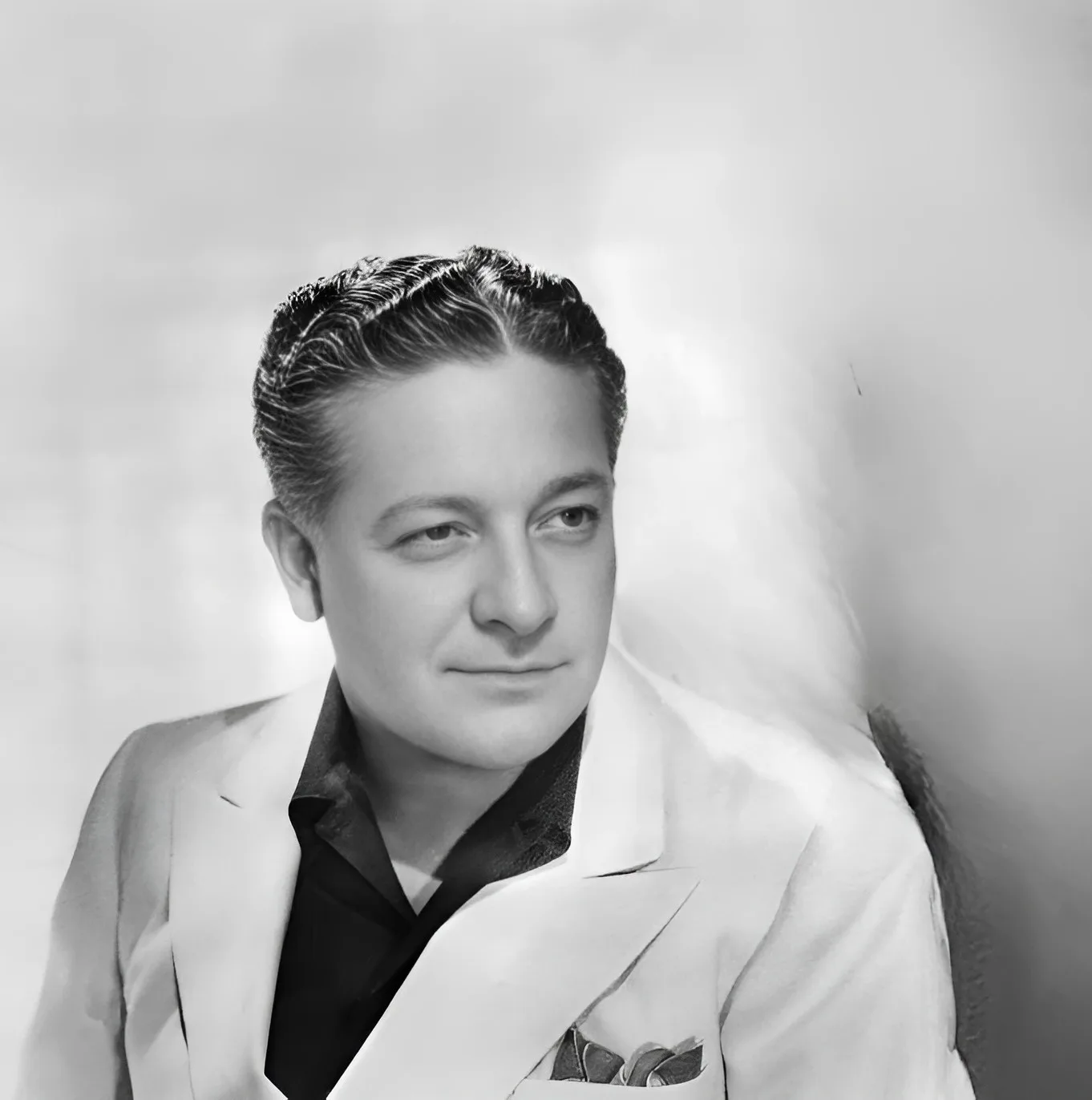
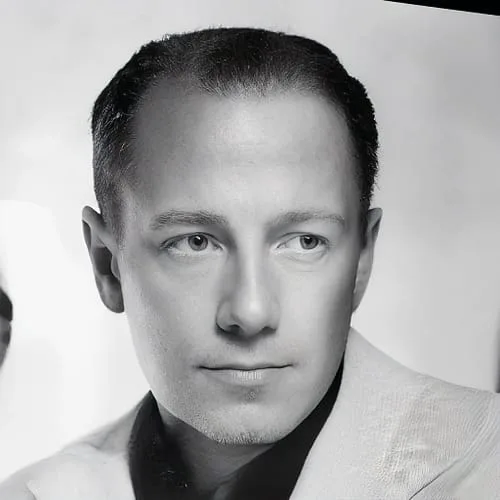
Freeman Gosden and Charles Correll were the creative forces behind Sam ‘n’ Henry, writing all the scripts and providing voices for all the characters on the show. Both men were white, and their portrayals of Black characters relied heavily on exaggerated dialect and racial caricatures common in the minstrel show tradition.
Gosden voiced the character of Sam, while Correll played Henry. The two performers had worked together in vaudeville and radio before creating Sam ‘n’ Henry. Their chemistry and comic timing as a duo was a key factor in the show’s success with listeners.
In addition to Sam and Henry, Gosden and Correll voiced all the other recurring characters on the program. This included the “Most Precious Diamond,” a leader in the fictional fraternal organization called the Jewels of the Crown, which Sam and Henry joined.
Key Dates
- January 12, 1926: Sam ‘n’ Henry debuts on WGN radio in Chicago.
- January 29, 1928: Gosden and Correll’s last musical program for WGN airs, marking their departure from the station.
- February 12, 1928: The final episode of Sam ‘n’ Henry with Gosden and Correll airs on WGN.
- March 19, 1928: Gosden and Correll debut their new show Amos ‘n’ Andy on competing Chicago station WMAQ, using very similar characters and premise to Sam ‘n’ Henry.
- March 31, 1928: WGN briefly revives Sam ‘n’ Henry without Gosden and Correll, changing the format to a 15-30 minute program where the title characters mostly serve as announcers for musical performances.
- July 14, 1928: The final episode of the revived Sam ‘n’ Henry airs on WGN.
Other Information
Innovative Distribution: Gosden and Correll left WGN in early 1928 after the station rejected their novel idea of recording Sam ‘n’ Henry episodes on phonograph records for distribution to other radio stations. This concept, which would have made Sam ‘n’ Henry one of the first syndicated radio programs, was ahead of its time. When they moved to WMAQ and rebranded their act as Amos ‘n’ Andy, they were eventually able to implement this distribution model, helping to fuel that show’s national popularity.
Prolific Output: During its two-year run, Gosden and Correll produced an impressive 586 episodes of Sam ‘n’ Henry. The daily, serialized nature of the program allowed for ongoing storylines and character development that kept listeners tuning in regularly.
Print Media Tie-ins: The popularity of Sam ‘n’ Henry led to some early examples of cross-media promotion. In 1926, the Chicago Tribune published a book containing 25 scripts from the first two months of the radio series, complete with illustrations by Samuel Jay Smith. The book sold well enough that a paperback edition was released in 1930. Additionally, from February to October 1927, the Sunday edition of the Chicago Daily Tribune included a transcript of a recent or classic Sam ‘n’ Henry episode each week.
Live Performances: In early 1927, Gosden and Correll capitalized on the show’s popularity by performing Sam ‘n’ Henry routines live in at least three Chicago theaters. This demonstrates how radio fame was beginning to translate into other entertainment venues.
Recordings: In 1926 and 1927, Gosden and Correll recorded shortened versions of some Sam ‘n’ Henry routines for Victor Records. These three-minute recordings allowed fans to enjoy the characters’ antics on demand and represented an early form of comedy album.
Legacy: While Sam ‘n’ Henry had a relatively short run, its influence on American broadcasting was significant. The show established many of the conventions that would become standard in radio and television sitcoms, including the use of recurring characters, ongoing storylines, and the exploration of social issues through comedy.
The success of Sam ‘n’ Henry directly led to the creation of Amos ‘n’ Andy, which became one of the most popular and long-running radio programs in history. However, both shows have a complicated legacy due to their reliance on racial stereotypes and the use of white performers to portray Black characters.
Today, Sam ‘n’ Henry is recognized as a historically significant production that helped shape the future of American entertainment. However, it’s also acknowledged as a product of its time that perpetuated harmful stereotypes through its use of minstrel show traditions and blackface performance techniques.
The show serves as an important touchstone for discussions about race, representation, and the evolution of American popular culture in the early 20th century.
Cast & Crew
Ratings & reviews
Loading reviews…
Episodes
Ah, Sam & Henry — a fine choice. Let me set a few more down beside it that I think you'll take to.