Johnny Patrick
Johnny Patrick (born John Patrick Goggin) built a career that stretched from early radio broadcasting to Broadway, Hollywood, and television. Before becoming widely known for stage successes like The Teahouse of the August Moon and The Curious Savage, Patrick spent years writing and performing for radio. Those early broadcasting experiences sharpened his storytelling skills and helped shape a dramatist who would later win the Pulitzer Prize for Drama in 1954. His path to success was unusual. Abandoned as a child and raised in foster homes, Patrick discovered opportunity through radio. The medium became both his training ground and the starting point for a long and influential career in American drama.
Early Life and Background
Johnny Patrick was born John Patrick Goggin in Louisville, Kentucky, on May 17, 1905. His childhood was difficult. His parents abandoned him at a young age, and he spent much of his early life moving through foster homes and boarding schools. These unstable beginnings contributed to a troubled adolescence. Despite the challenges, Patrick eventually found direction when he entered the world of broadcasting. At 19 years old, he became an announcer at KPO Radio in San Francisco, California. The job exposed him to the mechanics of radio production and introduced him to writing for broadcast. Around this time he also married Mildred Legaye in 1925, marking the beginning of both his professional and personal adult life.
Radio Career and Writing Success
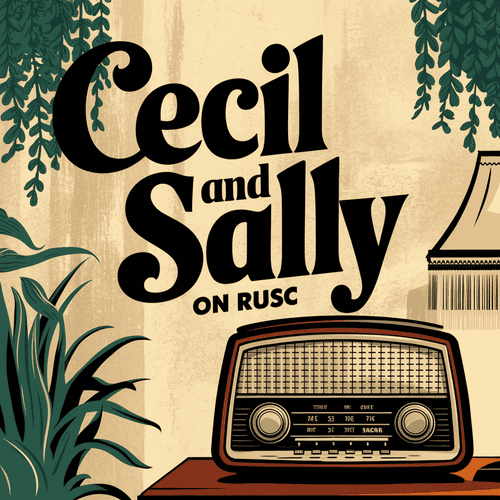
Patrick’s early reputation grew through the radio comedy program Cecil and Sally, originally titled The Funniest Things. The show aired from 1928 to 1933 and became the centerpiece of his early career. For the program Patrick wrote more than 1,000 scripts, an extraordinary achievement for a single writer. The show featured only two performers—Patrick and Helen Troy—which meant the success of the broadcast depended heavily on his writing and timing. Producing such a large volume of material forced Patrick to develop speed, discipline, and strong dialogue skills. These abilities later became central to his success as a playwright. In 1937, Patrick also wrote adaptations for NBC’s Streamlined Shakespeare, a radio series presenting Shakespearean stories for broadcast audiences. The program included guest performers such as Helen Hayes, further connecting Patrick with respected figures in the theatre world.
Broadway Breakthrough and Major Achievements
Patrick’s first Broadway production, Hell Freezes Over, opened on December 28, 1935, at the Ritz Theatre in New York. Although the play had a short run, it marked his formal entry into professional theatre and helped establish him as a playwright. During World War II, Patrick volunteered with the American Field Service, serving with Montgomery’s Eighth Army in Egypt and later in campaigns in India and Burma. These experiences influenced his later writing. While returning to the United States after the war, Patrick completed the play The Hasty Heart. Premiering on January 3, 1945, at the Hudson Theatre in New York, it became a major theatrical success and was later adapted into a 1949 film starring Ronald Reagan. Patrick reached the peak of his career with The Teahouse of the August Moon, adapted from a novel by Vern J. Sneider. Premiering on October 15, 1953, at the Martin Beck Theatre, the play won both the Pulitzer Prize for Drama and the Tony Award for Drama in 1954. It was later adapted into a 1956 film and later into the musical Lovely Ladies, Kind Gentlemen in 1970.
Later Life and Legacy
Alongside his stage work, Patrick wrote screenplays for several films, including Three Coins in the Fountain (1954) and Love Is a Many-Splendored Thing (1955), based on the autobiographical writing of Han Suyin. Following the success of The Hasty Heart, Patrick purchased a 65-acre estate called Hasty Hill in Suffern, New York. He later moved to Saint Thomas in the United States Virgin Islands, where he continued writing plays and screenplays for many years. Johnny Patrick died on November 7, 1995, at the age of 90 in Delray Beach, Florida. Authorities ruled his death a suicide. Despite the tragic end to his life, Patrick’s career left a strong mark on American entertainment. His years in radio taught him the craft of dialogue and storytelling, skills that helped him create enduring theatrical works. Today, his manuscripts and papers are preserved in the John Patrick Collection at the Rare Book Department of Boston University, ensuring that his contributions to radio, theatre, and film remain part of cultural history.
Works and Appearances
Radio
- 1928–1933 – Cecil and Sally (The Funniest Things), Radio series – Writer of over 1,000 scripts, performer with Helen Troy
- 1937 – Streamlined Shakespeare, NBC Radio – Writer of adaptations
Theatre
- 1935 – Glory Lane, Golden Bough Playhouse
- 1935 – Hell Freezes Over
- 1942 – The Willow and I
- 1945 – The Hasty Heart
- 1947 – The Story of Mary Surratt
- 1950 – The Curious Savage,
- 1951 – Lo and Behold
- 1953 – The Teahouse of the August Moon
Screenplays
- 1936 – Charlie Chan at the Race Track
- 1937 – Midnight Taxi
- 1954 – Three Coins in the Fountain
- 1955 – Love Is a Many-Splendored Thing
- 1962 – Gigot
- 1963 – The Main Attraction
- 1968 – The Shoes of the Fisherman
Television
- 1962 – Teahouse of the August Moon, Hallmark Hall of Fame, NBC – Television adaptation
- 1973 – The Small Miracle, Hallmark Hall of Fame, NBC – Television production
Publications
- 1943 – The Willow and I
- 1945 – The Hasty Heart
- 1947 – The Story of Mary Surratt
- 1951 – The Curious Savage
- 1952 – Lo and Behold!
- 1957 – The Teahouse of the August Moon
- 1962 – Everybody Loves Opal, Play publication