James Wallington
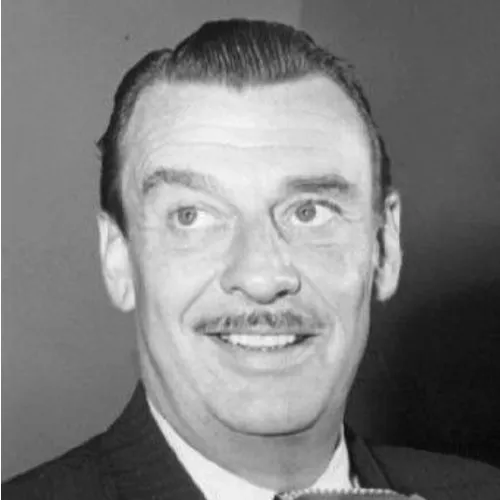
In the vibrant landscape of mid-20th century American broadcasting, few personalities were as ubiquitous and versatile as Jimmy Wallington. A quintessential radio announcer who seamlessly bridged the worlds of radio and early television, Wallington became a familiar voice that guided listeners through the golden era of entertainment broadcasting.
Early Life and Radio Beginnings
Born on September 15, 1907, Jimmy Wallington emerged during a transformative period in American media. While details of his early life remain sparse, his professional journey began in the mid-1930s when radio was rapidly becoming the primary source of entertainment for millions of Americans. Wallington quickly distinguished himself as more than just a standard announcer, developing a unique style that would define his career. By the mid-1930s, Wallington had established himself as a prominent radio personality. In August 1934, he toured with various entertainers at the famous Steel Pier music venue, showcasing his emerging talent as a radio personality. His early work demonstrated a remarkable versatility that would become his professional hallmark.
Rise to Prominence in Radio Broadcasting
Wallington's career truly took flight during the 1940s and early 1950s, when he became the announcer for several popular radio shows. He was a regular presence on programs like The Big Show, Texaco Town, and The Fred Allen Show. Unlike many announcers who merely introduced programs, Wallington often incorporated comedy lines, adding personality and humor to his professional role. His announcing style was characterized by a smooth, authoritative delivery that made him a trusted voice for audiences. He would typically introduce the program's star and then seamlessly transition into reading sponsor commercials - a critical skill during radio's commercial-driven era. This ability to blend professionalism with entertainment made him a sought-after announcer.
Transition to Television and Broader Media
As radio gradually gave way to television in the 1950s, Wallington adeptly navigated the changing media landscape. He continued his announcing work in the new medium, appearing in television shows and commercials. Notably, he became a prominent figure in California, doing life insurance and other commercial advertisements. His television appearances included shows like Panic and various other programs where he often appeared as himself, leveraging his established radio persona. This smooth transition demonstrated Wallington's adaptability and enduring appeal in the entertainment industry.
Legacy and Recognition
Jimmy Wallington's contributions to broadcasting were significant enough to earn him a star on the Hollywood Walk of Fame, located at 6660 Hollywood Boulevard. This recognition underscored his importance in the entertainment industry during a pivotal period of media transformation. By the end of his professional career, Wallington had worked with numerous entertainment legends and had become a respected figure in radio and television announcing. He concluded his radio career working as an announcer in the Worldwide English service, reflecting the broad reach of his professional talents.
Works and Appearances
Radio
- The Big Show (Announcer)
- Texaco Town (Announcer)
- The Fred Allen Show (Announcer)
- Stranger Than Fiction (1934-1939, Announcer)
- Various NBC radio shows (mid-1930s)
Television
- Panic (1958, Radio Announcer)
- Various commercial appearances
Films
- Hold That Line (1951, Himself)
- Thanks, My Lovely (1938, Nick Nichols)
- College Swing (1938, Announcer)
Jimmy Wallington passed away on December 22, 1972, leaving behind a rich legacy as one of radio's most versatile and beloved announcers. His career spanned multiple decades and mediums, embodying the dynamic spirit of mid-20th century American broadcasting.