Igor Gorin
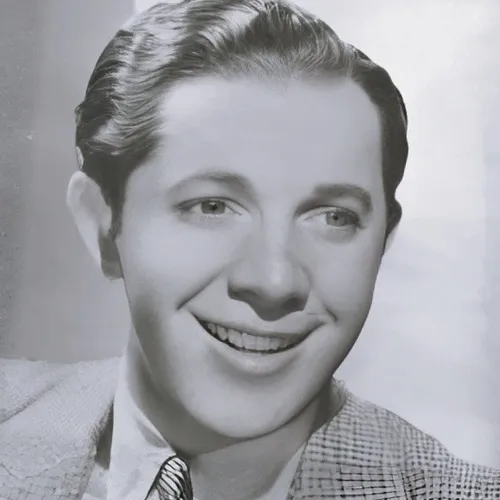
In the golden age of radio broadcasting, few performers captured the hearts of listeners quite like Igor Gorin. A Ukrainian Jewish immigrant with a remarkable voice and an extraordinary journey, Gorin transformed from a struggling young singer in Vienna to a celebrated radio and concert performer in the United States.
From Grodek to Vienna: The Early Years of a Musical Prodigy
Born Ignatz Greenberg on October 26, 1904, in the small village of Grodek, Igor came from a deeply religious Jewish family. While his father was a religious teacher, it was his mother, Yente Moritz Greenberg, who instilled in him a profound love of music. Despite his father's expectations, young Igor displayed an exceptional aptitude for music, singing in the local synagogue choir and demonstrating an incredible ability to memorize liturgical texts. In 1919, at just 15 years old, the Greenberg family moved to Vienna, where Igor's life became a testament to perseverance. Working grueling jobs in factories and shops, he still found time to pursue his passion. His days were filled with hard labor from 6 am to 8 pm, six days a week, yet he would spend his precious free moments in public libraries and attending lectures at the Urania night school.
The Discovery of a Remarkable Talent
Gorin's musical journey took a pivotal turn when his singing caught the attention of Viktor Fuchs, one of Vienna's most distinguished voice teachers. Despite Gorin's initially unpromising appearance, Fuchs recognized an extraordinary tenacity and potential in the young singer. In 1925, Fuchs offered Gorin free vocal lessons with Robert Traniewsky. During this period, Gorin was deeply inspired by the Italian baritone Mattia Battistini, dedicating himself to mastering the bel canto singing style. His dedication paid off when he became the head cantor at a Vienna synagogue, gaining widespread recognition. This reputation led to his operatic debut as Ping in Turandot, followed by performances with the Vienna Volksoper, where he portrayed iconic roles like Tonio, Germont, and Rigoletto.
Emigration and Radio Stardom in America
The rising tide of antisemitism in Europe prompted Gorin's emigration to the United States in 1933. Initially arriving as a cantor, he quickly transitioned into radio performance. His breakthrough came through NBC's The Standard Hour, where he met composer Albert Hay Malotte. Gorin became the first performer of Malotte's famous setting of "The Lord's Prayer," which would become his most popular radio and concert piece. Gorin's distinctive voice and charismatic performances led to appearances on numerous prestigious radio programs, including The Firestone Hour, Great Moments in Music, and The Ford Sunday Evening Hour. In 1936, he signed his first recording contract with RCA Victor, marking the beginning of a successful recording career.
A Versatile Performance Career
While primarily a concert singer, Gorin maintained connections with the opera world. He performed with various opera companies across the United States and made notable television appearances, including portraying characters in Carmen and La traviata. In 1964, he even made a guest appearance at the Metropolitan Opera, cementing his status as a respected classical performer. In 1966, due to declining health, Gorin transitioned to academia, becoming a music professor at the University of Arizona in Tucson. He passed away on March 24, 1982, leaving behind a remarkable legacy of musical excellence.
Legacy and Impact
Igor Gorin represented the quintessential immigrant success story - a talented artist who overcame significant obstacles to become a beloved figure in American entertainment. His journey from a small European village to radio stardom embodied the transformative power of talent, hard work, and artistic passion.
Works and Appearances
Radio
- The Standard Hour (1930s)
- The Firestone Hour
- Great Moments in Music
- The Ford Sunday Evening Hour
Opera Performances
- Turandot (Debut as Ping)
- Carmen
- La traviata
- Roles at various U.S. opera companies
Television
- Carmen (1958)
- La traviata (1960)
Recordings
- RCA Victor recordings (from 1937)
- Famous recording of "The Lord's Prayer" (1940)
Academic
- Music Professor, University of Arizona (1966-1982)