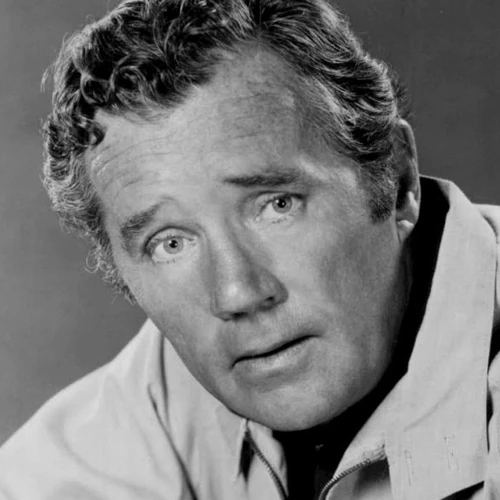
Howard Duff emerged as a quintessential radio and screen personality whose career spanned multiple decades, navigating the complex landscape of mid-20th century entertainment with remarkable versatility and resilience. From his iconic radio role as Sam Spade to his successful transition into television and film, Duff's journey represents a fascinating chapter in American broadcasting and cinema history.
Early Life and Radio Beginnings
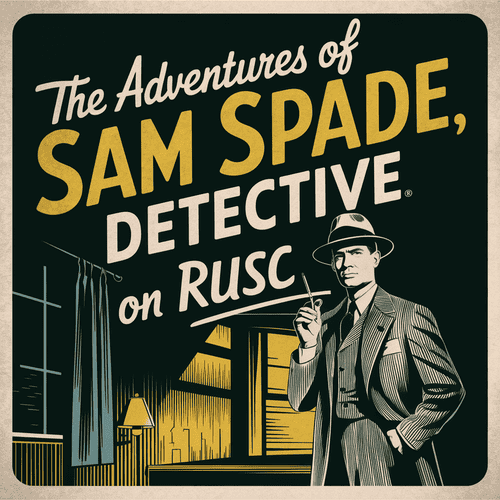
Born on November 24, 1913, in Charleston, Washington, Howard Green Duff discovered his passion for performance early. After being cut from his high school basketball team, he began acting in school plays, laying the groundwork for his future career. His entry into professional entertainment came through military service during World War II, where he was assigned to the radio service and announced re-broadcasts for the Armed Forces Radio Service. Duff's breakthrough came with his most memorable radio role as the hard-boiled private detective Sam Spade in the radio series Sam Spade (1946-1950). This character would define the early part of his career, establishing him as a prominent voice in the golden age of radio drama. However, his radio journey was not without challenges, as accusations of communist sympathies would later threaten his professional trajectory.
Hollywood and Television Career
The late 1940s and 1950s saw Duff transition from radio to film and television. He signed a contract with Universal Studios, making his film debut in 1947 and quickly establishing himself in various genres, particularly westerns and film noir. His versatility was evident in films like Brute Force (1947) and Moonrise (1948), where he worked alongside emerging stars like Burt Lancaster. Television became another significant platform for Duff. He found success in series like Mr. Adams and Eve (1957-1958), which he co-starred in and produced with his then-wife Ida Lupino. His most notable television role was as Detective Sergeant Sam Stone in the ABC police drama N.Y.P.D. (1966-1969), where he appeared in all 73 episodes and even directed one.
Personal Challenges and Resilience
Duff's career was marked by significant personal and professional challenges. In 1950, he was listed as a communist subversive, which threatened to derail his entire career. However, his marriage to actress Ida Lupino and his professional adaptability helped him survive this difficult period. Their relationship, though eventually ending in divorce in 1984, was both personally and professionally significant.
Later Career and Legacy
Throughout the 1970s and 1980s, Duff continued to work steadily in television, making guest appearances in numerous series and taking roles in TV movies. His ability to reinvent himself was remarkable, appearing in shows like Magnum, P.I. and Murder, She Wrote. His final acting appearances came in 1990, shortly before his death, demonstrating his enduring commitment to his craft. Howard Duff passed away on July 8, 1990, leaving behind a rich legacy in radio, film, and television. His career exemplified the adaptability and resilience required of performers during a transformative period in American entertainment.
Works and Appearances
Radio
- Sam Spade (1946-1950) - Sam Spade
Film
- Brute Force (1947) - Robert "Soldier" Becker
- Moonrise (1948) - George Deever
- Woman in Hiding (1950) - Keith Ramsey
Television
- N.Y.P.D. (1966-1969) - Detective Sergeant Sam Stone
- Mr. Adams and Eve (1957-1958) - Howard Adams
- The Twilight Zone (1960) - Arthur Curtis/Gerald Reagan
TV Movies
- Ski Lift to Death (1978) - Ben Forbes
- Roses Are for the Rich (1987) - Denton