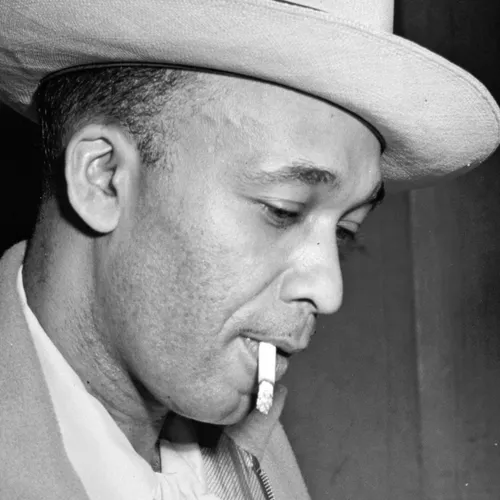
Herman Chittison
An American jazz pianist. He began in Zack Whyte's band in 1928. In his early days he worked with Ethel Waters, Adelaide Hall, and Clarence Williams. In the mid-1930s he was associated with Willie Lewis's band and toured Europe with them.
In the vibrant landscape of mid-20th century American entertainment, Herman "Ivory" Chittison emerged as a versatile musician whose talents transcended the boundaries of jazz and radio. Though primarily known as a pianist, Chittison's unique journey through music and broadcasting painted a rich portrait of an artist who seamlessly navigated multiple artistic domains.
Early Life and Musical Beginnings
Born on October 15, 1908, in Flemingsburg, Kentucky, Herman Chittison discovered his passion for music at an early age. The small-town environment of Kentucky would prove to be just the starting point for a career that would take him across continents and into the heart of the jazz and radio scenes. By 1928, Chittison had already begun his professional musical journey, joining a band in Ohio and laying the groundwork for what would become a remarkable career.
Navigating the Jazz and Radio Landscape
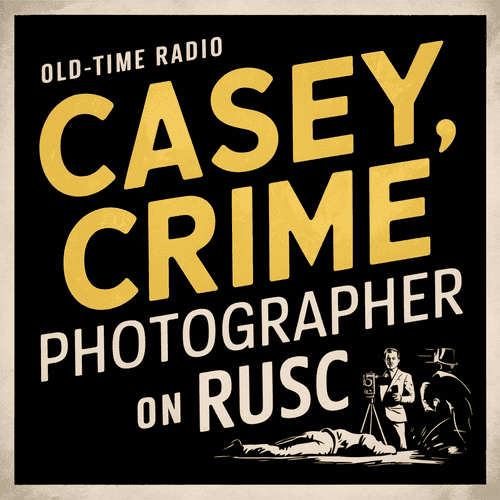
Chittison's move to New York in the early 1930s marked a pivotal moment in his career. Here, he established himself as a sought-after accompanist, working with various performers and expanding his musical network. His versatility became evident as he toured with different ensembles, including a European tour with an orchestra in late 1933, and even recording in Paris the following year. His radio career was equally fascinating. Chittison secured a recurring role as the piano player in the Blue Note Bar on the radio series Casey, Crime Photographer, demonstrating his ability to blend musical talent with broadcast performance. This unique intersection of jazz and radio made him a distinctive figure in the entertainment world.
International Adventures and Musical Collaborations
Perhaps one of the most intriguing aspects of Chittison's career was his international reach. In 1938, he and trumpeter Coleman formed a band that toured extensively, performing in Egypt and traveling as far east as India. This global perspective was unusual for musicians of his era and highlighted Chittison's adventurous spirit.
Later Years and Musical Legacy
In October 1959, Chittison arrived in Boston, establishing himself as the resident pianist at the Red Garter Bar and later the Mayfair Lounge. His two-year stay in Boston further cemented his reputation as a skilled and adaptable musician. In 1950, he recorded his first album, Keyboard Capers, and followed it up with a trio album the next year, continuing to document his musical journey.
Conclusion
Herman "Ivory" Chittison passed away on March 8, 1967, in Cleveland, Ohio, leaving behind a legacy that bridged jazz performance, radio entertainment, and international musical exploration. His life story represents the dynamic and interconnected world of mid-20th century American entertainment.
Works and Appearances
Radio
- Casey, Crime Photographer - Piano Player at Blue Note Bar
Musical Recordings
- Keyboard Capers (1950) - Solo Album
- Herman Chittison Trio Album (1951)
International Tours
- European Tour with Orchestra (1933-1934)
- Band Tour including Egypt and India (1938-1939)
Performance Venues
- Red Garter Bar, Boston (1959-1961)
- Mayfair Lounge, Boston (1959-1961)