George Olsen
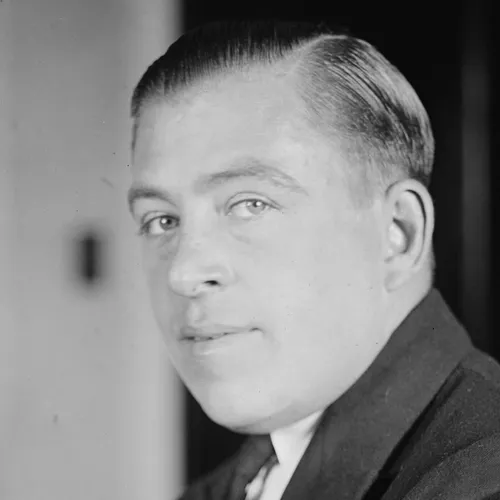
In the vibrant landscape of 1920s and 1930s American music, George Edward Olsen Sr. emerged as a pivotal bandleader who bridged the worlds of live performance, radio, and early recording. His orchestra became a quintessential sound of the Jazz Age, capturing the exuberant spirit of a transformative era in American entertainment.
Early Life and Musical Beginnings
Born on March 18, 1893, in Portland, Oregon, George Olsen began his musical journey in a time of remarkable cultural transformation. His first significant professional milestone came with his orchestra's debut hotel engagement at the Multnomah Hotel in Portland. This early performance would set the stage for a remarkable career that would see him become a prominent figure in the emerging entertainment landscape of the 1920s. Olsen's transition from regional performer to national entertainer was swift and impressive. He made a cross-country move that would define his career, appearing in various Broadway productions including the Ziegfeld Follies of 1925 and other notable stage shows. His musical versatility and dynamic leadership quickly distinguished him in the competitive world of entertainment.
Radio and Recording Career
In 1924, Olsen signed with Victor Records, becoming one of the label's most popular bands until 1933. His recordings captured the energetic and innovative sound of the era, with numerous hit tracks like "Beale Street Blues" and "Everybody Loves My Baby" becoming staples of the period. Olsen's radio presence was equally significant. He was an orchestra leader for various radio programs and was heard on national broadcasts. His band was not just a musical ensemble but a cultural phenomenon that represented the dynamism of 1920s American music.
Professional Collaborations and Personal Life
One of the most notable aspects of Olsen's career was his personal and professional partnership with Fanny Brice, whom he met during the Ziegfeld Follies. They married and performed together in nightclubs and on radio, creating a power couple of the entertainment world. They had two children, George Jr. and Charles, before eventually divorcing. After his divorce, Olsen's career took interesting turns. In 1936, he became the leader of Ben Knapp's band after Knapp's tragic death in a plane crash, chosen by Knapp's widow. However, morale issues eventually led to the band's disbandment in 1938.
Later Years and Legacy
In his later years, Olsen transitioned from music to hospitality. He ran a popular restaurant in Paramus, New Jersey, where he would greet guests while his original recordings from the 1920s played softly in the background. This unique approach demonstrated his enduring connection to his musical legacy. George Olsen passed away on his 78th birthday, March 18, 1971, in Paramus, New Jersey. His contributions to jazz, big band music, and early radio entertainment remain a significant chapter in American musical history.
Works and Appearances
Radio
- Various national radio programs (1920s-1930s)
- Orchestra leader for multiple broadcasts
Recordings
- Victor Records (1924-1933)
- Columbia Records (1933-1934)
- Notable recordings include:
- "Beale Street Blues" (1924)
- "Everybody Loves My Baby" (1925)
- "Sax-o-phun" (1924)
Broadway
- Ziegfeld Follies of 1925
- Various stage productions in the 1920s
Film
- Appeared in movie adaptations of stage productions
George Olsen's multifaceted career exemplifies the dynamic and innovative spirit of early 20th-century American entertainment, bridging music, performance, and broadcasting with remarkable skill and charisma.