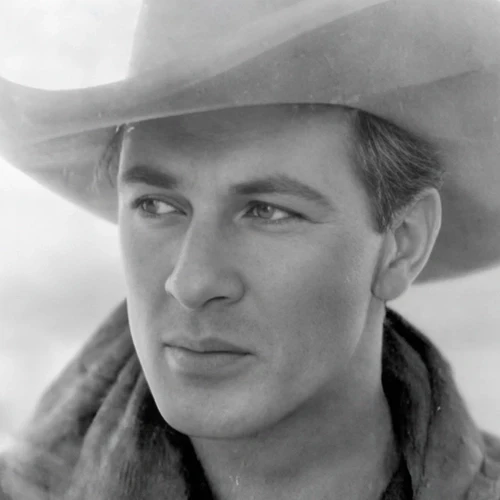
Gary Cooper was more than just a Hollywood icon; he was a cultural touchstone who embodied the ideal American hero through his remarkable radio and film performances. While primarily known as a silver screen legend, Cooper's radio career was an integral part of his broader entertainment legacy, showcasing his versatility and widespread appeal.
Early Life and Radio Beginnings
Born Frank James Cooper on May 7, 1901, in Helena, Montana, Cooper's journey to entertainment stardom was anything but conventional. Raised on a 600-acre ranch, he developed the rugged characteristics that would later define his screen persona. After briefly attending Grinnell College and exploring art, Cooper transitioned into film work, initially as a stunt rider and extra. His entry into radio came naturally as an extension of his burgeoning film career. Cooper's understated, authentic acting style translated perfectly to radio performances, where his strong, silent screen persona could be heard as clearly as it could be seen. His radio appearances were not mere side ventures but strategic extensions of his entertainment career.
Notable Radio Performances
Cooper's radio work was extensive and diverse. He appeared multiple times on the prestigious Lux Radio Theatre, a premier platform for Hollywood stars to recreate their film roles for radio audiences. Between 1935 and 1945, he participated in radio adaptations of some of his most famous films, including:
- Mr. Deeds Goes to Town (February 1, 1937)
- Meet John Doe (September 28, 1941)
- For Whom the Bell Tolls (February 12, 1945)
These performances allowed Cooper to reach audiences who might not have seen his films, further solidifying his status as a national entertainment figure.
Radio's Role in Cooper's Career Narrative
Radio was more than just a medium for Cooper; it was a critical platform for maintaining his public image. During an era when radio was the primary mass communication technology, these performances helped Cooper connect with audiences on a more intimate level. His radio appearances reinforced his screen persona as the quintessential American hero – sincere, modest, and principled.
Legacy and Influence in Broadcasting
While Cooper was primarily a film actor, his radio work was significant. He understood radio's power to humanize celebrities and used it effectively. His performances demonstrated the same qualities that made him a Hollywood legend: authenticity, understated charisma, and an ability to connect with everyday Americans. Cooper's radio legacy is intrinsically linked to his broader entertainment career. His radio performances complemented his film work, helping to create a comprehensive media persona that resonated with millions.
Works and Appearances
Radio Appearances
- Lux Radio Theatre (Multiple episodes, 1935-1945)
- The Prince Chap (April 7, 1935)
- Mr. Deeds Goes To Town (February 1, 1937)
- Meet John Doe (September 28, 1941)
- For Whom the Bell Tolls (February 12, 1945)
Film Appearances
- Westerns and Adventure Films (1925-1961)
- Dramatic Roles in Major Productions
- Notable Films: Mr. Deeds, Meet John Doe, High Noon
Other Media
- Hollywood Walk of Fame Star (February 6, 1960)
- French Legion of Honor Recipient (May 6, 1961)
Gary Cooper's radio career, while not as extensively documented as his film work, was a crucial chapter in his entertainment legacy. He transformed radio from a mere broadcast medium into a personal storytelling platform, bringing his unique brand of heroism directly into American homes.