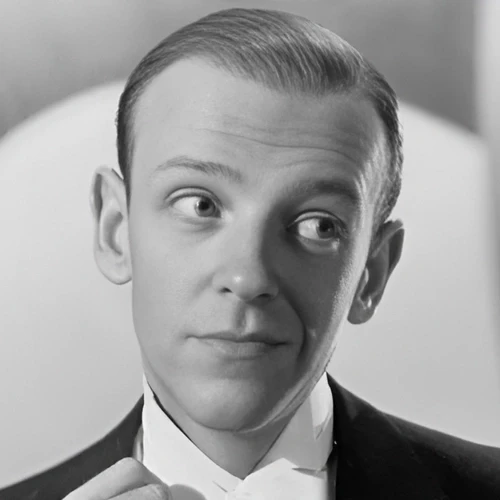
Fred Astaire was far more than just a legendary film dancer; he was also a pivotal figure in the golden age of radio broadcasting. His unique blend of musical talent, comedic timing, and infectious charm made him a beloved radio personality during the 1930s and 1940s.
Early Radio Beginnings and Musical Partnerships
Fred Astaire's radio journey began early, with his first professional performance alongside his sister Adele Astaire when he was just 5 years old. Their vaudeville dance routines captivated audiences and set the stage for his future multimedia career. Despite initially being told he "can't act" and "can't sing," Astaire would go on to become a remarkable radio performer.
The Packard Hour: Astaire's Radio Showcase
In 1936, Astaire became the headline act of The Packard Hour, a 60-minute variety program on NBC Red. The show was particularly memorable for its 3 November 1936 broadcast, which uniquely incorporated live updates on the Roosevelt-Landon presidential election. Though Astaire missed the first broadcast - with Jack Benny and Ginger Rogers filling in - he quickly became the show's central attraction.
Musical Mastery and Vocal Performances
Ironically, Astaire often claimed he couldn't sing, yet he was universally praised by musical legends. Irving Berlin considered him "as good as Jolson, Crosby or Sinatra," while Jerome Kern viewed him as the "supreme male interpreter" of songs. Songwriters like Cole Porter and Johnny Mercer admired his unique song interpretations, and he even co-wrote songs, demonstrating his musical ambitions.
Introducing Classic American Songs
Astaire was instrumental in introducing some of the most iconic songs in the Great American Songbook. His radio performances and film soundtracks brought to life classics like Cole Porter's "Night and Day", Irving Berlin's "Cheek to Cheek", and the Gershwins' "They Can't Take That Away from Me". These performances not only showcased his musical talent but also helped popularize these now-legendary compositions.
Legacy and Impact
Fred Astaire's radio career was more than just entertainment; it was a crucial platform that complemented his film work. With 17 known radio show recordings totaling over 10 hours of content, he became a multimedia star who seamlessly transitioned between stage, screen, and radio. His ability to make music with his feet and voice made him a unique entertainer of his era.
Works and Appearances
Radio
- The Packard Hour (1936-1937)
- Magic Key (with Adele Astaire)
- Screen Guild Theater (1939)
- Philco Radio Time (1948)
Film
- Dancing Lady (1933)
- Flying Down to Rio (1933)
- Top Hat (1935)
- Swing Time (1936)
Notable Collaborations
- Performed with Ginger Rogers
- Worked with choreographer Hermes Pan
- Collaborated with composers like Irving Berlin, Cole Porter, and George Gershwin
Fred Astaire's radio legacy demonstrates that he was far more than just a dancer - he was a complete entertainer who could captivate audiences through multiple mediums.