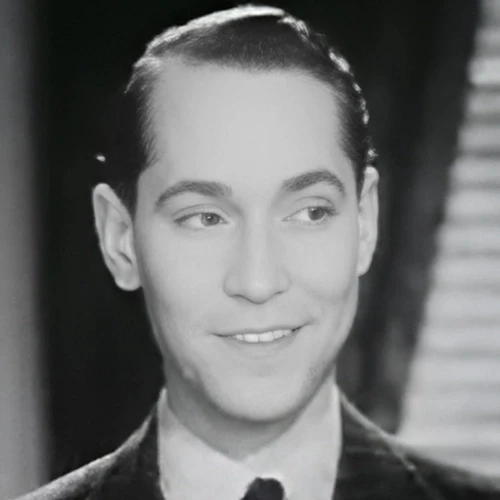
Franchot Tone was a versatile performer who seamlessly bridged the worlds of theater, radio, film, and television during the mid-20th century. Though primarily known as a Hollywood actor, his contributions to radio broadcasting were significant and often overlooked. This article explores the multifaceted career of a true entertainment renaissance man who left an indelible mark on American media.
Early Life and Theatrical Roots
Born Stanislaus Pascal Franchot Tone on February 27, 1905, in Niagara Falls, New York, he came from a wealthy and socially prominent family. Tone's early passion for performance emerged during his time at Cornell University, where he served as president of the drama club and acted in Shakespeare productions. After graduating in 1927, he boldly abandoned his family's business trajectory to pursue an acting career in New York City.
Tone quickly became immersed in the vibrant theatrical scene of the late 1920s and early 1930s. He was an active member of the Group Theatre, a revolutionary theatrical collective that emphasized innovative acting techniques. His stage performances in productions like Green Grow the Lilacs and Success Story established him as a promising young talent.
Radio and Broadcasting Career
While Tone was primarily a film and stage actor, radio played a crucial role in his entertainment career. He was a frequent guest on popular radio programs of the era, particularly Lux Radio Theatre, where he appeared in multiple dramatic adaptations. Between 1936 and 1952, Tone participated in radio productions of films like Chained, Mary of Scotland, and Each Dawn I Die.
His radio work demonstrated his remarkable versatility as a performer. Tone could seamlessly transition between dramatic roles, bringing the same nuanced approach to radio that he employed in his film and stage performances. Programs like Theatre Guild on the Air and Broadway Playhouse featured his distinctive voice and interpretative skills.
Transition to Television and Later Media
As television emerged as a dominant medium, Tone adeptly adapted his performance style. He became a prolific television actor, appearing in numerous anthology series and dramatic productions. Notable television appearances included Studio One's "Twelve Angry Men", Alfred Hitchcock Presents, and a substantial recurring role in Ben Casey, where he played Dr. Daniel Niles Freeland for 27 episodes.
Tone's television work showcased his ability to reinvent himself across different media platforms. He brought the same sophisticated charm and dramatic depth to television that had characterized his earlier film and radio performances. His willingness to embrace new media formats demonstrated his professional adaptability.
Legacy and Influence
Franchot Tone's legacy extends far beyond his individual performances. He was part of a generation of performers who helped shape modern entertainment, bridging the gap between stage, radio, film, and television. His versatility made him a quintessential mid-20th century performer, equally comfortable in dramatic and lighter roles.
Recognized for his contributions, Tone received a star on the Hollywood Walk of Fame on February 8, 1960. Though he passed away on September 18, 1968, his body of work continues to be celebrated by film and radio historians.
Works and Appearances
Radio
- Lux Radio Theatre (1936-1952)
- Adaptations of Chained, Mary of Scotland, Each Dawn I Die
Theatre Guild on the Air (1952)Broadway Playhouse (1953)Television
- Studio One - Juror No. 3 in "Twelve Angry Men" (1954)
- Ben Casey - Dr. Daniel Niles Freeland (27 episodes, 1965-1966)
- Alfred Hitchcock Presents (1959)
- The Twilight Zone - Colonel Archie Taylor (1961)
Film
- Mutiny on the Bounty (1935)
- Dangerous (1935)
- Three Comrades (1938)
- Phantom Lady (1944)
Theater
- Green Grow the Lilacs (1931)
- Success Story (1932)
- Oh, Men! Oh, Women! (1953-1954)
- A Moon for the Misbegotten (1957)