Frances Chaney
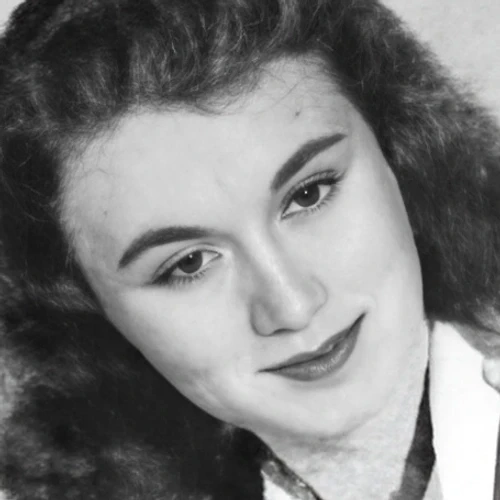
In the vibrant world of mid-20th century broadcasting, Frances Chaney emerged as a talented and resilient radio actress whose career was both remarkable and tragically interrupted by the political tensions of her era. Born Fanya Lipetz in 1915, Chaney would become a prominent voice in radio, navigating the challenges of the entertainment industry with grace and determination.
Early Life and Transformation
Frances Chaney's journey began in Odessa, Russian Empire, where she was born to Leon Lipetz. Her family's path was one of migration and adaptation, first moving to Istanbul, where she began her education in an English school, and eventually settling in the Bronx, New York City. The young Fanya Lipetz was driven by artistic ambition, dropping out of school to work at Macy's department store while pursuing her passion for acting. Her breakthrough came through an evening apprenticeship at a theater in New York City, which led to a scholarship at the Neighborhood Playhouse School. It was here that she made a strategic decision that would shape her early career: changing her name from Fanya Lipetz to Frances Chaney. She believed this anglicized name would improve her chances of being hired by producers, reflecting the complex cultural landscape of mid-20th century entertainment.
Radio: A Rising Star
Chaney quickly established herself as a versatile and talented radio performer. Her voice graced numerous popular programs, including Gangbusters and Terry and the Pirates. During World War II, she demonstrated remarkable commitment, frequently sacrificing high-paying roles to appear on Armed Forces Radio Service programs. An article in Radio Romances noted her dedication, highlighting how she prioritized Assignment Home series over other opportunities. Her radio repertoire was impressively diverse. She co-starred in House in the Country, a serial on NBC-Blue from 1941-1942, and took on roles like Malvena Topper in various radio productions. Chaney's ability to inhabit different characters made her a sought-after talent in the golden age of radio broadcasting.
Blacklisting and Professional Challenges
The political climate of the 1950s would dramatically alter Chaney's career trajectory. Her husband, Ring Lardner Jr., was a blacklisted writer, and Frances herself became a victim of the era's political persecution. After appearing in the "Holiday Song" episode of a television program in 1952, she was systematically excluded from future work. Her son, James Lardner, would later write about this painful period, noting that his mother became "unemployable in radio where she had been a star." The blacklisting was swift and devastating; when the "Holiday Song" episode was rebroadcast in 1953, Chaney was the only original cast member not rehired. This professional exile would last nearly a decade, a testament to the brutal impact of political witch hunts on artistic careers.
Personal Life and Later Career
Despite professional challenges, Chaney's personal life was rich and complex. Her first marriage was to David Lardner, a war correspondent who was tragically killed in France during World War II. In 1946, she married Ring Lardner Jr., with whom she had another son, remaining together until his death in 2000. In her later years, Chaney transitioned to television and film, appearing in movies like When Harry Met Sally... and The Seven-Ups. Her resilience was evident in her continued pursuit of acting, even after the significant disruption caused by the blacklisting.
Legacy and Impact
Frances Chaney represents a powerful narrative of artistic perseverance during one of the most politically charged periods in American entertainment history. Her story is not just about a talented radio actress, but about the human cost of political intolerance. She continued to work and create, refusing to be defined by the challenges she faced.
Works and Appearances
Radio
- House in the Country (1941-1942)
- Gangbusters
- Terry and the Pirates
- Assignment Home series
Television
- Philco Playhouse (1952-1953)
- Recurring role in an unnamed soap opera (10-year run)
Film
- The Underworld Story (1951)
- When I Grow Up (1951)
- The Seven-Ups (1973)
- When Harry Met Sally... (1989)
- Life with Mikey (1993)
Stage
- Golda (1977)
- The Lovers (1955)
Frances Chaney passed away on November 23, 2004, in New York City, leaving behind a complex legacy of artistic achievement and political resistance.