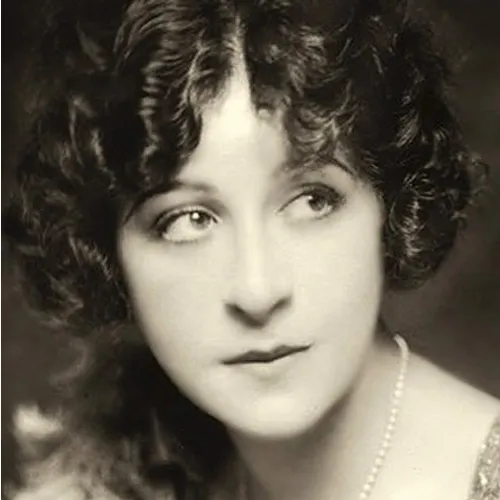
In the golden age of radio, few performers captured the hearts of American audiences quite like Fanny Brice. A comedic genius who transcended the boundaries of vaudeville, radio, and early film, Brice became an iconic figure of 20th-century entertainment, best known for her unforgettable character Baby Snooks and her remarkable ability to make audiences laugh.
From Manhattan to Stardom: The Early Years
Born Fania Borach on October 29, 1891, in Manhattan, New York, Brice emerged from a working-class Jewish immigrant family. Her parents, Rose and Charles Borach, ran a modest business, providing little indication of the extraordinary entertainment career their daughter would pursue. In 1908, Brice made a pivotal decision that would change her life forever: she dropped out of school to pursue a career in entertainment. Her early years were marked by determination and raw talent. By 1910, she had begun her association with Florenz Ziegfeld, headlining his famous Ziegfeld Follies. Her breakthrough came in the 1921 Follies, where she introduced two songs that would become her signature: "My Man" and "Second Hand Rose". These performances not only showcased her comedic brilliance but also established her as a unique voice in American entertainment.
The Radio Revolution: Baby Snooks Takes Center Stage
Brice's transition to radio was nothing short of revolutionary. Her first radio show, the Philco Hour, aired in February 1930. However, it was her creation of the Baby Snooks character that would cement her radio legacy. Premiering in a Follies skit, Baby Snooks was a bratty, mischievous toddler who would become one of the most beloved radio characters of her time. The Baby Snooks Show became a nationwide sensation. Produced by Everett Freeman, the show featured Hanley Stafford as Snooks' long-suffering "Daddy". Brice's comedic timing and vocal versatility brought the character to life, making Baby Snooks a household name. The show ran on various networks, including CBS and NBC, from the mid-1930s until Brice's death in 1951.
Beyond the Microphone: A Multifaceted Entertainer
While radio was her primary medium, Brice was far from a one-dimensional performer. She appeared in several films, including Fioretta and Be Yourself. Notably, she was one of the few original Ziegfeld performers to portray herself in films like The Great Ziegfeld (1936). Her personal life was as dramatic as her performances. She was married three times, most famously to Julius "Nicky" Arnstein, a professional gambler whose legal troubles became the inspiration for the musical Funny Girl. Barbra Streisand would later immortalize Brice in this production, winning an Academy Award for her portrayal.
Legacy and Lasting Impact
Fanny Brice passed away on May 29, 1951, from a cerebral hemorrhage. Yet her influence far outlived her. She was posthumously inducted into the Hollywood Walk of Fame with two stars - one for film and one for radio. Her unique brand of comedy influenced generations of performers, and her character Baby Snooks became a template for future comedic characters. Her legacy extends beyond entertainment. In 1991, she was featured on a first-class postage stamp as part of a "Comedian Commemorative Issue" - the only woman included. Her life and work continue to inspire performers and historians alike.
Works and Appearances
Radio
- Philco Hour (1930)
- Baby Snooks Show (1936-1951)
- Character: Baby Snooks
- Networks: CBS, NBC
Maxwell House Coffee TimeFilm
- Fioretta
- Be Yourself
- The Great Ziegfeld (1936) - as herself
- Ziegfeld Follies (1946) - as herself
Stage
- Ziegfeld Follies (multiple years, 1910-1930s)
- Crazy Quilt
Television
- Popsicle Parade of Stars (June 12, 1950) - as Baby Snooks