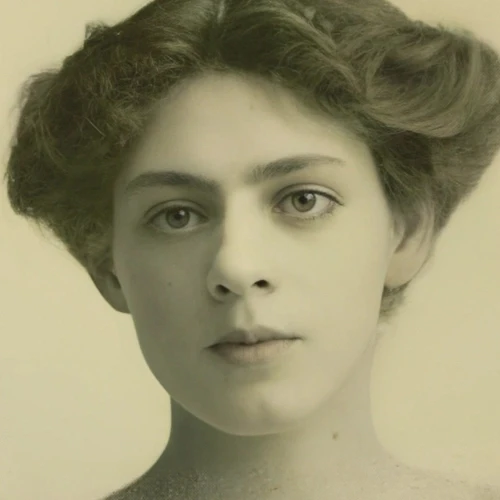
Ethel Barrymore
In the golden age of American entertainment, few personalities shone as brightly as Ethel Barrymore. A member of the legendary Barrymore acting dynasty, she was not just a stage icon but also a pioneering radio performer who captivated audiences across multiple mediums. Her distinctive voice and commanding presence made her a true broadcasting legend of the early 20th century.
The Making of a Radio Star
Born Ethel Mae Blythe on August 15, 1879, in Philadelphia, Barrymore was destined for the spotlight. Coming from a family of renowned actors, including her brothers John and Lionel Barrymore, she was practically raised in the theatrical world. Her first significant radio moment came in 1923 when the first act of The Laughing Lady was broadcast to an estimated 750,000 listeners, marking her entry into the emerging medium of radio broadcasting. Barrymore's radio career was characterized by her versatility and dramatic prowess. In 1944-1945, she starred in Miss Hattie, a short-lived situation comedy that showcased her ability to adapt to the radio format. One memorable episode featured her character being asked to direct a play to raise money for war bonds, demonstrating the era's patriotic spirit.
Pioneering Performances and Collaborations
Throughout the 1940s, Barrymore continued to make significant radio appearances. A notable highlight was her starring role alongside Gene Kelly in a June 1, 1949 episode of Suspense entitled "To Find Help". Her radio work was not just a side venture but a serious artistic endeavor that complemented her stage and film careers. Barrymore's radio performances were marked by her theatrical training and ability to convey complex emotions through voice alone. Her background in stage acting gave her a unique advantage in radio, where nuance and vocal expression were paramount. She brought the same intensity and depth to her radio roles that she was known for on stage and screen.
Beyond Radio: A Multimedia Career
While radio was an important medium for Barrymore, it was just one facet of her remarkable career. She was a celebrated stage actress, winning an Academy Award for Best Supporting Actress in 1944. Her film career included notable appearances in movies like None But the Lonely Heart (1944) and The Spiral Staircase (1946). In her later years, Barrymore also ventured into television, making memorable appearances such as a guest spot on What's My Line in 1952. Her ability to transition between different media platforms demonstrated her remarkable adaptability as a performer.
Legacy and Impact
Ethel Barrymore was more than just an actress; she was a cultural icon. Known as "The First Lady of the American Theatre", she was posthumously inducted into the Hollywood Walk of Fame in 1960. Her contributions to entertainment extended beyond her performances, as she was also a supporter of actors' rights, playing a significant role in the Actors' Equity strike of 1919. Her legacy continues to inspire generations of performers. A crater on Venus even bears her name, a testament to her enduring impact on American culture.
Works and Appearances
Radio
- The Laughing Lady (1923)
- Miss Hattie (1944-1945)
- Suspense - "To Find Help" (1949)
Television
- What's My Line (Guest, 1952)
- All Star Revue (Appearance, 1951)
- Ethel Barrymore Theatre (Host, 1956)
Film
- None But the Lonely Heart (1944)
- The Spiral Staircase (1946)
- Portrait of Jennie (1948)
- Johnny Belinda (1948)
- Young at Heart (1954)
- Main Street to Broadway (1953)
- Kind Lady (1951)
Stage
- Captain Jinks of the Horse Marines (1901)
- The Kingdom of God (1928)
- Numerous Broadway productions throughout her career
Heard in