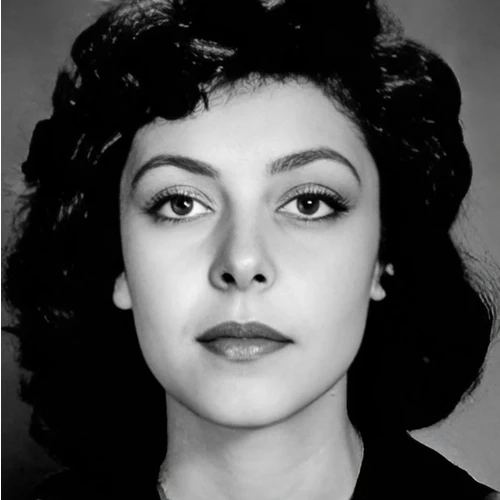
Elaine May
An American film director, screenwriter and actress. She achieved her greatest fame in the 1950s from her improvisational comedy routines in partnership with Mike Nichols. She is a two-time Academy Award-nominated screenwriter and also the mother of Oscar nominee Jeannie Berlin.
Elaine May stands as a revolutionary figure in American comedy, whose innovative approach to performance transcended traditional boundaries of humor and storytelling. A multifaceted artist who defied categorization, May emerged as a groundbreaking comedian, writer, director, and actress whose influence stretched far beyond the conventional limits of her time.
Early Life and Theatrical Roots
Born Elaine Iva Berlin on April 21, 1932, in Philadelphia, Pennsylvania, May was destined for performance from her earliest years. The daughter of Jewish parents - theater director Jack Berlin and actress Ida Berlin - she began her stage career remarkably early. Her theatrical debut occurred at just three years old, traveling with her father's traveling theater company and even playing the character of a generic little boy named Benny.
May's childhood was anything but conventional. By the age of ten, she had been enrolled in over fifty schools, spending mere weeks at each location due to her family's extensive touring. This nomadic lifestyle shaped her perspective, with May herself admitting she disliked traditional schooling, preferring instead to spend her free time reading fairy tales and mythology.
Tragedy struck when May was eleven, with her father's death prompting a move to Los Angeles with her mother. Her educational journey was unconventional - she dropped out of school at fourteen and married at sixteen to Marvin May, an engineer and toy inventor.
The Rise of a Comedy Innovator
May's true artistic breakthrough came in 1955 when she joined the Compass Players in Chicago, an improvisational theater group that would become legendary. It was here that she met Mike Nichols, forming what would become one of the most celebrated comedy duos in American entertainment history.
Their partnership was extraordinary. Nichols and May developed a unique improvisational style that captured the anxieties and nuances of urban life. Their comedy was intelligent, sophisticated, and groundbreaking, challenging the traditional comedic formats of the 1950s. They performed in New York clubs, appeared on television and radio, and released multiple comedy albums, even winning a Grammy in 1962.
Breaking Barriers in Performance and Filmmaking
May's career trajectory was remarkable. She wasn't content to be merely a comedian; she became a pioneering filmmaker and screenwriter. In 1971, she became the first female director with a Hollywood deal in years, directing the black screwball comedy A New Leaf. Her directorial work was fearless, experimenting with genres like dark romantic comedy, gangster films, and adventure comedies.
As a screenwriter, May earned significant acclaim. She wrote screenplays for films like Heaven Can Wait and Primary Colors, receiving Oscar nominations and winning critical praise. Her writing was characterized by a sharp, incisive wit that challenged conventional storytelling.
A Multifaceted Legacy of Performance
May's artistic contributions extended beyond comedy and film. She continued to act, winning a Tony Award in 2019 for her performance in The Waverly Gallery, becoming the second-oldest performer to win a Tony Award for acting. Her long and varied career was recognized with numerous honors, including the National Medal of Arts from President Obama in 2013.
Her impact on comedy and performance was profound. Comedians like Lily Tomlin cited her as a direct inspiration, praising her unique voice, timing, and attitude. May broke psychological restrictions on women's comedy, often portraying sophisticated characters that defied stereotypical female roles.
Conclusion: An Uncompromising Artistic Vision
Elaine May's career represents more than just comedic achievement; it embodies artistic fearlessness. Her ability to reinvent herself across multiple disciplines - from improvisational comedy to screenwriting and directing - marks her as a true innovator. She challenged expectations, elevated humor to an art form, and paved the way for future generations of comedians and filmmakers.
Works and Appearances
Radio
- An Evening with Mike Nichols and Elaine May (Comedy Album, 1962)
Stage
- Adaptation (Playwright, 1969)
- The Waverly Gallery (Actor, 2019)
Film (as Director)
- A New Leaf (1971)
- The Heartbreak Kid (1972)
- Mikey and Nicky (1976)
- Ishtar (1987)
Film (as Screenwriter)
- Heaven Can Wait (1978)
- Primary Colors (1998)
Television
- Crisis in Six Scenes (Woody Allen series, 2016)
Awards
- Grammy Award (1962)
- Tony Award (2019)
- National Medal of Arts (2013)
- Honorary Oscar (2022)