Donald Crisp
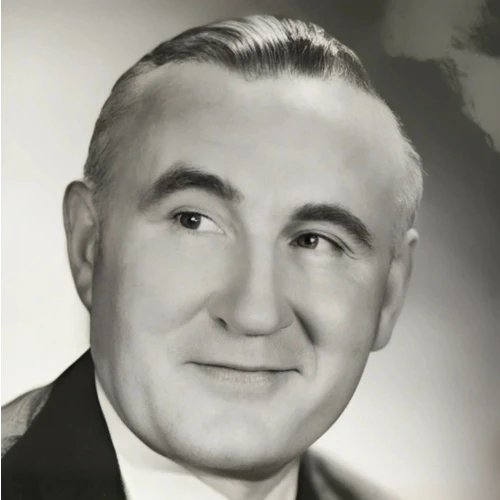
An English film actor. He was also an early producer, director and screenwriter of films. He won an Academy Award for Best Supporting Actor in 1942 for his performance in How Green Was My Valley.
Donald Crisp was a multifaceted entertainment professional whose remarkable career spanned the early days of radio, silent films, and the golden age of Hollywood. His journey from the stages of London to the soundstages of California represents a fascinating narrative of artistic transformation and enduring talent.
Early Life and Theatrical Beginnings
Born George William Crisp on July 27, 1882, in Bow, London, England, Donald Crisp emerged from humble beginnings. The youngest of ten children, Crisp's early life was marked by an entrepreneurial spirit and a passion for performance. While he claimed various backgrounds throughout his life - including being a Scottish native, which was later proven false - his true origins were firmly rooted in working-class London.
Entry into Performance and Radio
Crisp's professional journey began dramatically when his singing talents caught the attention of John C. Fisher during a ship's concert while traveling to the United States in July 1906. This serendipitous moment launched his career in entertainment, initially working in theater and gradually transitioning into emerging media platforms. By 1910, Crisp was working as a performer and had begun using the name Donald. His connections in the entertainment world, particularly with renowned film director D.W. Griffith, would prove instrumental in his career development.
Radio and Early Multimedia Career
While specific details about Crisp's radio work are limited in the provided sources, his versatility as a performer made him well-suited to the medium. His theatrical background and ability to portray diverse characters would have been valuable assets in radio broadcasting. From 1908 to 1930, Crisp was actively involved in multiple entertainment sectors, directing nearly 100 silent films and appearing in numerous productions.
Transition to Hollywood and Cinematic Success
Crisp's career truly flourished in Hollywood, where he became a respected actor, director, and industry insider. He worked extensively with D.W. Griffith, appearing in landmark films like The Birth of a Nation (1915) and Broken Blossoms (1919). His directing career was equally impressive, with approximately 70 films to his credit, including notable works like Little Country Mouse (1914).
Legacy and Recognition
Crisp's most celebrated achievement came in 1942 when he won an Academy Award for Best Supporting Actor for his role in How Green Was My Valley. His versatility allowed him to excel in both lovable and complex character roles, making him a highly sought-after actor throughout the 1930s and 1940s.
Conclusion
Donald Crisp's career exemplifies the dynamic nature of early 20th-century entertainment. From stage to radio, silent films to talkies, he adapted and thrived, leaving an indelible mark on American cinema and performance.
Works and Appearances
Radio
- NBC University Theater broadcast of "How Green Was My Valley" (1949)
- "Suspense" radio episodes in 1943 and 1944
- Lux Theater production of "Knute Rockne, All-American" (1940) as "Father John Callahan"
Film
- The Birth of a Nation (1915) - Role: Various
- Broken Blossoms (1919) - Role: "Battling Burrows"
- How Green Was My Valley (1941) - Role: Supporting Actor (Oscar-winning performance)
- Spencer's Mountain (1963) - Role: Grandpa Spencer (final film role)
Directing
- Little Country Mouse (1914) - First directing credit
- Directed approximately 70 films between 1914-1930
Theater
- Early career performances in theatrical productions (specific details not provided)