Don Voorhees
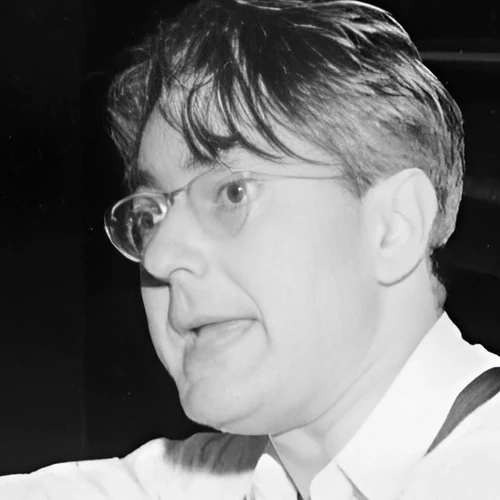
In the golden age of radio and television, few musical conductors left as indelible a mark on American entertainment as Donald Voorhees. A versatile musician, conductor, and composer, Voorhees became a pivotal figure in broadcasting, leading some of the most beloved musical programs of the mid-20th century.
Early Musical Beginnings
Born on July 26, 1903, in Allentown, Pennsylvania, Donald Voorhees discovered his musical passion early. Growing up in a time of rapid technological and cultural transformation, he would soon become a pioneer in musical broadcasting. After completing his local education, Voorhees began his professional journey by forming his own orchestra in 1926 . This early orchestra was more than just a musical ensemble; it was a launching pad for Voorhees' remarkable career. He not only conducted but also played piano in the orchestra's initial recordings, demonstrating his multi-instrumental talents. The orchestra recorded for several labels, showcasing Voorhees' versatility and musical prowess.
Radio's Rising Star
Voorhees' transition from orchestra leader to radio personality marked a significant turning point in his career. In 1931, he left his orchestra to pursue radio broadcasting, quickly establishing himself as a sought-after musical director. His first major radio breakthrough came with Ed Wynn'sThe Texaco Fire Chief Show, where he began to make his mark in the entertainment industry. Throughout the 1930s and 1940s, Voorhees became a staple of radio programming. He performed on various shows, including Captain Henry's Show Boat in 1933, gradually building a reputation for musical excellence. His most significant radio achievement came with the Bell Telephone Hour, where he served as musical director and conductor from 1935 to 1941, and again from 1949 to 1953.
Television and Musical Leadership
As television emerged, Voorhees seamlessly transitioned between mediums. He continued his work with the Bell Telephone Hour, conducting the program from its radio inception in 1942 until its final television episode in 1968. His dedication and musical brilliance were recognized when he received an Emmy nomination in 1966 for "Individual Achievements in Music". Beyond television, Voorhees made significant contributions to classical music. He became the first conductor of the Allentown Symphony Orchestra in his home state, serving as conductor and musical director from the orchestra's inception in 1951 until 1983 - a remarkable 32-year tenure that solidified his legacy in classical music.
Personal Life and Legacy
Despite his professional achievements, Voorhees maintained a relatively private personal life. He was a resident of Stone Harbor, New Jersey, where he continued to be involved in musical pursuits. On January 10, 1989, he passed away in Cape May Court House, New Jersey, leaving behind a rich musical legacy that spanned radio, television, and classical performance. Donald Voorhees represented the quintessential mid-century musical conductor - adaptable, talented, and integral to the entertainment landscape. His ability to navigate multiple musical platforms, from radio orchestras to television programs and symphony orchestras, made him a unique and influential figure in 20th-century American music.
Works and Appearances
Radio
- The Texaco Fire Chief Show (1931)
- Captain Henry's Show Boat (1933)
- Bell Telephone Hour (Musical Director, 1935-1941, 1949-1953)
Television
- Bell Telephone Hour (Conductor, 1942-1968)
- Emmy Nomination for "Individual Achievements in Music" (1966)
Orchestral Performances
- Allentown Symphony Orchestra (Conductor and Musical Director, 1951-1983)
Recordings
- Recorded with multiple record labels in the late 1920s
- Performed as both conductor and pianist in early orchestra recordings