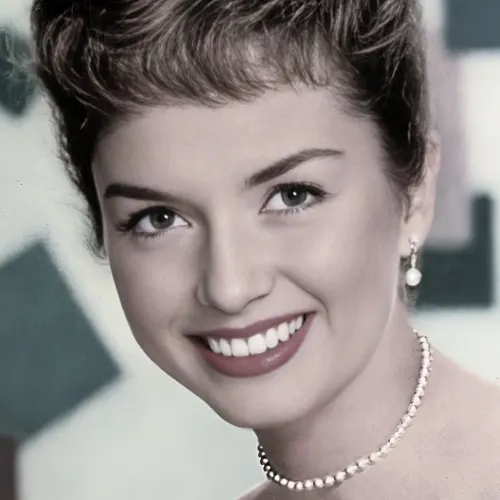
Debbie Reynolds, born Mary Frances Reynolds on April 1, 1932, in El Paso, Texas, was a multifaceted entertainer whose career spanned multiple media platforms. While primarily known for her film and television work, Reynolds also made notable contributions to radio broadcasting during the golden age of entertainment. Her radio career began early in her professional journey, coinciding with her rising popularity in Hollywood. One of her significant radio appearances was on the Lux Radio Theatre, a prestigious program that adapted popular films for radio audiences.
Lux Radio Theatre Performance
On September 8, 1952, Reynolds appeared on Lux Radio Theatre in an adaptation of Two Weeks with Love. This performance was particularly significant as it came at a pivotal moment in her career, shortly after her breakout role in the iconic film Singin' in the Rain.
Broadcasting Style and Significance
Reynolds' radio work was an extension of her vibrant performing style. Known for her dynamic personality and versatile talents, she brought the same energy to radio that characterized her film and stage performances. Her ability to translate visual performances into compelling audio experiences made her a natural fit for radio adaptations.
Legacy in Radio Broadcasting
While radio was not her primary medium, Reynolds' appearances demonstrated the interconnected nature of entertainment platforms during the mid-20th century. Her participation in programs like Lux Radio Theatre helped bridge the gap between cinema and radio, bringing film narratives to audiences through a different sensory experience.
Conclusion
Debbie Reynolds' radio work, though relatively brief, was part of her broader artistic journey. It reflected the multimedia nature of entertainment in her era and showcased her adaptability as a performer.
Works and Appearances: Radio
Radio Broadcasts
- Lux Radio Theatre (September 8, 1952)
- Adaptation of Two Weeks with Love
Reynolds' radio legacy, while not extensive, was an important chapter in her remarkable entertainment career, demonstrating her versatility and the dynamic media landscape of the 1950s.