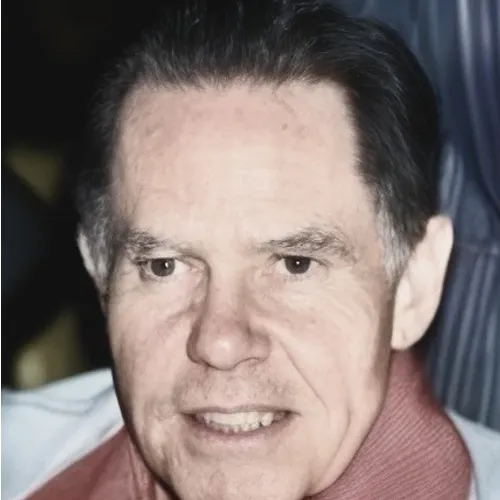
Daws Butler
In the vibrant world of mid-20th century animation and radio, few voices were as distinctive and influential as Daws Butler. A master of vocal characterization, Butler transformed the landscape of animated entertainment, breathing life into some of the most beloved cartoon characters in American pop culture. His remarkable talent would span decades, touching multiple generations of audiences and inspiring countless voice actors who followed in his footsteps.
Early Life and Theatrical Beginnings
Born Charles Dawson Butler on November 16, 1916, in Toledo, Ohio, he was the only child of Charles Allen and Ruth Butler. From an early age, Butler showed a remarkable gift for impersonation, using this skill initially as a way to overcome his natural shyness. In 1935, he began performing as an entertainer, entering and winning multiple amateur contests not to showcase his talent, but as a personal challenge to himself. Butler's early performance career took a significant turn when he teamed up with Jack Lavin and Willard Ovitz to form the comedy trio The Three Short Waves. The group performed in theaters, radio, and nightclubs, earning positive reviews from regional critics. However, their collaboration was cut short when Butler joined the military as America entered World War II.
Breaking into Voice Acting
Butler's transition into voice acting began with an animated short called Short Snorts on Sports in 1948. His big break came when he was hired to provide the voice of a British wolf for Walter Lantz and to narrate several cartoons. Throughout the late 1940s and mid-1950s, he worked extensively with legendary animator Tex Avery, creating memorable characters in numerous cartoon shorts. A pivotal moment in Butler's career came in 1957 when Hanna-Barbera was formed. Along with his longtime collaborator Don Messick, Butler became instrumental in defining the studio's early character voices. He played title roles in shows like Huckleberry Hound, Quick Draw McGraw, and Yogi Bear, establishing himself as a cornerstone of animated entertainment.
Expanding His Vocal Range
Butler's incredible versatility allowed him to voice multiple characters in a single production. In Wacky Races, he provided voices for several racers, including Rock Slag, Big Gruesome, the Red Max, Sgt. Blast, Peter Perfect, and Rufus Ruffcut. During the 1970s, he continued to be prolific, voicing characters in shows like Hair Bear Bunch, C.B. Bears, and Laff-A-Lympics. Beyond animation, Butler was also involved in children's records, collaborating with other voice actors to recreate Disney cartoons and films. His range and adaptability made him a sought-after talent in the entertainment industry.
Legacy and Influence
Perhaps Butler's most significant contribution was his commitment to training the next generation of voice actors. In 1975, he established an acting workshop that produced numerous talented performers, including June Foray, Nancy Cartwright, and Joe Bevilacqua. Many of his protégés went on to become legendary voice actors in their own right, ensuring that Butler's artistic legacy would continue long after his career. Butler passed away on May 18, 1988, in Los Angeles, leaving behind an unparalleled body of work. Many of his roles were subsequently assumed by Joe Bevilacqua, whom Butler had personally trained.
Works and Appearances
Radio
- Various amateur and professional performances with The Three Short Waves (1935-1941)
Animation Voice Work
- Short Snorts on Sports (1948)
- Huckleberry Hound (Title Role)
- Quick Draw McGraw (Title Role)
- Yogi Bear (Title Role)
- Wacky Races (Multiple Characters)
- Hair Bear Bunch
- C.B. Bears
- Laff-A-Lympics
Television
- Guest appearance on Secret Agent Magoo (1977)
Records
- "Bingo, Ringo" (1964)
- Various Disney cartoon recreations
- Children's record narrations
Daws Butler's extraordinary vocal talents transformed the world of animation, creating characters that would become cultural icons and inspiring generations of voice actors to push the boundaries of their craft.