Count Basie
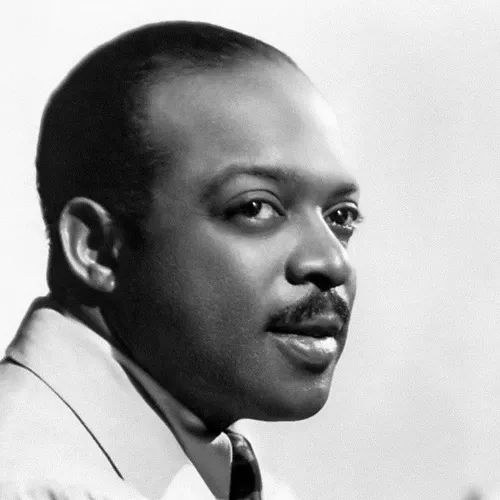
An American jazz pianist, organist, bandleader, and composer. His mother first taught him piano and he started performing in his teens. Dropping out of school, he learned to operate lights for vaudeville and to improvise accompaniment for silent films at a local movie theater in his town of Red Bank, New Jersey.
William James "Count" Basie emerged as a revolutionary figure in jazz and radio broadcasting, transforming the musical landscape of mid-20th century America. His innovative approach to big band music and radio performances made him a legendary icon of the swing era, bridging musical genres and captivating audiences nationwide.
Early Life and Musical Beginnings
Born in Red Bank, New Jersey on August 21, 1904, William Basie discovered his musical passion early. In the 1920s, he began his journey in Harlem, a vibrant hub of musical innovation. Working at Leroy's, a renowned venue for piano players, Basie honed his skills and met influential musicians like Fats Waller, who taught him organ playing. Basie's early career involved touring extensively on vaudeville circuits, accompanying blues singers, dancers, and comedians. These experiences provided crucial training that would shape his future musical career. By the mid-1920s, he was already establishing connections with prominent jazz musicians and developing his unique musical style.
Rise of the Barons of Rhythm
In 1935, after playing with Bennie Moten's band, Basie formed his own group called the Barons of Rhythm. It was during a radio broadcast that an announcer first called him "Count" Basie, a nickname that would become legendary. The band became regulars at the Reno Club, often performing live radio broadcasts that helped spread their innovative sound. Basie's band was revolutionary, featuring an exceptional rhythm section and a groundbreaking two-tenor saxophone arrangement. This innovative approach set them apart from other big bands of the era. Their performances were characterized by improvisation and a distinctive, infectious rhythmic beat that would define the swing era.
Radio and Recording Breakthroughs
The late 1930s marked a significant period for Basie's radio and recording career. John Hammond, a prominent music producer, discovered Basie's band on the radio and arranged their first recording session in 1936. These recordings, including classics like "Shoe Shine Boy" and "Oh Lady Be Good", were groundbreaking. Throughout the 1940s and 1950s, Basie continued to innovate. Despite challenges like World War II and changing musical tastes, he maintained a big band that remained popular and influential. His radio performances and recordings featured collaborations with legendary vocalists like Billie Holiday, Joe Williams, and Frank Sinatra.
Legacy and Cultural Impact
Count Basie's influence extended far beyond music. He introduced multiple generations to the big band sound and was remembered as a considerate, modest, and enthusiastic musician. His philosophy was simple: the band should "swing easy, like cutting butter". Basie received numerous honors, including an honorary doctorate from Berklee College of Music in 1974 and induction into multiple halls of fame. Streets in Red Bank and New York were named in his honor, and even an asteroid was named after him.
Conclusion
Count Basie revolutionized jazz and radio broadcasting, creating a musical legacy that transcended generations. His innovative approach to big band music, distinctive radio performances, and commitment to musical excellence made him a true American icon.
Works and Appearances
Radio
- Reno Club Broadcasts (1930s)
- Various live radio performances with Barons of Rhythm
Recordings
- Jones-Smith Incorporated recordings (1936)
- The Count Basie Story (1959)
- Numerous collaborations with vocalists
Television
- Various television specials and performances (1950s-1960s)
Film
- Reveille With Beverly (1942)
- Stage Door Canteen (1943)
- Multiple musical short films
Live Performances
- Numerous tours in United States and internationally
- Cavalcade of Jazz concerts (1945, 1954)