Cornelia Otis Skinner
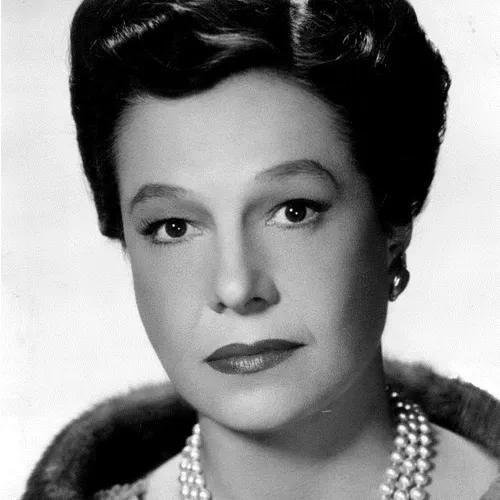
In the vibrant landscape of mid-20th century entertainment, Cornelia Otis Skinner emerged as a remarkable multi-talented artist whose innovative performances transcended traditional media boundaries. A writer, actress, and radio personality, Skinner carved a unique niche in American cultural history through her extraordinary one-woman shows and witty literary works.
Early Life and Theatrical Roots
Born on May 30, 1899, in Chicago, Illinois, Cornelia Otis Skinner was destined for the stage. The only child of renowned actor Otis Skinner and actress Maud Durbin, she was immersed in theatrical traditions from her earliest years. Her familial background provided a rich artistic environment that would profoundly shape her future career. After attending an all-girls school and studying theatre, Skinner made her professional stage debut on September 20, 1921, performing as Dona Sarasate in a production alongside her father at the Empire Theatre in New York.
Pioneering the One-Woman Performance
Skinner's most significant contribution to performance art was her development of innovative "monologue-dramas." Between 1926 and 1929, she toured the United States presenting a groundbreaking one-woman show featuring character sketches she had personally written. These performances were revolutionary, extending the concept of linked monologues into full-length dramatic presentations based on historical figures. Her unique approach was described by scholars as a "unique and important contribution to the one-person show in America."
Radio and Multimedia Career
Skinner's talents extended seamlessly into radio broadcasting. In 1939, she appeared in Orson Welles' radio play American Cavalcade: The Things We Have, demonstrating her versatility across performance mediums. Her radio work complemented her stage performances, allowing her to reach broader audiences with her distinctive storytelling style. She also collaborated with Emily Kimbrough on various projects, including a European tour memoir that was later adapted for film and television.
Literary Achievements and Personal Expression
Beyond performance, Skinner was a prolific writer. She published numerous essay compilations including Nuts in May, Dithers and Jitters, and Excuse It, Please!, which showcased her sharp wit and observational humor. Her literary work often drew from personal experiences, creating intimate and engaging narratives. She also wrote biographies, including Madame Sarah about Sarah Bernhardt and Elegant Wits and Grand Horizontals, exploring Parisian cultural history.
Legacy and Influence
Cornelia Otis Skinner's multifaceted career bridged performance art, literature, and broadcasting. Her innovative one-woman shows challenged theatrical conventions, while her writing captured the social nuances of mid-20th century American life. She demonstrated remarkable versatility, moving effortlessly between stage, radio, and written mediums. Her ability to create compelling character studies and humorous observations made her a unique cultural figure of her era.
Works and Appearances
Radio
- American Cavalcade: The Things We Have (1939) - Multiple roles
- Various guest appearances on radio programs
Stage
- Paris '90 (1952) - One-woman show, 13 characters
- The Pleasure of His Company (1958)
- Candida (1939)
Television
- The Ed Sullivan Show (Multiple episodes, 1950-1953)
- The Girls (1950) TV series
- The Farmer's Daughter (1962)
Film
- The Uninvited (1943)
- The Cobweb (1955)
Books (Non-Fiction)
- Nuts in May (1950)
- Family Circle (1948)
- Madame Sarah (1967)
- Elegant Wits and Grand Horizontals (1962)
Cornelia Otis Skinner passed away on July 9, 1979, leaving behind a rich legacy of performance, writing, and artistic innovation that continues to inspire performers and writers today.