Brace Beemer
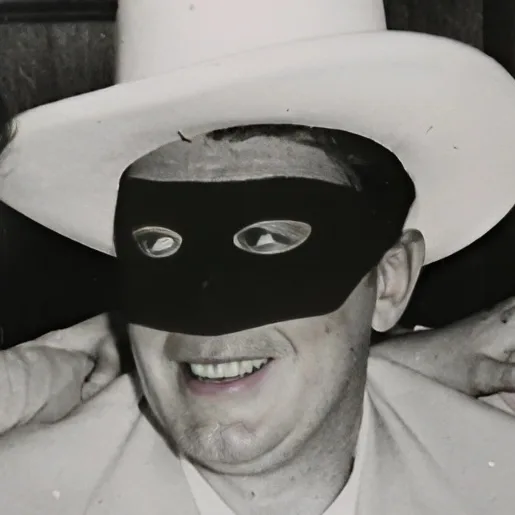
In the golden age of radio, few voices were as iconic and instantly recognizable as that of Brace Beemer, the legendary radio actor who brought the Lone Ranger to life for over a decade. From the rolling plains of Illinois to the airwaves that captivated millions, Beemer's journey was as remarkable as the character he portrayed.
Early Years and Military Service
Born on December 9, 1902, in Mount Carmel, Illinois, Brace Bell Beemer emerged from humble beginnings on Cherry Street. The son of Joseph D. Beemer and Bertina Bell Beemer, he demonstrated an early spirit of adventure and determination. At the remarkably young age of 14, Beemer boldly misrepresented his age to enlist in military service during World War I. His courage was quickly recognized, and he became the youngest sergeant in his unit, serving with "Battery E, 150th field artillery" and earning a Purple Heart after being wounded in action in France on May 27, 1918 .
The Rise of a Radio Legend
Beemer's transition into radio was a testament to his versatile vocal talents. On April 18, 1941, he became the third radio voice of the Lone Ranger, taking over after the previous actor's death. For the next 13 years, until the series' final episode on September 3, 1954, Beemer was contractually bound to this singular role, a commitment that underscored the importance of the character in the radio landscape . His portrayal was so definitive that when Clayton Moore was chosen to play the Lone Ranger in the television series, he deliberately imitated Beemer's distinctive vocal style. Despite Beemer's preference for radio and live performance over television, his voice had become synonymous with the masked hero.
Beyond the Lone Ranger
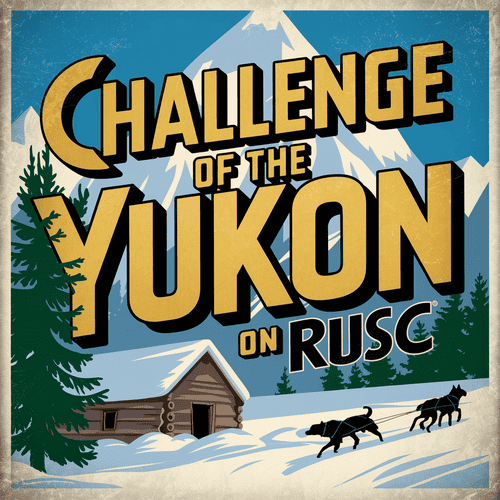
While the Lone Ranger defined his career, Beemer was not a one-dimensional performer. After the radio series concluded, he briefly portrayed Sergeant Preston of the Yukon on another radio program. His last notable television appearance was an interview on the Bill Kennedy Showtime program, tragically followed by his death the very next day .
Personal Life and Legacy
Residing in Oxford Township, Michigan, Beemer was more than just a radio actor. He was a rancher who owned a 300-acre property called Paint Creek Acres, where he raised thoroughbred horses. The legendary white stallion Silver was said to have been stabled in a barn that still stands, with rumors suggesting the horse was buried in the nearby woods . On March 1, 1965, Beemer passed away from a heart attack, leaving behind a remarkable legacy. At the time of his death, he was still using his famous Lone Ranger voice for automobile commercials, a testament to the enduring power of his vocal performance. He was laid to rest in White Chapel Cemetery .
Conclusion
Brace Beemer represents a quintessential figure of the radio era—a performer who could transport listeners to another world through the power of his voice. His portrayal of the Lone Ranger wasn't just a role; it was a cultural touchstone that defined entertainment for an entire generation.
Works and Appearances
Radio
- The Lone Ranger (1941-1954) - Lead Role/Title Character
- Sergeant Preston of the Yukon (Brief period after Lone Ranger, post-1954)
Television
- Bill Kennedy Showtime - Final Interview Appearance (1965)
- Automobile Commercial Voice-Overs (1960s)
Personal Achievements
- Youngest Sergeant in World War I
- 300-acre Ranch Owner
- Thoroughbred Horse Breeder