Betty Blythe
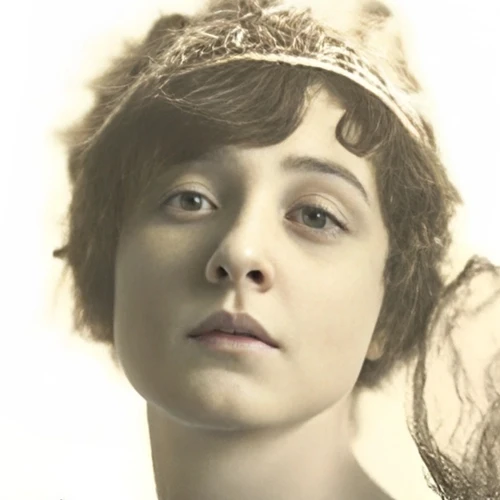
An American actress best known for her dramatic roles in exotic silent films such as The Queen of Sheba (1921).
In the glittering world of early 20th-century Hollywood, few actresses captured the imagination quite like Betty Blythe. A trailblazing performer who pushed the boundaries of on-screen representation, Blythe emerged as a prominent figure in the silent film era, known for her bold performances and groundbreaking roles.
Early Life and Artistic Beginnings
Betty Blythe, born Elizabeth Blythe Slaughter in 1893 in Los Angeles, was destined for an artistic career from the start. Her early passion for performance led her to study opera and art in Paris, where she developed a sophisticated understanding of artistic expression. Before diving into film, Blythe honed her craft by performing in musical comedies, laying the groundwork for her future cinematic success.
Rise to Hollywood Stardom
Blythe's entry into Hollywood came in 1916, and her trajectory was nothing short of meteoric. Within a few short years, she was securing starring roles that would define her career. In 1919, a pivotal moment arrived when Fox hired her as a "replacement vamp" for the legendary Theda Bara, signaling her emergence as a new kind of on-screen seductress. Perhaps her most significant claim to fame was being the first woman to appear nearly nude in mainstream Hollywood films - a revolutionary act for her time. Her most memorable roles came in films like The Queen of Sheba (1921), Chu-Chin-Chow (1925), and an early adaptation of She (1925), where she showcased her dramatic range and physical presence.
Vaudeville and Performance Diversification
Seeking to establish herself as a legitimate performer beyond film, Blythe ventured into vaudeville in 1926. At venues like the Palace Theater, she performed singing acts and impressions, attempting to broaden her artistic repertoire. However, this strategic move did not significantly alter her career trajectory.
Later Career and Transition
As the sound era dawned, Blythe's prominent roles diminished. She transitioned to becoming a consistent character actress, appearing in uncredited bit parts from the 1930s through 1958. Her final film appearance was a brief role as a party guest in My Fair Lady (1964), marking the end of a remarkable career spanning several decades.
Legacy and Impact
Betty Blythe represents a fascinating chapter in early Hollywood history. As one of the first "vamps" - seductive, exotic female characters - she challenged contemporary social norms and paved the way for future generations of actresses. Her willingness to push boundaries, both in terms of on-screen representation and performance styles, made her a pioneering figure in the entertainment industry.
Works and Appearances
Film
- The Queen of Sheba (1921) - Lead Role
- Chu-Chin-Chow (1925) - Lead Role
- She (1925) - Lead Role
- My Fair Lady (1964) - Party Guest
Vaudeville
- Palace Theater (1926) - Singing and Impressions Performance
Stage
- Various Musical Comedies (Pre-1916)
Betty Blythe passed away in 1972, leaving behind a legacy of artistic courage and pioneering spirit that helped shape the early landscape of American cinema.