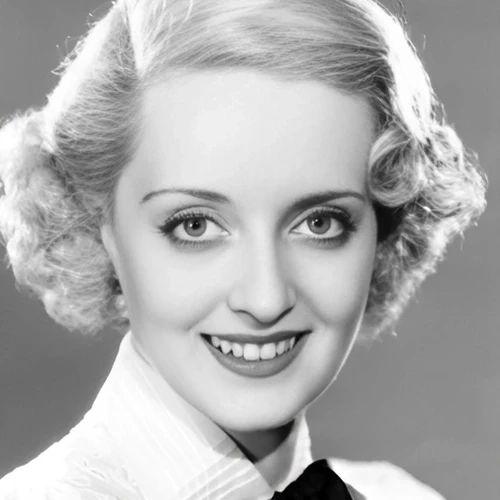
Bette Davis, one of Hollywood's most iconic actresses, was not just a silver screen legend but also a captivating presence on the radio waves. Her powerful performances transcended visual mediums, bringing her distinctive dramatic flair to audio storytelling during the golden age of radio broadcasting.
The Radio Stage: Davis's Dramatic Performances
Bette Davis was a prolific performer on radio, appearing in numerous dramatic adaptations of her most famous films. Her radio work spanned multiple programs, with Screen Guild Theatre being a particularly notable platform for her performances. Between the late 1930s and 1940s, she brought her cinematic roles to life through radio dramas, showcasing her remarkable ability to command an audience's attention with her voice alone.
Memorable Radio Appearances
Some of Davis's most memorable radio performances included adaptations of her celebrated films. In January 1939, she appeared on the Screen Guild Show in a production of "Can We Forget", featuring alongside stars like Robert Montgomery and Basil Rathbone. She also performed in radio adaptations of her films such as:
- Jezebel (1946) on Academy Award Theatre
- The Little Foxes (1945) on Screen Guild Players
- Jane Eyre (1941) on Screen Guild Theatre
- Dodsworth on Screen Guild Players
Lux Radio Theatre: A Signature Platform
Lux Radio Theatre became a particularly significant venue for Davis's radio performances. She reprised some of her most iconic film roles in these broadcasts, including:
- The Letter, featuring Herbert Marshall and James Stephenson
- Dark Victory, opposite Spencer Tracy
- Now, Voyager, with Gregory Peck
The Art of Radio Performance
Davis approached radio performances with the same intensity she brought to her film roles. She was known as the "emoter-in-chief", giving everything she had in each performance. Her dramatic style translated brilliantly to radio, where her expressive voice could convey complex emotions without visual cues.
Legacy in Radio Broadcasting
While Davis is primarily remembered for her film career, her radio work demonstrates her versatility as a performer. She brought the same commitment, passion, and dramatic flair to radio that made her a Hollywood legend, proving that her talent was not confined to the visual medium.
Works and Appearances: Radio Performances
Radio Shows
- Screen Guild Theatre (1939-1945)
- "Can We Forget" (1939)
- "The Little Foxes" (1945)
- "Jane Eyre" (1941)
- "Dodsworth"
Lux Radio Theatre (1940s)The LetterDark VictoryNow, VoyagerAcademy Award TheatreJezebel (1946)Her radio performances stand as a testament to her extraordinary ability to captivate audiences through pure performance, making her a true icon of both screen and sound.