Bela Lugosi
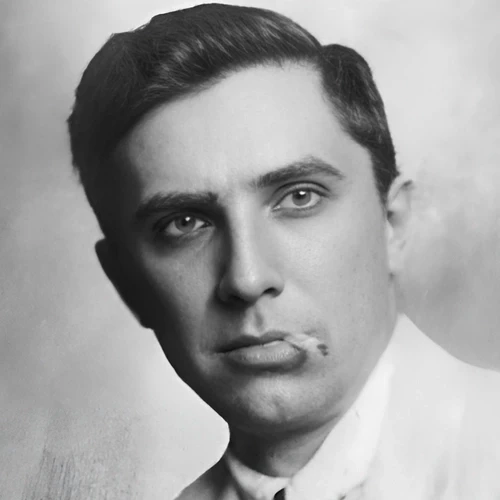
A Hungarian actor, who is best known for playing the character Dracula in the 1931 film and for his roles in various other Universal monster and horror films.
Bela Lugosi, a name synonymous with horror and gothic cinema, was far more than just a silver screen icon. Beyond his legendary portrayal of Count Dracula, Lugosi was a multifaceted performer who left an indelible mark on radio broadcasting during the golden age of entertainment.
Early Life and Theatrical Beginnings
Born Béla Ferenc Dezső Blaskó in 1882 in Lugos, Hungary, Lugosi's journey to stardom was anything but conventional. After dropping out of school at 12, he began his acting career in provincial theaters, taking the stage name "Lugosi" to honor his hometown. His early performances in Hungarian plays laid the groundwork for a career that would span multiple mediums, including radio.
Radio Career and Performances
Lugosi's radio work was as diverse as it was entertaining. Throughout the 1930s and 1940s, he made numerous radio appearances that showcased his versatility beyond horror roles. Some notable radio performances include:
- Baker's Broadcast (1937): A memorable appearance where Lugosi and Boris Karloff sang "We're Horrible, Horrible Men"
- Texaco Star Theater (November 15, 1939): A comedic episode titled "Dracula on Sunnybrook Farm"
- Suspense Radio Show (February 2, 1943): An episode called "The Doctor Prescribed Death"
- Command Performance (July 16, 1946): A comedic "Superman" skit where Lugosi played the villain Dr. Bekini, alongside Bob Hope and Paulette Goddard
- The Rudy Vallee Show (October 22, 1946): A comedy skit where he played a vampire called "The Bat"
Signature Style and Challenges
Despite his iconic status, Lugosi struggled with typecasting. In the 1937 Players Directory, he directly appealed to casting directors, calling it "an error" to believe he was only suited for horror films. His radio performances demonstrated his range, showing he could excel in comedy and dramatic roles beyond the horror genre.
Legacy in Broadcasting
Lugosi's radio work, while often overshadowed by his film career, was a testament to his adaptability and talent. He appeared on numerous shows, including The Adventures of Ellery Queen, Crime Does Not Pay, and even a one-hour program called Murder and Bela Lugosi where he provided commentary on his horror films.
Conclusion
Bela Lugosi was more than just the archetypal vampire. His radio performances reveal a performer of remarkable depth, humor, and versatility. From comedic skits to dramatic readings, Lugosi proved that his talents extended far beyond the silver screen, making significant contributions to the golden age of radio entertainment.
Works and Appearances
Radio Appearances
- Baker's Broadcast (1937)
- Texaco Star Theater (1939)
- Suspense (1943)
- Command Performance (1946)
- The Rudy Vallee Show (1946)
- The Adventures of Ellery Queen (1947)
- Murder and Bela Lugosi (1950)
Television Appearances
- Milton Berle Show (1949)
- The Paul Winchell Show (1950)
- Various local TV interviews and appearances
Stage Performances
- Dracula stage tours (1940-1951)
- Arsenic and Old Lace
- The Bela Lugosi Revue (1954)
Film Appearances
- Dracula (1931)
- Son of Frankenstein (1939)
- The Wolf Man (1941)
- Frankenstein Meets the Wolf Man (1943)