Arthur Anderson
In the vibrant world of mid-20th century broadcasting, few performers embodied the spirit of radio's golden era quite like Arthur John Miles Anderson. A versatile actor who seamlessly transitioned from child performer to beloved voice artist, Anderson's career spanned an remarkable eight decades, making him a true icon of American entertainment.
Early Years and Radio Beginnings
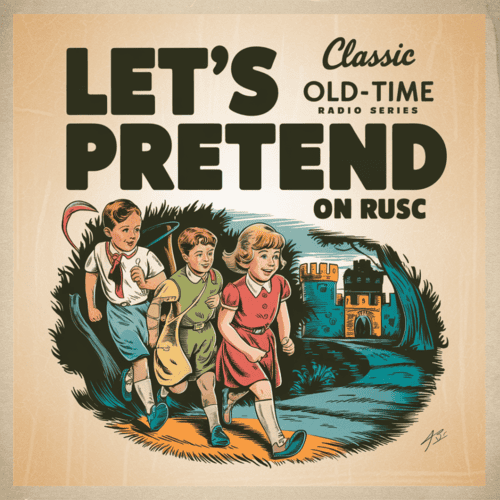
Born on August 29, 1922, in Staten Island, New York, Arthur Anderson came from a diverse heritage, with his father George Christian Anderson hailing from Denmark and his mother Violet Brookfield Anderson from England. His entry into the world of entertainment began early, when he first appeared on radio through a children's community playhouse. By 1934, he was regularly performing on Uncle Nick Kenny's Radio Kindergarten. Anderson's breakthrough came in 1935 when he was heard on NBC as the orphan Buddy in the musical serial drama Tony and Gus. However, his most significant early role was joining the cast of Let's Pretend, a children's radio program where he would become a staple performer until the show's conclusion in 1954. His dedication to the program was so profound that in 2004, he authored Let's Pretend and the Golden Age of Radio, a comprehensive history of the show.
Collaboration with Orson Welles and Diverse Radio Work
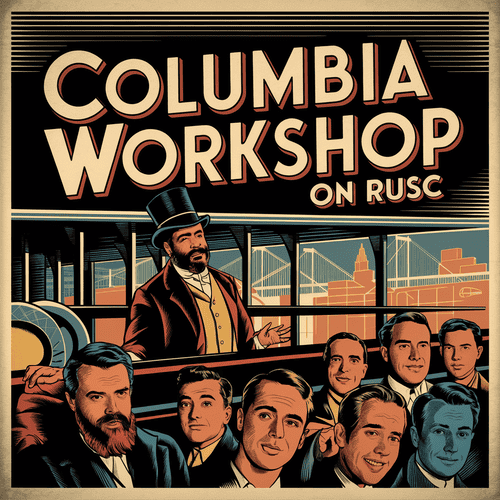
The young Anderson's talent caught the attention of legendary filmmaker Orson Welles, leading to appearances in several of Welles's radio productions. He acted in Welles's series, portraying characters in various dramatic presentations. This collaboration was a significant milestone in Anderson's early career, exposing him to some of the most innovative radio storytelling of the era. Beyond his work with Welles, Anderson was involved in other notable radio projects. He participated in the juvenile quiz show March of Games from 1938 to 1941, which featured many young actors from Let's Pretend. These experiences solidified his reputation as a versatile and reliable radio performer.
From Radio to Iconic Voice Acting
In 1963, Anderson embarked on what would become his most recognizable role: the voice of Lucky the Leprechaun for Lucky Charms cereal. Remarkably, despite not being Irish, he portrayed the character for an impressive 29 years. In a 2005 interview, he humorously reflected on his casting, saying, "I just have an Irish-sounding name. I had the luck of the Irish to get that part". His voice work extended beyond commercials. Anderson succeeded another actor as the voice of a character in an unnamed production, and he also appeared in various television shows and films. His stage career was equally impressive, with Broadway credits including 1776, Il Trovatore, Aida, and Carmen.
Legacy and Later Years
In his later years, Anderson remained deeply connected to the world of old-time radio. He was a prominent member of Friends of Old Time Radio, a group dedicated to recreating classic radio broadcasts. His commitment was evident in his participation in 30 conventions, more than any other actor. He even served as the honorary chairman for the successor event, NY OTR, in 2012. Anderson passed away on April 9, 2016, at the age of 93 in Manhattan, leaving behind a rich legacy in radio, voice acting, and entertainment. His autobiography, An Actor's Odyssey: Orson Welles to Lucky the Leprechaun, published in 2010, offers a personal account of his remarkable journey.
Works and Appearances
Radio
- Tony and Gus (1935) - Orphan Buddy
- Let's Pretend (1936-1954)
- Orson Welles radio series (various characters)
- March of Games (1938-1941)
Voice Acting
- Lucky Charms Leprechaun (1963-1992)
Television
- Various unnamed television episode appearances
Stage
- 1776
- Il Trovatore
- Aida
- Carmen
- Good Neighbor
- The Shoemakers' Holiday
Books
- Let's Pretend and the Golden Age of Radio (2004)
- An Actor's Odyssey: Orson Welles to Lucky the Leprechaun (2010)