Abe Burrows
Abe Burrows: Radio's Renaissance Man
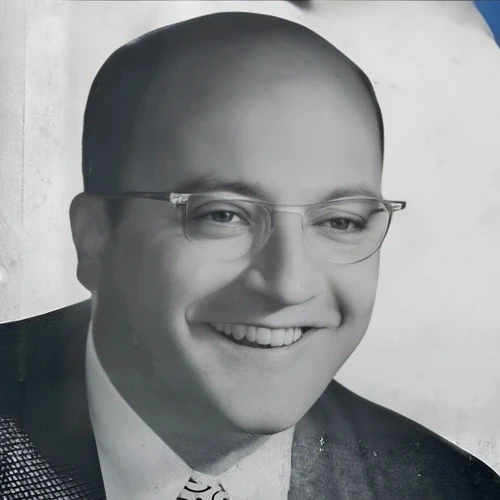
Abraham "Abe" Burrows carved a unique place in entertainment history as a true polymath who excelled across multiple creative disciplines. While many know him for his Broadway contributions, his radio career formed a critical foundation for his later success and showcased his remarkable versatility as a writer, director, and performer. With a quick wit and sophisticated comedic sensibility, Burrows brought a distinctive intellectual energy to the medium during its golden age, crafting material that balanced popular appeal with genuine cleverness. His journey from accounting to becoming one of America's most respected creative talents demonstrates how radio served as both an artistic testing ground and launching pad for broader cultural contributions.
From Accountant to Entertainment Icon
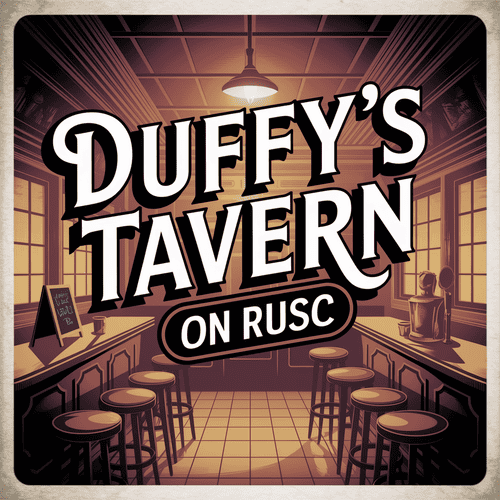
Abraham Burrows was born on December 18, 1910, in New York City to Louis and Bertha Burrows. Growing up in a Jewish household, young Abe developed an early fascination with wordplay and humor, though his path to entertainment success would be notably indirect. Rather than pursuing performance immediately, Burrows initially followed a conventional career trajectory, studying to become an accountant at both City College and New York University. The unlikely transition from numbers to comedy began in the 1930s when Burrows, while still working as an accountant, began writing comedy sketches and songs as a side pursuit. This hobby gradually evolved into small writing assignments for radio personalities and programs. His natural talent for crafting sharp, intelligent humor caught the attention of industry professionals, leading to increasingly substantial opportunities. By the early 1940s, Burrows had abandoned accounting entirely to focus on his burgeoning career as a comedy writer. His breakthrough came when he joined the writing staff of Duffy's Tavern, a popular radio comedy that featured a fictional Manhattan bar and its colorful habitués. The show's distinctive blend of character-based humor and sharp dialogue provided the perfect showcase for Burrows' developing comedic voice. Working on Duffy's Tavern allowed Burrows to refine his craft alongside fellow writers and performers, learning the precise timing and structural elements that made radio comedy effective. His contributions helped shape the program's sophisticated yet accessible comedy style, establishing patterns he would continue to develop throughout his career across multiple media.
Radio's Golden Age: The Burrows Touch
Burrows' most significant radio achievement came with the creation of Abe Burrows' Holiday (later renamed The Abe Burrows Show), which premiered in 1947 and ran for two seasons. This program marked his transition from behind-the-scenes writer to featured performer and creative lead. The show's format showcased Burrows' talents as both songwriter and comedian, featuring original satirical songs alongside comedy sketches and monologues. "The Abe Burrows Show" distinguished itself through its sophisticated approach to comedy. Rather than relying on broad slapstick or simplistic gags, Burrows crafted material that blended intellectual wit with accessible humor. His satirical songs, performed in his distinctively untrained but characterful singing voice, poked fun at contemporary society, politics, and cultural trends. Though not blessed with conventional vocal talent, Burrows compensated with impeccable comic timing and genuine musical creativity, turning his limitations into a signature style. The program attracted a devoted audience who appreciated its literate approach and Burrows' unique performance style. Critics frequently praised the show's intelligence and originality, recognizing it as a cut above typical radio fare. While never achieving the massive ratings of some contemporaries, "The Abe Burrows Show" developed a passionate following among listeners who appreciated its sharper comedic edge and cultural awareness. Beyond his own program, Burrows contributed significantly to other radio productions throughout the 1940s. He wrote for major comedy stars including **Dinah Shore** and **Joan Davis**, adapting his style to complement their established personas while maintaining his distinctive voice. His versatility as a writer allowed him to work across different comedic formats, from variety shows to situation comedies, demonstrating remarkable range.
Broadway Beckons: Transition from Radio
By the late 1940s, despite his radio success, Burrows began looking toward other creative outlets. Broadway, with its prestige and artistic possibilities, provided an enticing new challenge. His transition began with contributions to revues, where his experience crafting concise, impactful comedy pieces for radio proved invaluable in creating theatrical material. Burrows' Broadway breakthrough came with Guys and Dolls in 1950. Collaborating with songwriter Frank Loesser and using Damon Runyon's stories as source material, Burrows co-wrote the book (script) with Jo Swerling. The musical became an immediate critical and commercial triumph, running for 1,200 performances in its original production and winning the **Tony Award for Best Musical**. Burrows' contribution to the sharp, character-driven dialogue and narrative structure drew directly from skills honed during his radio years. The success of Guys and Dolls established Burrows as a major Broadway talent, leading to subsequent projects including How to Succeed in Business Without Really Trying. This 1961 musical, which satirized corporate American culture, won Burrows the Tony Award for Best Direction of a Musical and cemented his theatrical legacy. The show's clever dialogue and structural precision reflected the economy of storytelling he had mastered in radio, where every word needed to count. While increasingly focused on Broadway, Burrows maintained connections to broadcasting through television work during the 1950s and 1960s. He appeared as a panelist on **"This Is Show Business"** and other programs, bringing his radio-honed performative skills to the visual medium. His comfort before microphones, developed during his radio career, translated effectively to television studios, allowing him to maintain public visibility even as his creative focus shifted.
Legacy and Influence
Abe Burrows passed away on May 17, 1985, in New York City, leaving behind a diverse creative legacy that spanned multiple entertainment forms. His journey from radio writer and performer to Broadway luminary illustrates the creative continuities between these seemingly distinct media in mid-20th century American entertainment. Radio served as Burrows' artistic laboratory, where he developed the core comedic sensibilities that would define his work across all media. The medium's emphasis on sharp dialogue, precise timing, and verbal wit aligned perfectly with his natural talents, allowing him to develop a distinctive voice that translated effectively to other formats. Many of the thematic concerns and comedic approaches first explored on "The Abe Burrows Show" would reappear in more developed forms in his theatrical work. Burrows' influence extended beyond his direct creative output through mentorship and collaboration. He worked with and influenced numerous writers and performers who would go on to significant careers of their own. His approach to comedy—intelligent, socially aware, and linguistically playful—helped elevate American humor beyond simple gags toward more sophisticated forms of expression. The Peabody Award committee recognized Burrows' contributions to broadcasting when they honored him for "raising the level of radio comedy." This acknowledgment captured the essence of his achievement: bringing genuine wit and creative ambition to a medium often satisfied with more formulaic entertainment. By demonstrating that radio comedy could be both popular and smart, Burrows helped expand the medium's artistic possibilities. Today, while Burrows is often remembered primarily for his Broadway achievements, his radio career represents a crucial chapter in both his personal artistic development and the broader history of American broadcasting. His work exemplifies how radio served as an incubator for creative talent during its golden age, providing opportunities for innovative voices to develop and eventually influence American culture across multiple platforms.
Works and Appearances
Radio
- Duffy's Tavern (early 1940s) - Writer
- Abe Burrows' Holiday/The Abe Burrows Show (1947-1949) - Creator, writer, and performer
- The Joan Davis Show (1940s) - Writer
- Dinah Shore Program (1940s) - Writer
Broadway
- Guys and Dolls (1950) - Book writer (with Jo Swerling)
- Two on the Aisle (1951) - Writer of sketches
- Three Wishes for Jamie (1952) - Director
- Can-Can (1953) - Book writer
- Silk Stockings (1955) - Director
- Happy Hunting (1956) - Director
- Say, Darling (1958) - Book writer and director
- How to Succeed in Business Without Really Trying** (1961) - Book writer and director
- Cactus Flower (1965) - Director
- Forty Carats (1968) - Director
- Four on a Garden (1971) - Director
- Good News (1974 revival) - Director
Television
- This Is Show Business** (1950s) - Panelist
- The Name's the Same** (early 1950s) - Panelist
- What's My Line?** (occasional appearances) - Guest panelist
- The Blue Angel** (1954) - Host
Publications
- Honest, I Love You (1971) - Memoir
- How to Succeed in Business Without Really Trying (1961) - Book for musical adapted into film in 1967
Awards and Recognitions
- Tony Award for Best Direction of a Musical for "How to Succeed in Business Without Really Trying" (1962)
- Pulitzer Prize for Drama for "How to Succeed in Business Without Really Trying" (1962, shared with Frank Loesser)
- New York Drama Critics Circle Award for "Guys and Dolls" (1950)
- Peabody Award for contributions to radio comedy