Studs Terkel
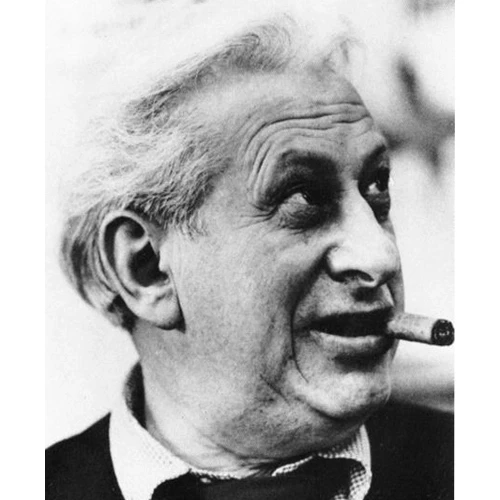
Studs Terkel was a towering figure in American media whose career as a radio host, author, and oral historian captured the voices of ordinary people and notable personalities alike. Over a career spanning more than six decades, Terkel became synonymous with empathetic interviewing, incisive social commentary, and a deep appreciation for the diversity of human experience. His work not only chronicled the cultural and political landscape of 20th-century America but also transformed the way radio could engage and inform its audience.
Early Life and Formative Influences
Born Louis Terkel on May 16, 1912, in New York City to Russian Jewish immigrants Samuel Terkel, a tailor, and Anna Finkel, a seamstress, Terkel moved with his family to Chicago, Illinois at the age of eight. He grew up alongside his brothers Meyer and Ben in an environment that nurtured his interest in people and storytelling. From 1926 to 1936, his parents operated the Wells-Grand Hotel, a rooming house that exposed young Terkel to a wide array of characters and life stories, shaping his deep empathy for the human experience. The nearby Bughouse Square, a famed public forum for debate, further expanded his social awareness and understanding of diverse perspectives. Terkel pursued an education at McKinley High School, then earned a PhB in 1932 and a J.D. from the University of Chicago in 1934, gaining admission to the Illinois Bar in 1935. Despite his legal training, he chose not to practice law, instead exploring roles that would immerse him in human stories, including working as a hotel concierge and joining a theater group. In 1939, he married Ida Goldberg, with whom he had one son. This combination of legal discipline, theatrical experience, and exposure to everyday people laid the foundation for his later radio and literary career.
Entry Into Radio and Early Career
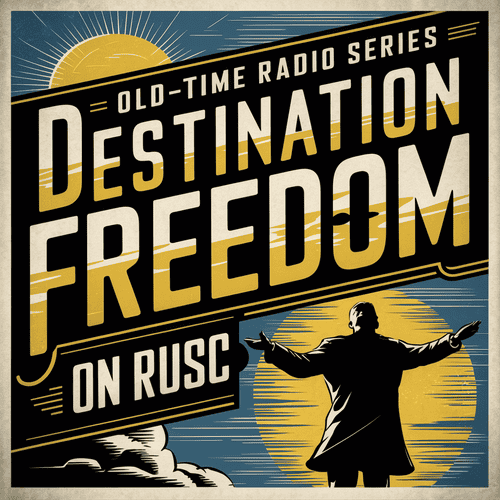
Terkel’s radio career began during his involvement with the Works Progress Administration’s Federal Writers’ Project, where his work spanned announcing, scripting, and producing content for radio. He became deeply engaged with political and social issues, reflecting his leftist leanings, and began exploring radio as a medium for storytelling and cultural expression. During the late 1940s, Terkel contributed his voice to WMAQ’s Destination Freedom, a series written by Richard Durham that dramatized African American history and civil rights, demonstrating Terkel’s commitment to socially conscious broadcasting. In 1952, Terkel launched The Studs Terkel Program on WFMT Chicago, a one-hour weekday show that would air for 45 years until 1997. His program distinguished itself by blending recorded music with interviews, embracing a conversational style that allowed both famous figures and everyday citizens to share their experiences. Terkel’s approach broke conventional broadcasting norms, emphasizing authenticity, curiosity, and respect for his guests’ voices.
Notable Radio Shows and Interviews
Over nearly half a century on WFMT, Terkel interviewed an extraordinary range of figures, cementing his reputation as one of radio’s most compelling voices. Guests included luminaries like Martin Luther King Jr., Leonard Bernstein, Tennessee Williams, Dorothy Parker, Frank Zappa, Bob Dylan, and Big Bill Broonzy. Yet he was equally attentive to the stories of workers, veterans, and ordinary Chicagoans, chronicling their experiences in a style that highlighted the humanity and dignity of all subjects. Terkel’s interviews were never mere performances; they were explorations of culture, politics, and personal history. By giving equal weight to the voices of the influential and the everyday, he democratized radio and created a platform where the full spectrum of American life could be heard. His program remains a historic archive of oral history, preserving perspectives on issues ranging from labor struggles to artistic innovation.
Broadcasting Style and Signature Techniques
Terkel’s broadcasting style was defined by empathy, patience, and attentiveness. He avoided sensationalism, opting instead for a measured, thoughtful approach that allowed his subjects to tell their own stories. His background in theater lent a natural rhythm to his speech, while his legal training ensured precision in questioning and clarity in dialogue. He frequently combined interviews with music, creating a layered listening experience that engaged audiences emotionally and intellectually. This technique, paired with his genuine curiosity, encouraged guests to open up in ways that traditional journalism often could not. Terkel’s commitment to oral history extended beyond radio, influencing his writing and solidifying his role as a chronicler of the American experience.
Legacy and Influence
Studs Terkel passed away on October 31, 2008, in Chicago, leaving behind a profound legacy as a broadcaster, writer, and historian. His Pulitzer Prize-winning book, The Good War, exemplifies his dedication to capturing firsthand accounts of historical events, reflecting the same principles that guided his radio work. Terkel’s influence is evident in the generations of journalists, radio hosts, and oral historians who continue to prioritize human stories, empathy, and comprehensive cultural documentation. Through his radio program, Terkel transformed the medium into a vehicle for dialogue, understanding, and social awareness. His archives remain a testament to the power of listening, preserving the voices of Americans from all walks of life and creating a permanent record of the 20th century through the lens of its people.
Works and Appearances
Radio
- The Studs Terkel Program (1952–1997)
- Destination Freedom (Late 1940s)
Books/Publications
- Division Street: America (1967)
- Working (1974)
- The Good War (1984)
- Hard Times (1970)
- Talking to Myself (1983) .