Stan Kenton
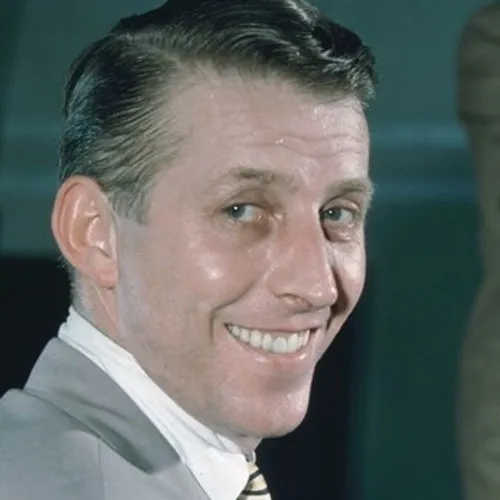
Stan Kenton was a transformative figure in American music whose career bridged swing, progressive jazz, and orchestral jazz. Renowned as a pianist, composer, arranger, and bandleader, Kenton’s innovative approach expanded the boundaries of jazz, blending complex harmonies with bold orchestration. Over nearly four decades, he cultivated a distinctive sound, nurtured young talent, and influenced generations of musicians, leaving an enduring legacy in both performance and jazz education.
Early Life and Musical Foundations
Born Stanley Newcomb Kenton on December 15, 1911, in Wichita, Kansas, Kenton grew up with two younger sisters, Beulah and Erma Mae. His parents, Floyd and Stella Kenton, relocated the family first to Colorado and later to the Los Angeles area in 1924, settling in Bell, California. Kenton’s early exposure to music began in high school at Bell High School, where he studied piano and developed an interest in arranging and composing. These formative experiences laid the groundwork for his lifelong dedication to musical innovation. By the 1930s, Kenton had already begun performing professionally, quickly earning recognition for his distinctive piano style. He absorbed influences from the big band swing era while simultaneously exploring new harmonic and orchestral textures, demonstrating an early inclination toward experimentation. His ambition and leadership abilities soon propelled him toward forming his own ensembles.
Rise to Prominence and Radio Presence
Kenton’s career gained momentum in the late 1930s and early 1940s with the formation of the Stan Kenton Orchestra, which became a prominent force in American music. While his band had several popular hits during this era, Kenton’s work was notable for its forward-looking arrangements, integrating elements of classical music into big band jazz. His orchestra received regular radio exposure, further cementing Kenton’s reputation as a cutting-edge bandleader. The radio era provided Kenton with a platform to reach a nationwide audience. Programs featuring his orchestra showcased complex arrangements and original compositions that challenged conventional jazz norms. Hits like “Artistry in Rhythm” and collaborations with notable vocalists such as June Christy and Chris Connor exemplified his ability to blend melodic sophistication with commercial appeal. These broadcasts also served as a proving ground for new arrangements and musicians, establishing Kenton as an innovator in the radio jazz scene.
Musical Style and Innovations
Kenton’s signature style, often described as progressive jazz, combined lush orchestration with experimental harmonies, emphasizing brass and percussion while maintaining rhythmic drive. Unlike many contemporaries who focused on danceable swing, Kenton pursued a more symphonic approach, often incorporating complex arrangements and thematic suites. His work in the 1940s and 1950s, including the “Progressive Jazz” albums, pushed the boundaries of jazz composition, blending improvisation with structured orchestral elements. Kenton also pioneered the use of jazz education to cultivate new talent. In 1959, he established the Stan Kenton Jazz Camp at Indiana University, creating a space for young musicians to study arrangement, composition, and performance under the guidance of professional artists. This initiative not only nurtured future jazz leaders but also solidified Kenton’s role as an educator and mentor in the jazz community.
Later Career, Collaborations, and Legacy
Throughout the 1960s and 1970s, Kenton continued to innovate, leading orchestras, producing recordings, and mentoring emerging artists. His ensembles featured celebrated musicians such as Maynard Ferguson, Gerry Mulligan, Art Pepper, and Pete Rugolo, reflecting his ability to attract and develop top talent. Kenton also experimented with Latin rhythms and modern jazz elements, ensuring his music remained dynamic and contemporary. Kenton passed away on August 25, 1979, in Los Angeles, California, leaving behind a rich catalog of recordings and an enduring influence on jazz performance and education. His orchestral vision, commitment to musical excellence, and pioneering spirit have inspired countless musicians, ensuring that his contributions to jazz and American music history remain significant.
Works and Appearances
Radio
- Programs featuring the Stan Kenton Orchestra — 1940s–1950s
- National radio broadcasts of popular hits and jazz suites
Theater/Live Performance
- Extensive touring with the Stan Kenton Orchestra, 1930s–1970s
- Live jazz festivals and concert series
Albums/Recordings
- Artistry in Rhythm — 1940s
- Progressive Jazz — 1940s
- Numerous Capitol Records and Creative World recordings spanning 1940s–1970s
Jazz Education
- Stan Kenton Jazz Camp, Indiana University, 1959 onward
Stan Kenton’s pioneering orchestral approach, innovative radio presence, and dedication to jazz education firmly establish him as one of the most influential figures in 20th-century American music, bridging the worlds of performance, composition, and mentorship with lasting impact.