Spike Jones
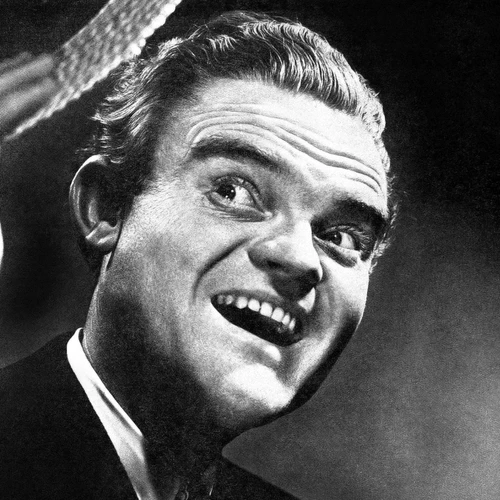
Spike Jones was a pioneering figure in American entertainment, renowned for his wildly inventive musical comedy that combined technical skill with absurdist humor. Best known for his band, Spike Jones and His City Slickers, he became a major force on radio, television, and recordings during the mid-20th century. His unique blend of slapstick, satire, and musical virtuosity left an indelible mark on the world of broadcasting.
Early Life and Musical Foundations
Born Lindley Armstrong Jones on January 14, 1911, in Long Beach, California, Jones grew up in a household that encouraged music. He took up the trombone as a child and showed early talent, eventually joining local orchestras while still in his teens. His formative years in Southern California exposed him to vaudeville, jazz, and popular dance bands, all of which would shape his comedic sensibility. In the 1930s, Jones began performing professionally, playing trombone in bands led by prominent musicians such as Harry James. He also developed a taste for humor and experimentation, introducing unconventional sounds into musical arrangements, foreshadowing the novelty style that would become his hallmark. By blending technical proficiency with comedic timing, Jones set the stage for a career that would redefine musical entertainment.
Entry Into Radio and Rise to Fame
Jones’ first major exposure on radio came in the mid-1940s. He and His City Slickers became regulars on The Chase and Sanborn Program in 1945, a popular variety show. Their performances, which included zany sound effects, exaggerated percussion, and parody songs, quickly captured listeners’ attention. Jones’ radio appearances allowed him to reach a national audience, establishing him as a distinctive voice in American comedy. Following this, Jones headlined Spotlight Revue from 1947 to 1948, a program that highlighted his novelty songs and comedic sketches. Audiences were drawn to his irreverent style, which combined intricate musical arrangements with slapstick humor. By 1948, he was given his own radio series, The Spike Jones Show, which aired on CBS. This program cemented his reputation as a groundbreaking figure in radio entertainment, offering both laughs and innovative musical performances.
Notable Radio Shows and Signature Style
Jones’ radio career was defined by programs that showcased his inventive approach to music. Key shows included:
- The Chase and Sanborn Program (1945) – Summer replacement featuring comedic musical interludes by Jones and His City Slickers.
- Spotlight Revue (1947–1948) – Musical variety show featuring novelty songs and comedic sketches.
- The Spike Jones Show (1948–1949) – CBS radio series highlighting Jones’ signature sound effects, parodies, and satirical humor.
- Guest appearances on The Bob Burns Show in the 1940s – contributing musical comedy segments.
Jones’ hallmark was his use of unconventional instruments and sound effects, such as cowbells, whistles, gunshots, and kitchen utensils. Songs like Der Fuehrer’s Face and All I Want for Christmas (Is My Two Front Teeth) exemplified his mix of parody, satire, and musical skill. Listeners were delighted by the energy and unpredictability of his performances, which pushed the boundaries of what radio could convey through sound alone.
Transition to Television and Later Career
As television emerged in the 1950s, Jones adapted his act for the new medium, appearing on The Colgate Comedy Hour and hosting his own televised version of The Spike Jones Show on CBS from 1954 to 1955, followed by an NBC revival in 1957. His performances retained the chaotic humor and inventive sound effects that had made him a radio star, now enhanced by visual gags and slapstick routines. Although his later years saw fewer regular broadcasts, Jones continued performing live and recording novelty songs. His influence extended to a generation of comedians and musicians who admired his fusion of music and comedy. His style inspired subsequent performers like “Weird Al” Yankovic and the modern musical parody tradition, illustrating the enduring impact of his radio-era innovations.
Legacy and Influence
Spike Jones’ legacy lies in his ability to transform popular music into a platform for satire and comedy. By embracing absurdity and technical ingenuity, he expanded the possibilities of radio entertainment. His contributions helped establish novelty music as a respected genre and influenced both radio and television variety programming. Jones passed away on May 1, 1965, leaving behind a catalog of recordings, radio broadcasts, and television appearances that continue to delight audiences. His inventive approach to sound and humor remains a touchstone for musicians, comedians, and historians alike, demonstrating the enduring power of creativity in American broadcasting.
Works and Appearances
Radio
- The Chase and Sanborn Program (1945)
- Spotlight Revue (1947–1948)
- The Spike Jones Show (1948–1949)
- The Bob Burns Show (1940s)
Television
- The Spike Jones Show (1954–1955, CBS)
- The Spike Jones Show (1957, NBC)
- The Colgate Comedy Hour (1950s)
Film
- Meet the People (1944)
- Thank Your Lucky Stars (1943)
Recordings
- RCA Victor label (1940s–1950s) – Released hits such as Der Fuehrer’s Face, Cocktails for Two, and All I Want for Christmas (Is My Two Front Teeth).