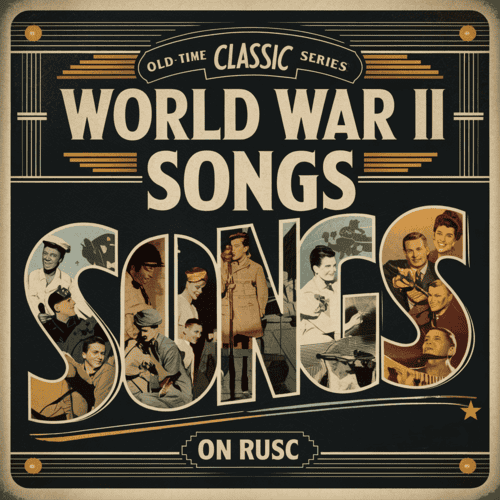
World War II Songs
The Music of World War II was a unique and powerful force that captured the emotions and experiences of the era. As the world was engulfed in the chaos and devastation of global conflict, songwriters, musicians, and performers stepped up to provide a much-needed outlet for the American public. From patriotic anthems to sentimental ballads, the music of WWII reflected the full spectrum of human sentiment, from triumph and resilience to heartbreak and longing.
The outbreak of the war in Europe in 1939 and the subsequent entry of the United States in 1941 ushered in a golden age of popular music. With the rapid advancements in radio and recording technology, music became a ubiquitous presence in the lives of both soldiers and civilians. Patriotic songs like Irving Berlin’s “God Bless America” and “This Is the Army, Mr. Jones” rallied the nation’s spirits, while love songs like “I’ll Be Seeing You” and “Don’t Sit Under the Apple Tree” provided comfort and connection for those separated by the demands of war.
The Stars
The music of World War II featured a diverse array of talented artists, from established stars to up-and-coming performers. Bing Crosby, Frank Sinatra, and the Andrews Sisters were among the most popular vocalists, lending their voices to both patriotic and romantic songs that captured the public’s imagination. Bandleaders like Glenn Miller, Benny Goodman, and Tommy Dorsey provided the swinging, big-band sound that became the soundtrack of the war years.
Beyond the mainstream artists, the war also gave rise to new voices and styles. Country singer Elton Britt’s “There’s a Star-Spangled Banner Waving Somewhere” became a hit, while the Andrews Sisters’ “Boogie Woogie Bugle Boy” showcased the infectious energy of the era’s music. Comedians like Jack Benny and Bob Hope used their talents to entertain the troops and boost morale, while the music of African-American artists like the Golden Gate Quartet and Lena Horne provided a powerful counterpoint to the segregation and discrimination of the time.
Key Dates
The music of World War II spanned the entire duration of the conflict, from the early days of the war in Europe to the final victory over Japan in 1945. The first major patriotic song of the war, Irving Berlin’s “God Bless America,” was introduced in 1938 but gained widespread popularity after the attack on Pearl Harbor in 1941. Other early wartime hits, like “Goodbye Mama (I’m Off to Yokohama)” and “Remember Pearl Harbor,” quickly followed, reflecting the nation’s shock and determination in the face of the enemy.
As the war progressed, the music continued to evolve, with songwriters and performers responding to the changing tides of the conflict. The Andrews Sisters’ “Don’t Sit Under the Apple Tree (with Anyone Else But Me)” became a hit in 1942, capturing the anxieties of soldiers and their loved ones. In 1944, Vera Lynn’s “We’ll Meet Again” became a poignant anthem of hope and resilience, while Spike Jones’ satirical “Der Fuehrer’s Face” provided a humorous counterpoint to the horrors of the war.
Other Information
The music of World War II was not just a reflection of the times, but also a powerful tool for propaganda and morale-building. The U.S. government and military actively encouraged the production and distribution of patriotic songs, recognizing their ability to unite the nation and boost the spirits of the troops. The Armed Forces Radio Service (AFRS) played a crucial role in this effort, broadcasting a wide range of music and entertainment to soldiers stationed around the world.
Beyond its wartime impact, the music of WWII has endured as a beloved and influential part of American cultural history. Many of the songs from this era have become timeless classics, continuing to be performed and recorded by artists of subsequent generations. The Andrews Sisters’ “Boogie Woogie Bugle Boy,” for example, has been covered by numerous artists, from Bette Midler to Christina Aguilera, cementing its status as a beloved and enduring piece of American music.
The music of World War II not only captured the emotions and experiences of the era, but also played a vital role in shaping the cultural landscape of the 20th century. From the patriotic anthems that rallied the nation to the sentimental ballads that provided comfort and connection, the songs of WWII continue to resonate with audiences today, serving as a powerful reminder of the resilience and determination of the American spirit.
Ratings & reviews
Loading reviews…
Episodes
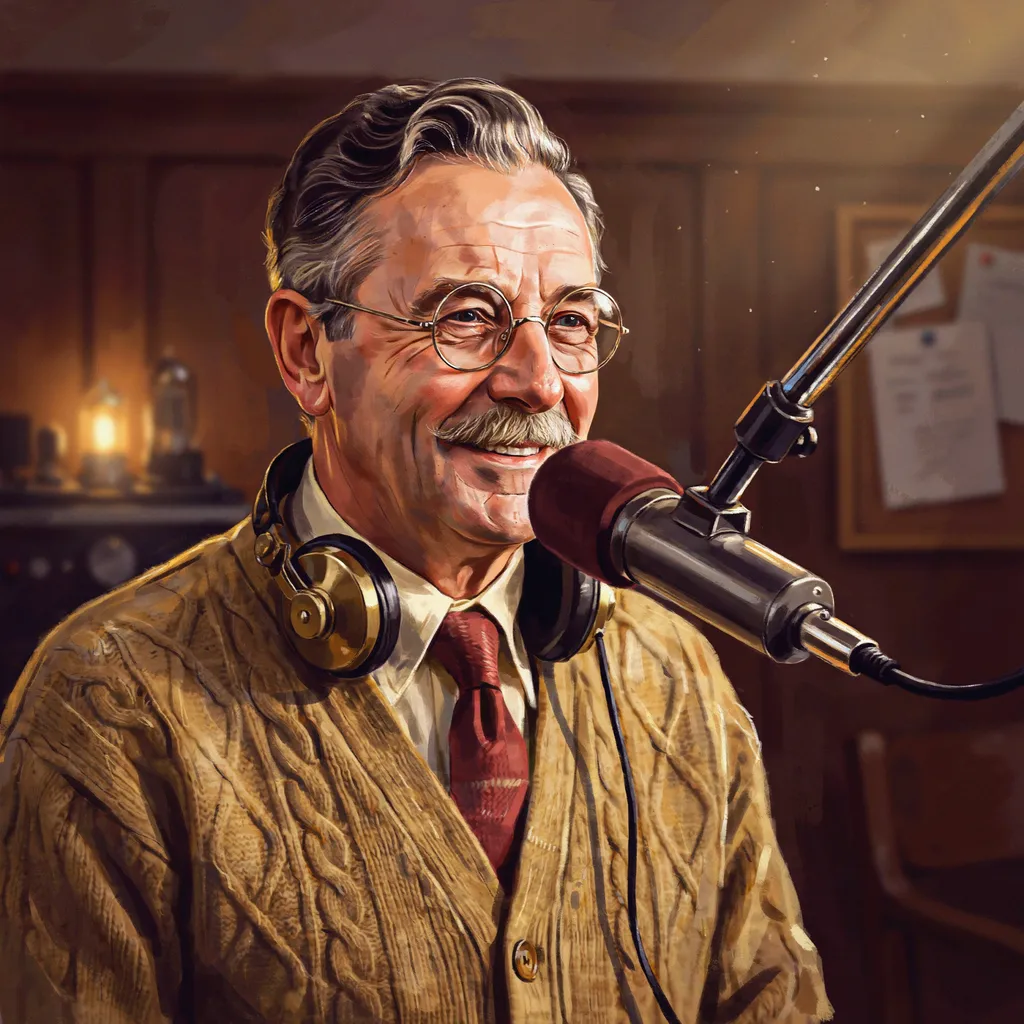
Ned here. Forty-odd years I've spent with these old shows — and if you took to World War II Songs, I'd wager my last valve you'll love this lot.