Shirley Ross
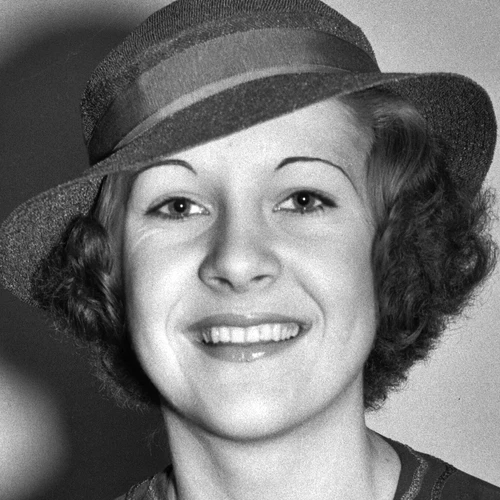
When audiences tuned in to hear Shirley Ross, they weren't just listening to another singer—they were experiencing a sophisticated blend of vocal artistry and genuine emotion that set her apart in both Hollywood and radio broadcasting. Born Bernice Gaunt on January 7, 1913, in Omaha, Nebraska, this talented performer would become best known for introducing one of the most melancholic standards of the 20th century, yet her contributions to entertainment extended far beyond that single immortal moment.
From Piano Prodigy to Hollywood Starlet
Shirley Ross began her journey in entertainment as a child piano prodigy, demonstrating remarkable musical talent from an early age. Her classical training provided a foundation that would later inform her sophisticated vocal interpretations. After winning a beauty contest as a young woman, Ross transitioned from instrumental music to singing, setting her sights on a career in show business that would take her far from her Nebraska roots. Her entry into professional entertainment came through nightclub performances, where she honed her ability to connect with audiences through song. This club work caught the attention of Hollywood talent scouts, and Ross soon found herself signed to a film contract. Her screen presence and musical abilities made her a natural fit for the musical films that dominated 1930s cinema, leading to appearances in numerous productions throughout the decade.
The Song That Defined a Generation
Ross's most enduring contribution to American popular culture came in 1938 when she appeared in the Paramount film The Big Broadcast of 1938. In this production, she performed a duet with Bob Hope that would become legendary: "Thanks for the Memory." The song, penned by Ralph Rainger and Leo Robin, perfectly captured a bittersweet nostalgia that resonated deeply with Depression-era audiences. The performance was so memorable that "Thanks for the Memory" became Bob Hope's signature theme song for the remainder of his long career. The chemistry between Ross and Hope was palpable, and their rendition won the Academy Award for Best Original Song. This singular achievement cemented Ross's place in entertainment history, though it would also become something of a double-edged sword, as she would forever be associated with this one perfect moment in film.
Radio Stardom and Musical Versatility
Beyond her film work, Ross established herself as a compelling radio presence throughout the late 1930s and 1940s. Her warm, sophisticated vocal style translated beautifully to the intimate medium of radio, where listeners could focus purely on the emotional nuance of her performances. She appeared on various musical variety programs, bringing her unique interpretive skills to both popular standards and contemporary hits. Ross's radio work showcased her versatility as a performer. Unlike many singers of her era who specialized in either upbeat swing numbers or torch songs, she moved effortlessly between styles, adapting her approach to suit the material. Her classical piano training gave her an innate understanding of musical structure that informed her phrasing and timing, making even familiar songs sound fresh in her interpretations. The demands of radio broadcasting during this period were considerable, often requiring performers to deliver live performances with minimal rehearsal. Ross's professionalism and musical expertise made her a reliable and sought-after guest on numerous programs. Her ability to connect emotionally with listeners through their radio speakers demonstrated the same qualities that had made her film performances so effective.
A Career Beyond the Microphone
While Ross continued her radio and film work throughout the 1940s, she never quite achieved the sustained stardom that her talents seemed to warrant. The entertainment industry of that era was notoriously fickle, and despite her Oscar-winning song and consistent professional work, she remained somewhat underutilized by the major studios. She appeared in supporting roles in various films, but leading parts remained elusive. Ross retired from show business in 1945, choosing to step away from the spotlight while still in her early thirties. Her decision to retire relatively young meant that she left the industry before the full transition to television, which might have offered new opportunities for a performer of her skills. The specific reasons for her retirement remain somewhat mysterious, but her departure marked the end of a career that, while brief, had left an indelible mark on American popular culture. Following her retirement, Ross lived a private life away from the entertainment world. She passed away on March 9, 1975, in Menlo Park, California, at the age of 62. Though her career had ended three decades earlier, her legacy lived on through recordings and the enduring popularity of "Thanks for the Memory," which continued to be performed and celebrated long after her death.
Legacy and Lasting Impact
Shirley Ross represents a particular type of performer who flourished during radio's golden age—artists whose sophisticated musicality and emotional authenticity connected deeply with audiences even without visual accompaniment. Her contribution to American popular song through "Thanks for the Memory" alone would have been sufficient to secure her place in entertainment history, but her broader work in radio and film demonstrated a consistent professionalism and artistry that deserved greater recognition. The bittersweet quality of Ross's career—marked by one transcendent moment of success but lacking the sustained stardom her talents merited—mirrors the very song for which she is best remembered. Like the nostalgic memories evoked in "Thanks for the Memory," Ross herself became a memory, a reminder of radio's golden age when a singer's voice alone could captivate millions of listeners and leave a lasting impression on American culture.
Works and Appearances
Film
- The Big Broadcast of 1938 (1938) - Performed "Thanks for the Memory" with Bob Hope
- Various musical films throughout the 1930s and early 1940s in supporting and featured roles
Radio
- Musical variety programs (late 1930s - 1945) - Guest performer and vocalist
- Various radio broadcasts as featured singer
Music
- "Thanks for the Memory" (1938) - Academy Award for Best Original Song
- Numerous recorded performances and radio transcriptions from the late 1930s and early 1940s