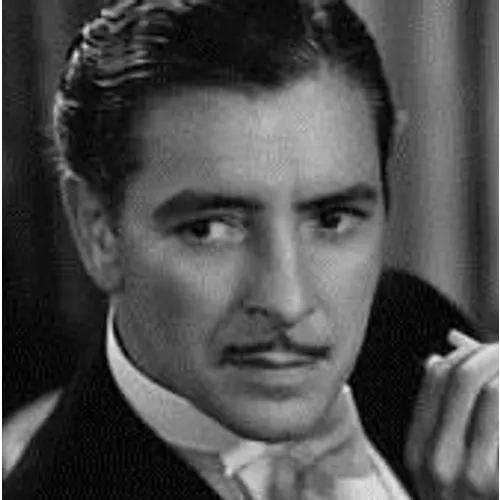
In the golden age of radio and classic cinema, Ronald Colman stood out as a distinguished actor whose elegant voice and refined presence made him one of the most respected performers of his era. His work spanned stage, radio, and film, and he became synonymous with charm, sophistication, and nuanced performances.
Early Life and Stage Beginnings
Ronald Colman was born on February 9, 1891, in Richmond, Surrey, England. From a young age, he exhibited a natural talent for performance and pursued acting in London’s theatrical circles. Colman made his early stage appearances in British productions, gaining recognition for his poise, diction, and subtle expressiveness. Before transitioning to screen, Colman’s stage work laid the foundation for his ability to convey emotion with minimal gesture, a skill that would later make his performances on radio and film especially compelling. His experience in theater also allowed him to master timing, projection, and character depth.
Entry into Film and Hollywood Success
Colman moved to Hollywood in the 1920s, initially appearing in silent films. His refined style and expressive face made him well-suited for romantic leads and dramatic roles. With the advent of sound, Colman’s smooth, cultured voice became a defining feature, helping him transition seamlessly into “talkies.” He starred in numerous successful films, including A Tale of Two Cities (1935) and Lost Horizon (1937), where his elegant presence and understated intensity captivated audiences. Colman’s ability to combine sophistication with emotional depth made him a favorite among both directors and moviegoers.
Radio Career and Voice Work
Alongside his film work, Colman became a familiar voice on radio. During the 1930s and 1940s, he appeared on dramatic broadcasts, variety shows, and anthology programs, often reprising roles from his films or performing adaptations of classic literature. His refined and authoritative voice allowed him to convey gravitas, charm, and subtle humor, making him a highly sought-after radio performer. Colman’s radio appearances included The Lux Radio Theatre, The Screen Guild Theater, and The Mercury Theatre on the Air. These performances expanded his audience beyond the cinema, bringing his elegance and skill to listeners across the nation.
Legacy and Personal Life
Ronald Colman passed away on May 19, 1958, leaving a legacy of elegance, versatility, and professional excellence. He is remembered for his remarkable transition from silent films to sound cinema, his distinctive voice on radio, and his ability to imbue every character with depth and subtlety. Colman’s contributions influenced generations of actors who sought to blend screen presence with vocal skill. His personal charm, dedication to craft, and ability to connect with audiences across media cemented his place as a legendary figure in 20th-century entertainment.
Works and Appearances
Radio
- The Lux Radio Theatre (1930s-1940s)
- The Screen Guild Theater (1930s-1940s)
- The Mercury Theatre on the Air (1940s)
- Guest appearances on dramatic anthologies (1930s-1940s)
American Radio
- Guest roles in anthology programs and adaptations (1930s-1940s)
Stage
- British stage productions (1910s-1920s)
- Early London theater performances
Film
- Silent films (1920s)
- Talkies (1920s-1950s), including A Tale of Two Cities (1935) and Lost Horizon (1937)
Television
- Guest appearances on televised anthologies (1950s)