Robert Mitchum
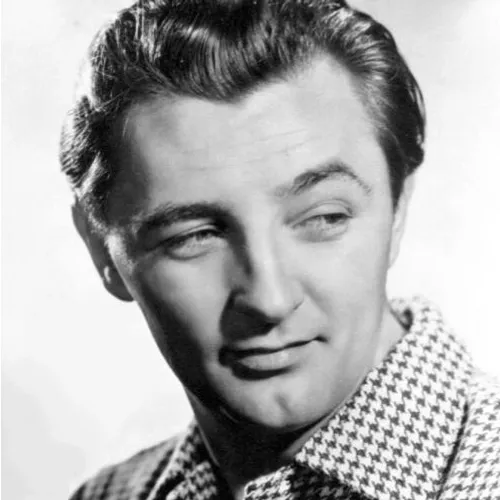
Robert Mitchum was far more than just a Hollywood icon; he was a multifaceted performer whose talents extended deeply into the realm of old-time radio. His distinctive voice and compelling presence made him a memorable figure not just in film, but in the audio entertainment landscape of mid-20th century America.
Early Life and Radio Beginnings
Born on August 6, 1917, in Bridgeport, Connecticut, Robert Mitchum's early life was marked by restlessness and adventure. After losing his father in a railyard accident when he was just two years old, Mitchum developed a rebellious spirit that would define his later career. His youth was characterized by wandering, working odd jobs, and even experiencing a stint on a chain gang at the age of 14. Before becoming a Hollywood star, Mitchum found his way to Long Beach, California, where he began exploring performance arts. He worked as a stagehand, wrote song lyrics for his sister Julie's nightclub act, and became involved with the local theater group. These early experiences would prove crucial in developing the skills that would later make him a versatile radio performer.
Radio Performance and Versatility
Mitchum's radio career was an intriguing complement to his film work. He appeared in numerous radio programs during the golden age of broadcasting. Notable radio appearances included guest spots on programs like Suspense, where he performed in episodes such as "Death at Live Oak" in 1947. What set Mitchum apart was his natural talent for audio performance. Critics noted that he had a remarkable voice, with one stating that "For anyone who's not a professional musician, he knows more about music, from Bach to Brubeck, than any man I've ever known". This vocal prowess made him particularly effective in radio performances.
Musical Interludes and Radio Presence
Interestingly, Mitchum's radio work was often intertwined with his musical talents. He recorded two albums and was known for using his own singing voice in film and radio performances. His calypso album Calypso – is like so... released in 1957, demonstrated his musical range and added another dimension to his radio persona. His musical recordings even crossed over into radio hits. The song "The Ballad of Thunder Road" reached number 62 on the charts and became a modest radio success. This musical versatility made Mitchum a unique presence in the entertainment landscape.
Legacy in Audio Entertainment
While Mitchum is primarily remembered for his film noir roles, his contributions to radio were significant. The Old Time Radio Downloads collection features 11 radio show recordings totaling 7 hours and 45 minutes, highlighting the breadth of his audio work. Mitchum continued performing in various media formats well into the 1990s, with his last starring role being in a 1995 Norwegian film. His ability to transition between film, radio, and music made him a truly versatile entertainer.
Conclusion
Robert Mitchum was more than just a Hollywood tough guy; he was a multitalented performer whose voice and presence transcended media boundaries. His radio work, though often overshadowed by his film career, was a testament to his remarkable artistic range.
Works and Appearances
Radio
- Suspense - Multiple episodes, including "Death at Live Oak" (1947)
- Lux Radio Theater - Various appearances
- Cavalcade of America - Multiple programs
Music
- Calypso – is like so... (Album, 1957)
- That Man, Robert Mitchum, Sings (Album, 1967)
- "The Ballad of Thunder Road" (Single, 1958)
Television
- The Winds of War (Miniseries, 1983)
- War and Remembrance (Miniseries, 1988)
Film
- Numerous noir and western films from 1940s-1990s, including Out of the Past, The Night of the Hunter, Cape Fear