Robert Cummings
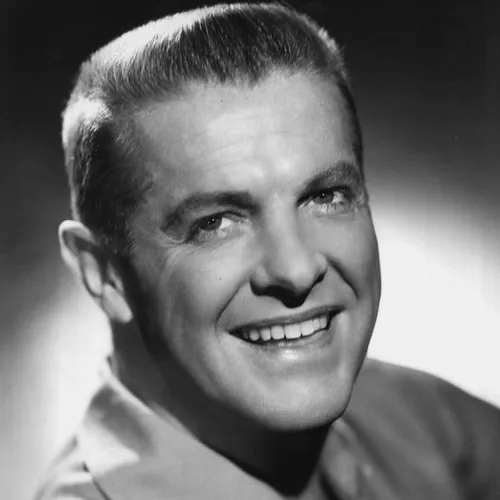
Robert Cummings was a versatile entertainer who made significant contributions to radio, television, and film during the mid-20th century. His dynamic career spanned multiple entertainment mediums, showcasing his remarkable talent for comedy, drama, and storytelling.
Early Life and Theatrical Beginnings
Born Charles Clarence Robert Orville Cummings on June 9, 1910, in Joplin, Missouri, he was the son of Dr. Charles Clarence Cummings, a prominent local physician. From an early age, Cummings demonstrated a passion for performance. He studied briefly at Carnegie Tech, where he became interested in acting and decided to pursue it as a professional career. Cummings's early theatrical journey was marked by determination and creativity. He studied at the American Academy of Dramatic Arts in New York, where he learned what he considered three fundamental acting principles: never anticipate, take pride in his profession, and trust in God. During this period, he also experimented with different stage names, including Bryce Hutchens, which he used in theatrical productions.
Radio and Early Entertainment Career
Cummings quickly became a prominent figure in radio broadcasting. He appeared in numerous radio programs, including Lux Radio Theatre, where he performed in productions like "You Can't Take it With You" (1939) and "Without Reservations" (1946). His versatility allowed him to participate in various radio genres, from dramatic anthologies like Suspense to comedy and variety shows. His radio work complemented his emerging film career. Throughout the late 1930s and 1940s, Cummings appeared in multiple radio adaptations of popular films and original productions. Programs like Four Star Playhouse, Screen Guild Theatre, and Cavalcade of America featured his performances, demonstrating his range as a radio performer.
Transition to Television and Film
As television emerged, Cummings seamlessly transitioned from radio to the new medium. His breakthrough came with The Bob Cummings Show (also known as Love That Bob), a popular sitcom that ran from 1955 to 1959. The show showcased his comedic talents, with Cummings playing a bachelor photographer in 1950s Los Angeles. His television success was punctuated by critical acclaim. In 1955, he won a Primetime Emmy Award for his performance in the television play Twelve Angry Men, where he played Juror Number Eight. This achievement highlighted his dramatic capabilities beyond comedy.
Later Career and Legacy
Throughout his later career, Cummings continued to explore various entertainment avenues. He appeared in television shows like My Living Doll and made occasional film appearances. His adaptability and charm made him a beloved figure in mid-20th-century entertainment. Cummings was also an aviation enthusiast, which often intersected with his professional life. He was an active pilot and served in the Civil Air Patrol during World War II, experiences that influenced some of his later roles.
Conclusion
Robert Cummings represented the quintessential mid-century entertainer - versatile, charming, and constantly evolving. His journey from stage to radio, film, and television exemplified the dynamic nature of American entertainment during a transformative era.
Works and Appearances
Radio
- Lux Radio Theatre: Multiple productions (1939-1950)
- Suspense: "Dead of the Night" (1944, 1947)
- Four Star Playhouse: Multiple episodes (1949)
- Cavalcade of America: Various productions (1950-1952)
Television
- The Bob Cummings Show (1955-1959): Lead role
- Twelve Angry Men (1954): Juror Number Eight
- My Living Doll (1964-1965): Lead role
- My Hero (1952-1953): Lead role
Film
- Kings Row (1942)
- Saboteur (1942)
- Devil and Miss Jones (1941)
- Beach Party (1963)
Theater
- Wayward Stork (Broadway, 1966)
Heard in