Richard Conte
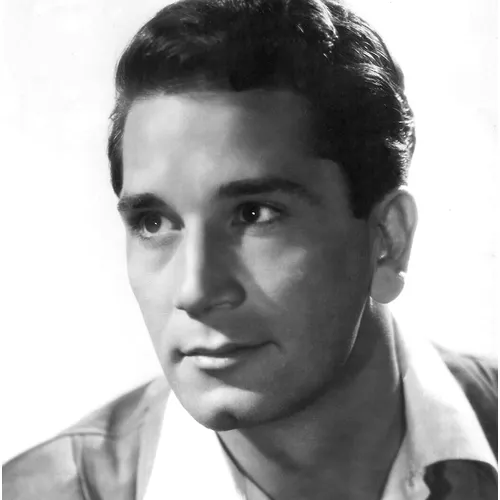
Richard Conte, born Nicholas Peter Conte on March 24, 1910, in Jersey City, New Jersey, was a versatile performer whose talents transcended the boundaries of stage, screen, and radio. Though primarily known for his film work, Conte's early career included notable radio performances that showcased his dynamic acting abilities and helped establish his reputation as a compelling performer.
Early Beginnings and Artistic Foundations
Conte's journey into entertainment began in a working-class Italian-American family. Before becoming a professional actor, he worked a variety of jobs including truck driver, messenger, shoe salesman, and singing waiter. His artistic potential was discovered during his employment at a Connecticut resort, where film director and actor spotted his talent and encouraged him to pursue stage work. With determination, Conte earned a scholarship to study at the American Theatre Wing in New York City, where he quickly became a standout actor. His early stage performances in Broadway productions like My Heart's in the Highlands (1939) and Night Music (1940) demonstrated his versatility and dramatic range.
Radio Performance and Artistic Versatility
Despite his growing film career, Conte maintained an active presence in radio broadcasting during the 1940s and early 1950s. His radio performances revealed another dimension of his artistic capabilities. In 1946, he appeared in two notable radio programs that highlighted his dramatic skills:
- Reader's Digest Radio Edition: Performed in Our Lady's Juggler
- Suspense: Featured in the episode "Win, Place and Murder"
In 1953, he also appeared on the Hollywood Star Playhouse in an episode called Blackout. These radio performances demonstrated Conte's ability to captivate audiences through sound alone, a challenging medium that required precise vocal control and emotional nuance.
Professional Evolution and Collaborative Spirit
Conte's radio work coincided with his burgeoning film career, showcasing his remarkable adaptability. During World War II, he served in the United States Army but was discharged due to eye trouble. This period of transition did not diminish his artistic momentum. His radio performances complemented his growing reputation in cinema, where he became known for portraying complex characters in film noir and crime dramas. The skills he developed in radio—precise timing, vocal expressiveness, and emotional depth—undoubtedly enhanced his on-screen performances.
Legacy and Lasting Impact
While Richard Conte is primarily remembered for his film roles, his radio performances represent an important chapter in his artistic journey. They illustrate the interconnected nature of mid-20th-century entertainment, where performers frequently moved between stage, radio, and cinema. Conte's ability to excel across multiple mediums reflects the versatility required of performers during the golden age of radio and early television. His radio work, though less documented than his film career, demonstrates his commitment to his craft and his capacity to engage audiences through pure performance.
Works and Appearances
Radio Performances
- Reader's Digest Radio Edition (1946): Our Lady's Juggler
- Suspense (1946): "Win, Place and Murder"
- Hollywood Star Playhouse (1953): Blackout
Film
- 13 Rue Madeleine (1943)
- Guadalcanal Diary (1943)
- The Godfather (1972)
Stage
- My Heart's in the Highlands (1939)
- Night Music (1940)
- Heavenly Express (1941)
Richard Conte passed away on April 15, 1975, leaving behind a rich legacy of performances that spanned radio, stage, and screen, embodying the dynamic spirit of mid-20th-century American entertainment